
Copper Hair Color: 16 Shades From Strawberry Blonde to Auburn, Matched to Your Skin Tone
Copper is the warm middle ground between blonde, brown and red: orange-based, but softer than a true red and brighter than auburn. It ranges from a pale strawberry blonde to a deep cinnamon brown, which is why almost anyone can find a copper that works. The two things that decide which one suits you are your skin’s undertone and how dark your hair is now, because that sets how much lightening the shade needs.
Below are 16 copper shades grouped from light to deep, plus dimensional and texture options, each with who it flatters and what it takes from your current color. If you are still deciding between color families, start with our hair color ideas.
Copper, Ginger, Auburn and Red: What Is the Difference?
| Name | Base tone | Looks like |
|---|---|---|
| Copper | Orange with some gold | A new penny; bright and metallic in sun |
| Ginger | Orange with more gold or yellow | A lighter, softer copper; the word is often used for natural red hair |
| Strawberry blonde | Blonde with a pink-orange wash | Blonde first, warm second |
| Auburn | Red-brown | Brown first, with a red glow |
| True red | Red with little orange | Cherry or crimson; cooler than copper |
| Burgundy | Red-violet | Wine; the coolest of the reds |
Colorists often use copper and ginger as overlapping names, so bring a photo to the salon instead of relying on the word. For the cooler, violet side of red, see our burgundy hair color guide.
Match Copper to Your Skin Tone
Check the veins on the inside of your wrist in daylight: mostly green suggests a warm undertone, mostly blue or purple suggests cool, and a mix suggests neutral. Then use the table as a starting point.
| Skin | Try | Go easy on |
|---|---|---|
| Fair, cool or pink undertone | Strawberry blonde, peach copper, soft copper with a gold gloss | Very bright orange copper, which can make redness in the skin stand out |
| Fair or light, warm undertone | True copper, honey copper, bright copper | Very pale strawberry, which can wash you out |
| Medium or olive | Cowboy copper, cinnamon copper, copper balayage | Light peachy coppers next to olive skin can look green-gray |
| Tan | Deep copper, cinnamon, copper highlights on brown | All-over pale copper |
| Deep | Auburn, cinnamon copper, copper highlights or balayage on dark hair | Very light copper all over, which needs heavy lightening |
Not sure about your proportions and features? Our face shape calculator helps with the cut; for color, eyebrows matter too: brows a shade or two deeper than the copper look most natural.
What It Takes From Your Current Color
| If your hair is… | Expect |
|---|---|
| Blonde (level 7 to 10) | Deposit only: a gloss or demi-permanent copper. Quickest and gentlest. |
| Light to medium brown (level 5 to 6) | Permanent color that lifts 1 to 2 levels while depositing copper. Usually one appointment. |
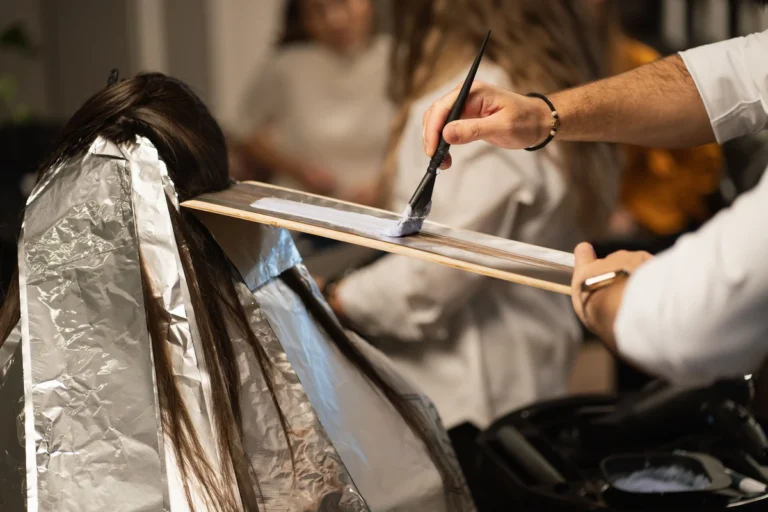
| Dark brown or black (level 1 to 4) | Lightener first, then a copper toner, often over two appointments to protect the hair. |
| Gray or mostly gray | Copper covers and blends gray well; very white hair can grab the color brighter than expected, so a deeper formula is often used. |
| Already colored or hennaed | Tell your colorist. Henna and box dye can react unpredictably with lightener. |
Lightening dark hair is where most damage happens, so if your ends are already dry or snapping, read our hair breakage causes and fixes first.
Light Coppers
1. Strawberry Blonde

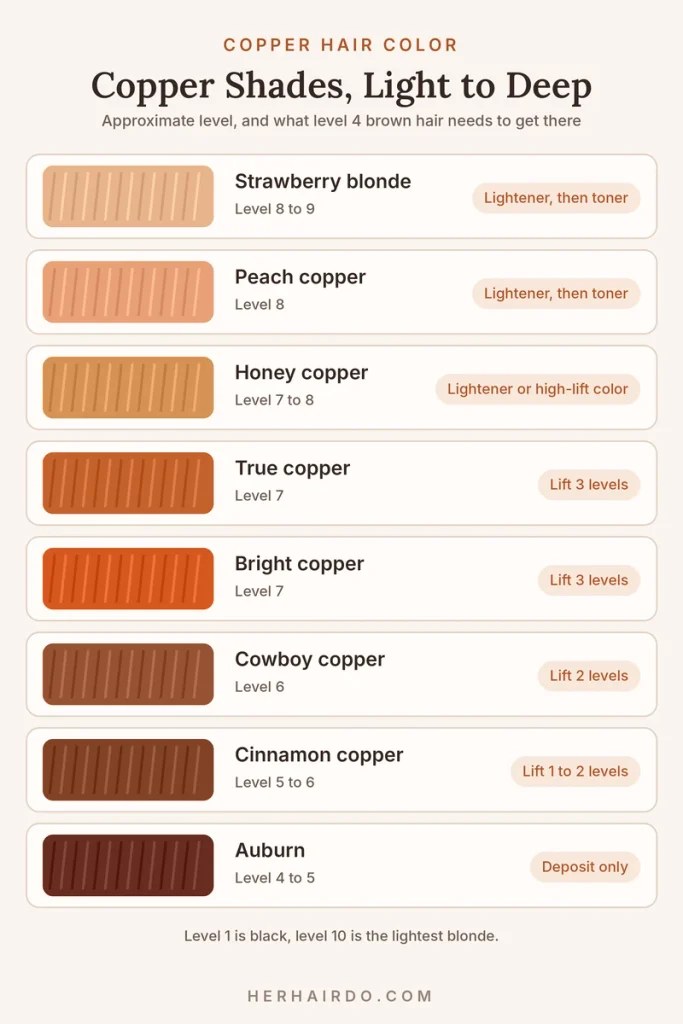
A blonde base washed with soft pink-orange warmth. It looks natural on people who were fair-haired as children and is the gentlest way to try copper if you are already blonde.
Flatters: fair skin with cool or neutral undertones; light eyes. Starting point: blonde hair needs only a gloss; brunettes need lightener and a toner.
2. Peach Copper
Copper softened with a pink-peach tone. It is less intense than true copper and reads warm without looking orange.
Flatters: fair to light skin with pink undertones. Starting point: level 8 or lighter; usually lightener and toner on brown hair.
3. Honey Copper
Copper blended with golden honey, so it looks like a warm blonde in some light and a copper in others. It fades gracefully toward gold rather than toward brass.
Flatters: light to medium warm skin. Starting point: level 7 to 8; high-lift color or lightener on brown hair.
Mid Coppers
4. True Copper

The classic new-penny shade: clear orange-gold with a metallic shine. It is the brightest natural-looking copper and the one most people picture when they ask for “copper hair.”
Flatters: fair to light skin with warm or neutral undertones; green, hazel or blue eyes. Starting point: about level 7; level 4 brown hair needs about 3 levels of lift.
5. Bright Copper

A more saturated, almost tangerine copper. It is bold and fades fastest, so plan on a gloss every 4 to 6 weeks.
Flatters: warm skin; anyone who wants copper to be noticed. Starting point: level 7; lightened hair holds it best.
6. Cowboy Copper
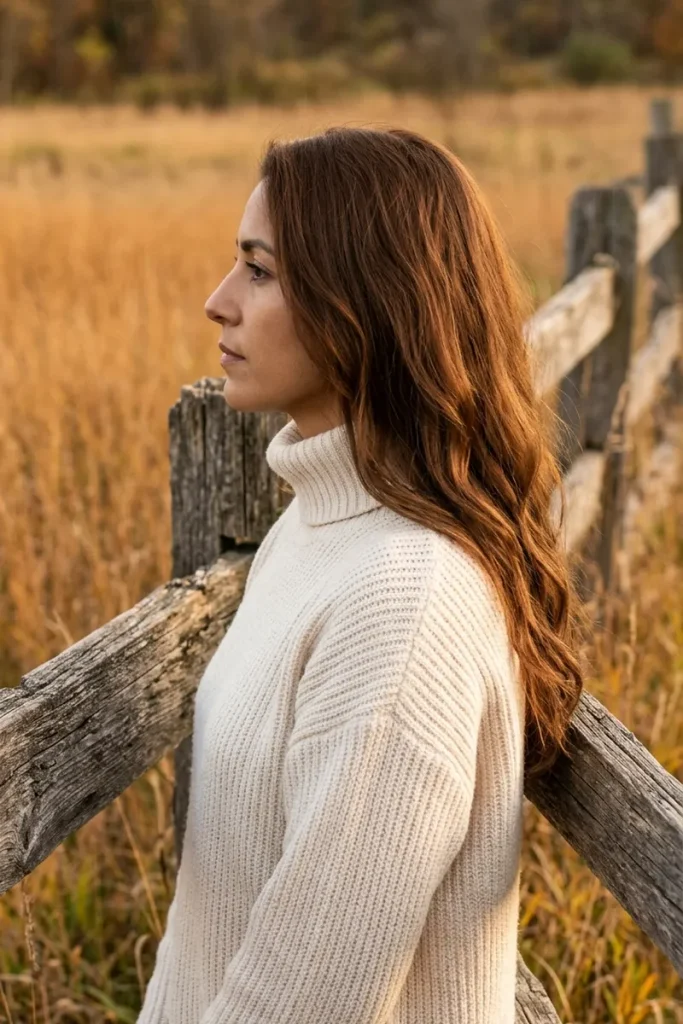
A brown-based copper, like an old leather saddle. It is the most wearable copper for brunettes because it needs little lightening and the regrowth line is soft.
Flatters: medium, olive and tan skin. Starting point: level 6; light and medium brown hair need 1 to 2 levels of lift at most.
7. Copper Gloss Over Light Brown
A demi-permanent copper glaze over natural light brown hair. It adds warmth and shine without changing the level, and fades out over 4 to 6 weeks with no regrowth line.
Flatters: most skin tones; first-time color. Starting point: light brown hair; no lift.
Deep Coppers
8. Cinnamon Copper

A deep, spicy copper-brown. It is rich in low light and glows copper in the sun, which makes it a good winter shade.
Flatters: medium, tan and deep skin. Starting point: level 5 to 6; little or no lift on brown hair.
9. Auburn
Brown first, with a red-copper glow. It is the most low-key copper and suits people who want warmth without looking like a redhead.
Flatters: olive, tan and deep skin; dark eyes. Starting point: level 4 to 5; deposit only on brown hair.
10. Copper Brown on Dark Hair
A permanent or demi-permanent copper-brown applied to dark hair without lightener. In shade the hair looks dark brown; in sun it shows a copper tint. It is the lowest-risk way for dark hair to try copper. For winter tones in general, see our winter hair color ideas.
Flatters: deep and tan skin; dark eyes. Starting point: dark brown hair; no lightener.
Dimensional Copper
11. Copper Balayage on Brunette
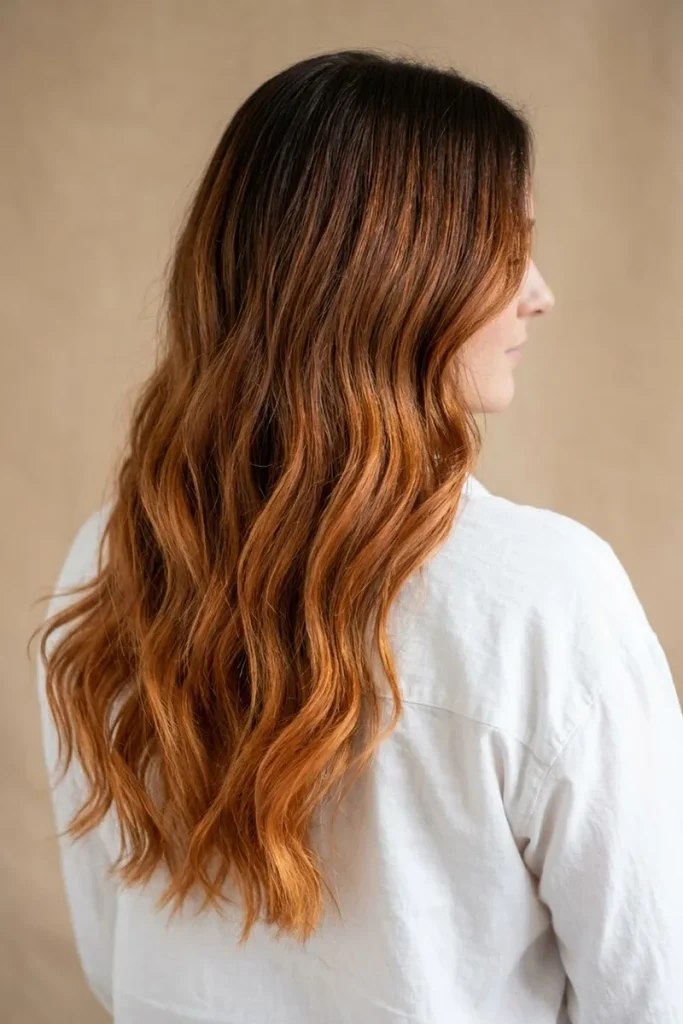
Hand-painted copper pieces on a brown base, brightest at the ends. Regrowth is soft, so touch-ups can be 3 to 4 months apart. Our balayage hair color ideas explain how balayage differs from foils.
Flatters: medium to tan skin; brunettes who want low upkeep. Starting point: brown hair; lightener on the painted pieces only.
12. Copper Highlights on Dark Hair
Fine foiled copper highlights through dark brown or black hair. They add warmth around the face without the commitment of all-over copper.
Flatters: deep and tan skin. Starting point: dark hair; lightener on the highlighted strands.
13. Copper Money Piece
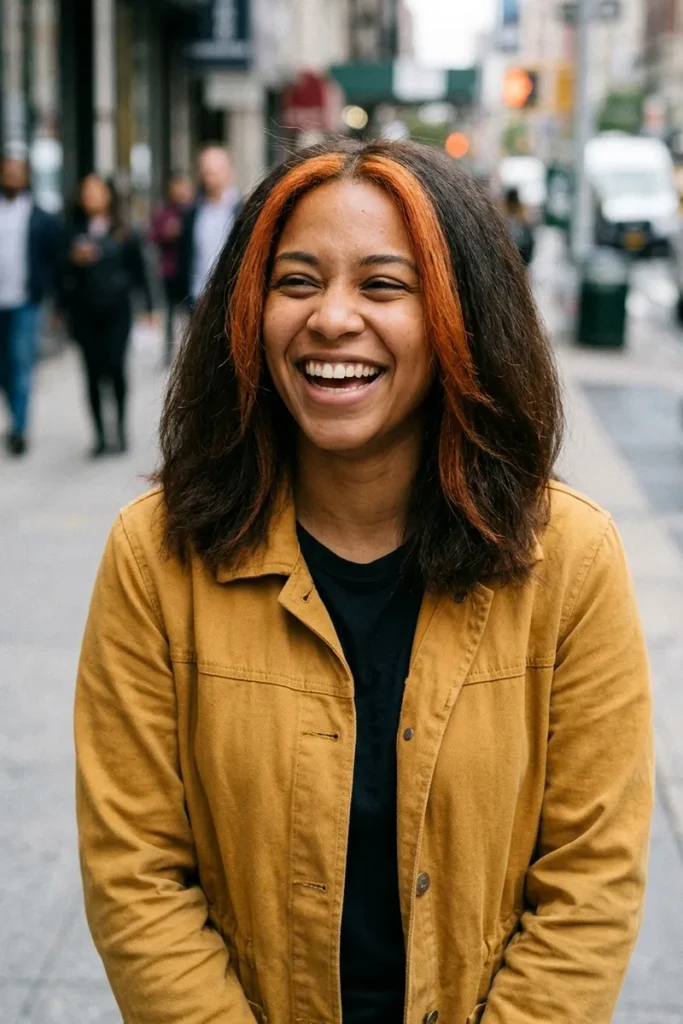
Two brighter copper sections framing the face, with the rest of the hair left natural or glossed copper. It is a small change with a big effect in photos.
Flatters: most skin tones; testing copper before going all over. Starting point: any color; only the front sections are lightened.
14. Copper Root Melt
Natural or deeper roots that blend into copper mid-lengths and ends. It grows out softly and is a good bridge if you are moving from brown to copper gradually.
Flatters: most skin tones. Starting point: brown hair; lightener on the lengths.
Copper for Curls and Gray
15. Curly Copper
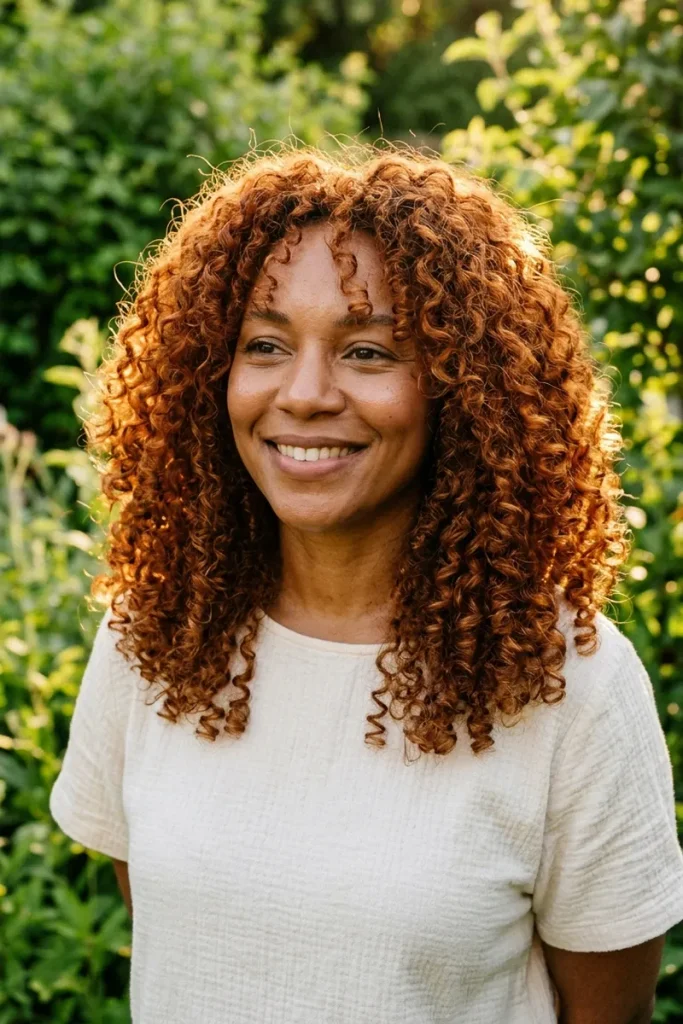
Copper looks especially rich on curls because every bend of the curl catches light. Curly hair is often more porous, so it takes color fast and fades fast; ask for a slightly deeper formula and deep condition weekly. Our guide to frizz and porosity explains why.
Flatters: all skin tones; any curl pattern. Starting point: depends on depth; ask for a curl-specific colorist.
16. Copper to Blend Gray

A soft copper or copper-blonde over mostly gray hair. Gray strands take the copper lighter than the darker strands, so the result looks naturally dimensional and regrowth blends instead of showing a hard line. See our gray hair cuts and care routine if you are thinking of going fully gray later.
Flatters: fair to medium skin; it looks softer than dark brown dye over gray. Starting point: gray or salt-and-pepper hair; usually deposit only.
How to Keep Copper From Fading
Red and copper tones fade faster than brown or blonde, so most of the work happens at home.
- Wait 2 to 3 days before the first wash after coloring.
- Wash with cool or lukewarm water and a sulfate-free shampoo, and wash less often if you can.
- Use a copper color-depositing conditioner once a week to top up the tone between appointments.
- Protect from heat and sun. Use a heat protectant before hot tools and a hat or UV spray outdoors. Our heat damage repair and prevention guide has the details.
- Book a gloss every 4 to 6 weeks to refresh shine and tone.
- Watch out for chlorine and hard water, which dull copper fast. Wet and condition your hair before swimming, and consider a shower filter.
Brows, Makeup and Clothes With Copper
Copper changes what looks right around it. Brows a shade or two deeper than the hair, in a soft warm brown, look the most natural; very dark or ash-toned brows can look harsh next to copper. Peach, terracotta and warm pink lipsticks sit well with copper, while blue-pink shades can clash. For clothes, olive, teal, navy, cream and camel make copper look brighter, and orange or bright red next to the face can compete with it.
Copper also shows dryness quickly because the shine is the point. In cold months, our winter hair care routine helps keep the ends glossy.
What to Ask Your Colorist
- Bring two or three photos of copper you like and one you do not. “Copper” means different things to different colorists.
- Say how dark your hair is now and what has been on it in the last two years, including box dye or henna.
- Ask how many appointments it will take and what the in-between stage will look like.
- Ask about upkeep: how often to gloss and which color-depositing conditioner suits your shade.
- If you have a lot of gray, ask whether the formula will cover it or blend it.
Coloring Copper at Home
Box copper is easiest on blonde or light brown hair; on dark hair it often turns brassy orange at the roots and dull at the ends. Whatever you use, follow the U.S. Food and Drug Administration’s hair dye safety tips: do a skin test 48 hours before each use, wear gloves, do not leave the dye on longer than the directions say, and never dye your eyebrows or eyelashes at home, which the FDA warns can injure the eyes. If your scalp itches or flakes after coloring, see our scalp care routine and stop using the product if a rash appears.
FAQ
Does copper hair suit everyone?
Almost. Very pale strawberry suits fair skin best, and deep cinnamon or auburn suits deeper skin best, so the trick is picking the right depth for your skin rather than avoiding copper.
Can I go copper without bleach?
Yes, if your hair is blonde or light to medium brown. Dark brown or black hair can get a copper-brown tint without lightener but needs lightening for a bright copper.
How long does copper hair color last?
Permanent copper usually needs a gloss or refresh every 4 to 6 weeks to stay bright; demi-permanent gloss fades out in about 4 to 6 weeks.
What is cowboy copper?
A brown-based copper, deeper and more muted than true copper. It is popular with brunettes because it needs little lightening.
Does copper cover gray hair?
Yes. Copper blends gray well, and gray strands often turn out slightly lighter than the rest, which gives natural-looking dimension.
Is copper the same as ginger?
They overlap. Ginger usually means a lighter, more golden copper, but colorists use both names loosely, so a photo is the safest way to ask.
Planning a cut to go with the new color? Our layered haircuts by length show how layers make copper look more dimensional, and our hair care tips cover the basics for colored hair.