Heat Damage: How to Prevent It and What Can Be Repaired
Heat protectant on wet hair does almost nothing — the water evaporates before the protectant can bond. That’s the kind of gap between “what everyone does” and “what actually works” that fills most heat-damage advice, and it’s why so many people follow every tip on a list and still end up with damaged hair.
The real issue is that prevention and repair aren’t the same problem. If your hair is already damaged, prevention tips alone won’t fix what’s happened — you need repair. If it isn’t damaged yet, heavy repair treatments are solving a problem you don’t have. Treating both like one generic checklist is why so much heat-damage advice doesn’t actually change anything.
How Heat Damage Happens: The Two Decisions Behind Every Heat-Damage Fix
1. Is your hair already damaged, or are you preventing damage? Split ends, breakage when you run your fingers through it, a rough or straw-like texture, and hair that won’t hold a curl or style the way it used to are signs of existing damage — you need repair-focused steps. If none of that is happening yet and you’re just regularly using heat tools, you’re in prevention territory, and the goal is stopping damage before it starts, not undoing something that hasn’t happened.
2. How often are you actually using heat? Daily heat styling needs a more aggressive prevention approach (protectant every time, stricter temperature limits) than occasional use does. Matching the intensity of your routine to how often you’re exposing your hair to heat — rather than applying the same rules regardless of frequency — is what keeps prevention from being either overkill or not enough.
Prevention: Stopping Damage Before It Starts
Apply protectant to damp hair, not soaking wet
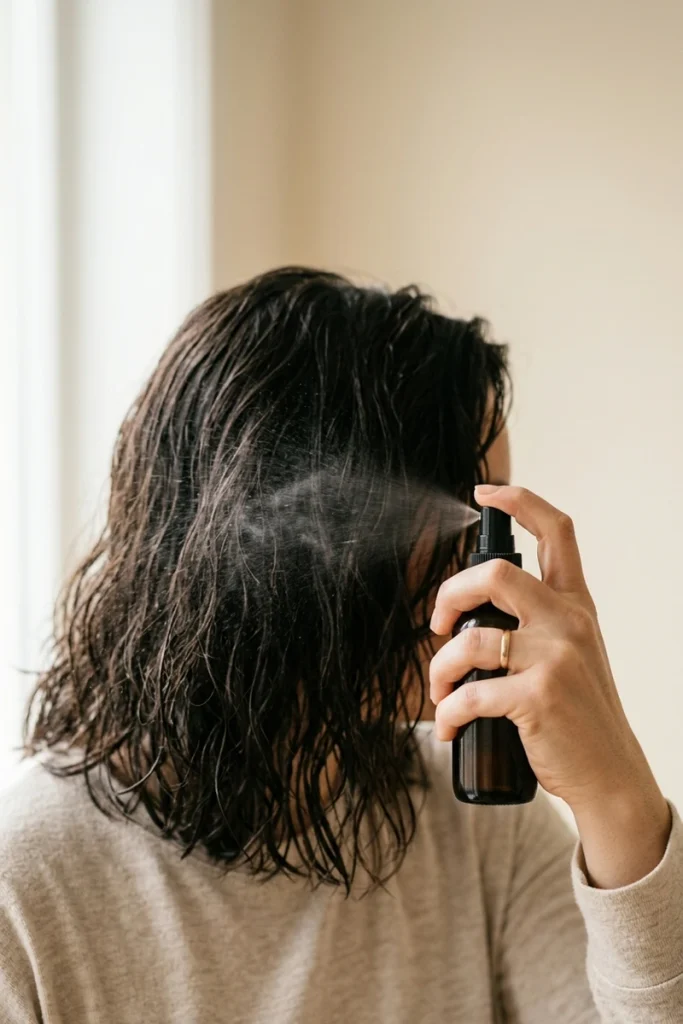
Heat protectant on wet hair does almost nothing — the water evaporates before the protectant can bond, so most of it just rinses out with the water instead of coating the hair shaft. Applying it to hair that’s been towel-dried to damp (not dripping) lets the product actually bond to the hair before you add heat. Do this if: you heat-style right after washing, which is when this mistake happens most.
Match temperature to your hair’s actual thickness
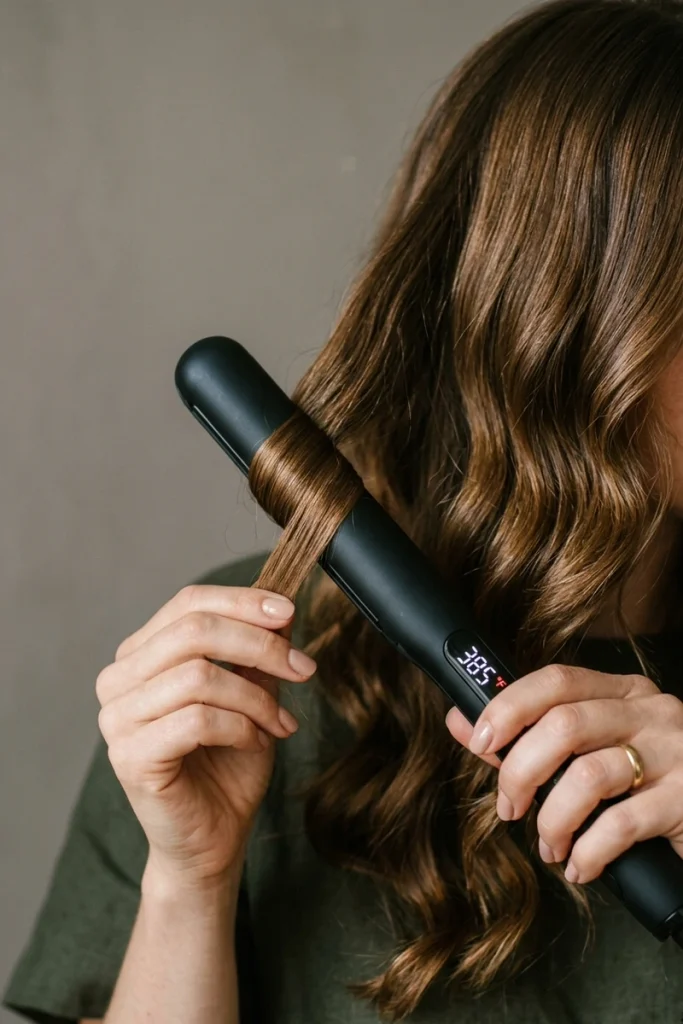
Fine hair styled at 400°F+ suffers real damage fast, since fine strands have less mass to absorb heat and reach damaging temperatures almost instantly. Keep fine or damaged hair at 300°F or below. Thick or coarse hair can generally tolerate higher heat (up to around 400°F) without the same risk, simply because there’s more hair mass buffering the heat. Color-treated hair should run cooler than its natural-hair equivalent regardless of thickness, since the color process has already weakened the hair’s protein structure. Do this if: you’re using the same “high heat gets a better result” setting on every hair type — it doesn’t.
Choose tools with even heat distribution
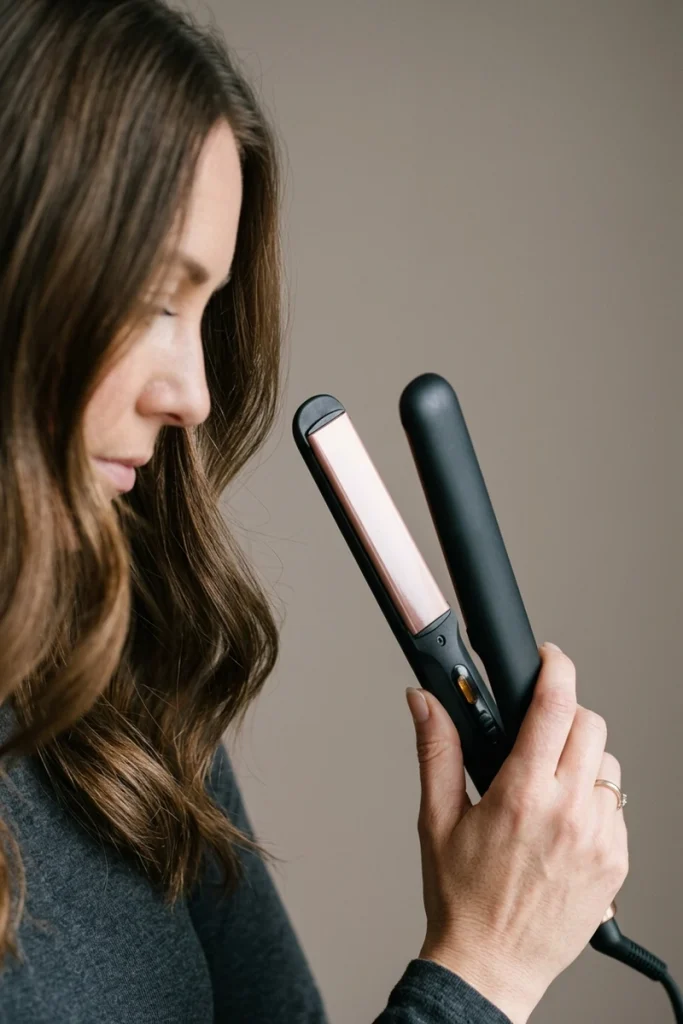
Ceramic and tourmaline plates distribute heat evenly across the surface, while bare metal plates develop hot spots that can scorch a section of hair even when the tool’s display shows a safe overall temperature. Ionic technology in dryers and some styling tools breaks water molecules down faster, cutting the time hair spends exposed to heat during drying. Do this if: you’re using an older or budget tool — the plate material matters as much as the temperature setting.
Set a real frequency limit, not a vague “not too often”
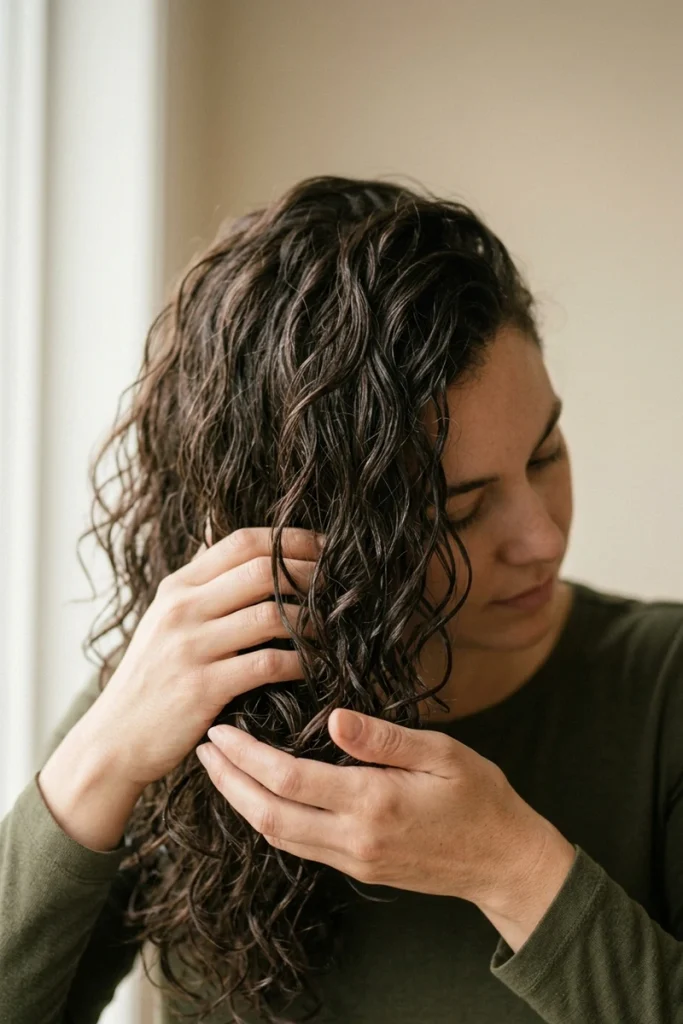
Heat styling more than 3-4 times a week without any heat-free days in between doesn’t give hair’s outer cuticle layer time to lie flat and recover between exposures, which compounds damage faster than the same total heat exposure spread out more. Air-drying with a lightweight mousse or cream, or using no-heat overnight methods (braids, foam rollers) on days off, keeps a style routine going without adding to the heat count. Winter adds more blow-drying, so our cold-weather hair routine explains how to dry hair fully without extra heat damage. Do this if: you can’t remember your last heat-free hair day.
Repair: Repairing and Managing Existing Damage That’s Already There
Protein treatment for breaking, moisture treatment for dry
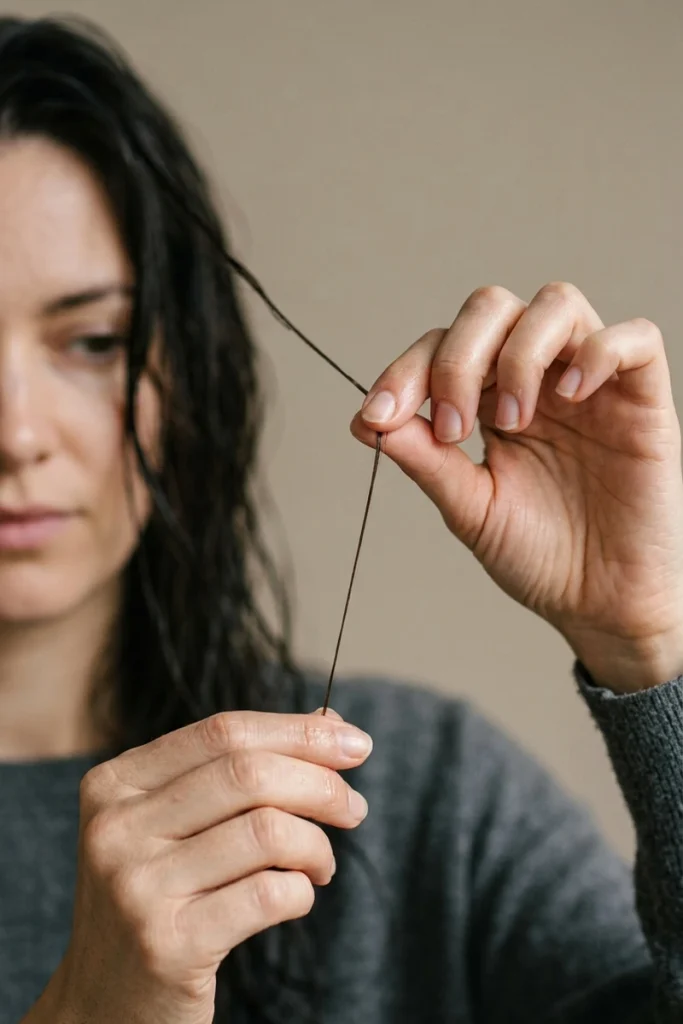
Protein and moisture damage look similar but need opposite fixes, and using the wrong one makes things worse, not better. Hair that stretches a lot when wet, feels gummy or mushy and doesn’t spring back is protein-deficient and needs a protein treatment to rebuild structural strength. Hair that feels rough, dull, and straw-like without much stretch or snap is moisture-deficient and needs a hydrating treatment instead — piling on more protein here makes already-stiff hair feel even stiffer and more brittle. Do this if: you’ve been deep-conditioning for weeks with no improvement — you may be treating the wrong deficiency.
Trim on a schedule once damage starts, don’t wait for a breaking point
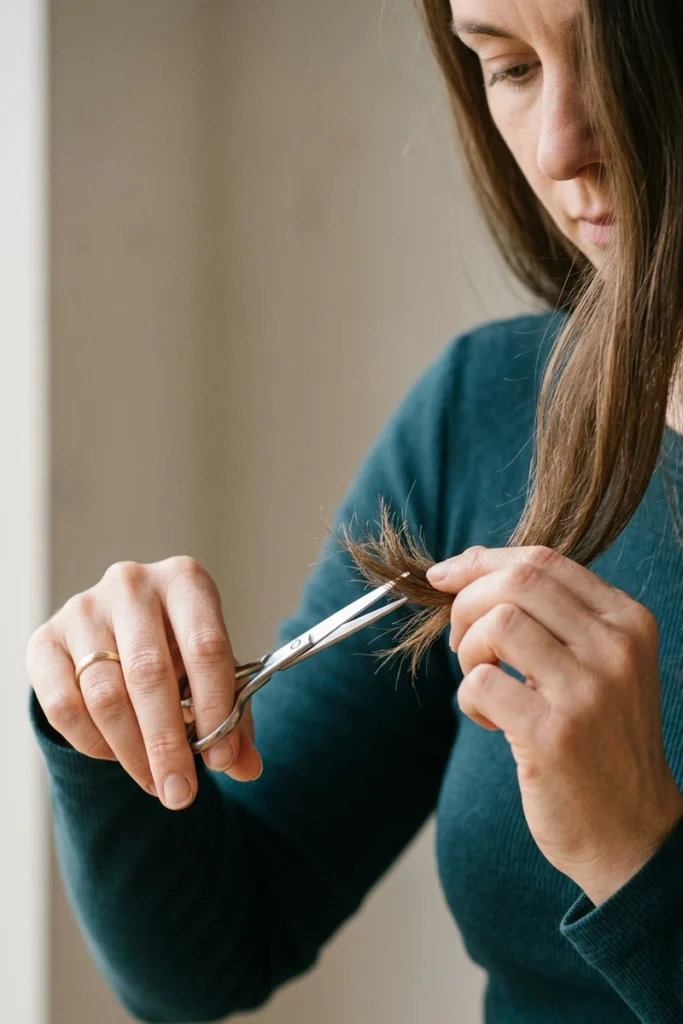
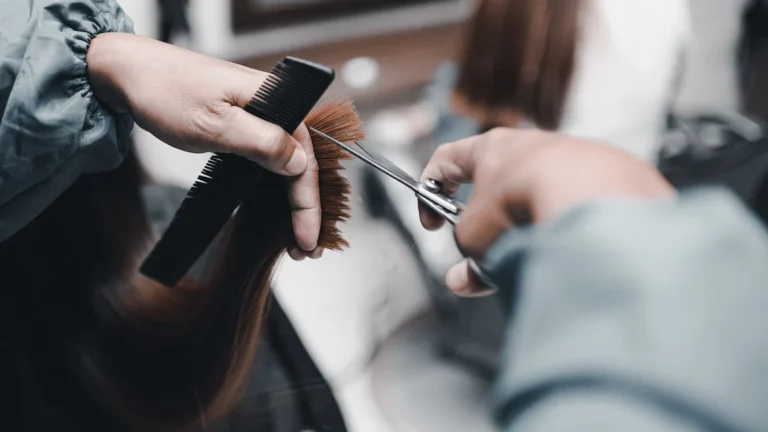
Split ends don’t heal — they only travel further up the hair shaft over time, splitting the hair further with every additional wash and style. Once splitting starts, trimming every 8-10 weeks keeps it from working its way up the strand, rather than waiting until damage is severe enough to need a dramatic cut. Do this if: you’ve been putting off a trim hoping the ends will “fix themselves” — they won’t.
Deep-condition on a real protocol, not randomly

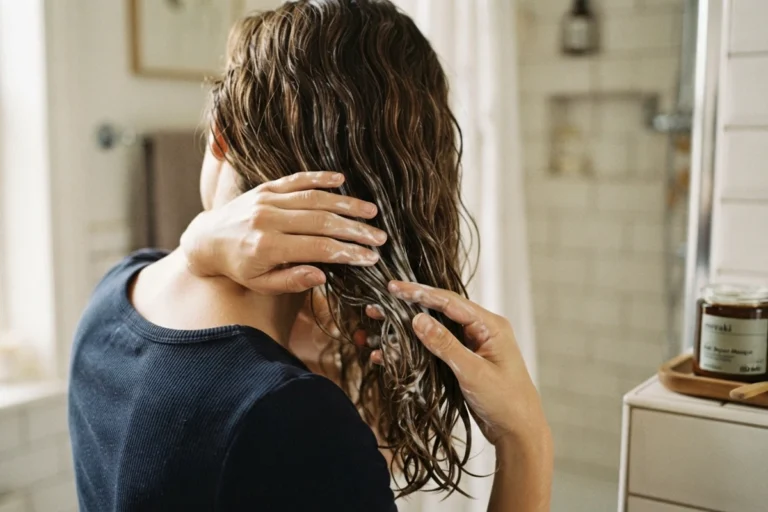
A weekly deep-conditioning treatment, left on for the time the product specifies (usually 15-30 minutes, sometimes with heat from a cap or towel to help it penetrate), does more for damaged hair than the same product used as a rinse-out conditioner every wash. Leave-in treatments applied to damp hair afterward help seal in what the deep treatment added. Do this if: you own a deep conditioner but only use it “sometimes” — consistency matters more than the specific product.
Know what makes heat damage worse
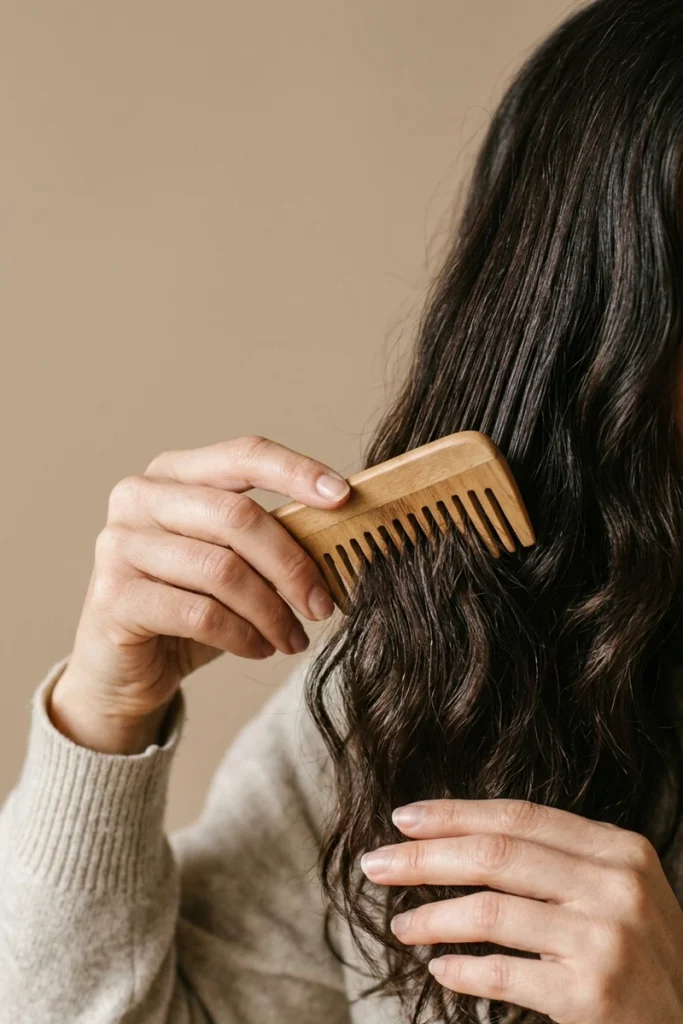
Brushing damaged hair while it’s fully wet (when it’s at its weakest and most stretch-prone) causes more breakage than brushing it damp or dry. Skipping heat protectant on damaged hair “since it’s already damaged anyway” compounds existing damage instead of at least slowing further harm. Over-washing damaged hair strips what little natural oil is helping hold it together. Do this if: you’re doing repair steps but still seeing damage — check whether one of these habits is undoing the work.
Save This: The Heat Damage Checklist
- ✓ Protectant on damp hair, not soaking wet
- ✓ Match temperature to hair type — fine hair ≤300°F, thick/coarse up to 400°F
- ✓ Ceramic or tourmaline tools over bare metal plates
- ✓ Heat-free days between styling sessions, 3-4x/week max
- ✓ Protein treatment for snapping/breaking hair, moisture treatment for dry/dull
- ✓ Trim every 8-10 weeks once splitting starts — don’t wait for a big chop
- ✓ Deep-condition weekly with real processing time, not a quick rinse
- ✓ Never brush fully-wet hair, damaged or not
FAQ
Can heat-damaged hair actually be repaired, or does it just have to grow out?
Existing split or broken hair can’t be structurally rebuilt — no treatment reverses a split end, which is why trimming matters. But the hair between damaged points can be strengthened and made healthier-looking with protein and moisture treatments, so “repair” mostly means improving what’s left and prevention going forward, not undoing what’s already split.
What temperature is actually safe for daily styling?
There’s no single safe number — it depends on hair thickness and how often you’re styling. Fine or fragile hair styled daily should stay at 300°F or below. Thick, coarse, or resistant hair can typically handle up to 350-400°F even with frequent use. The more relevant rule is pairing whatever temperature you use with a genuine heat protectant and giving hair heat-free days.
How do I know if I need a protein treatment or a moisture treatment?
Do a simple stretch test on a strand of wet hair: if it stretches a lot, feels gummy and doesn’t spring back, it likely needs protein. If it barely stretches and snaps quickly with a dry, brittle feel, it likely needs moisture. When in doubt, moisture treatments are the safer default, since over-doing protein on hair that doesn’t need it causes its own set of problems.
Does air-drying actually prevent damage, or is that overstated?
It genuinely helps — skipping heat entirely removes that exposure completely, which is more effective than any protectant or technique used with heat. The trade-off is styling control and time, which is why the realistic goal for most people is fewer heat days per week rather than eliminating heat styling altogether.
Is heat damage reversible with just better products, or does it need professional help?
At-home protein and moisture treatments handle mild to moderate damage effectively. Severe damage — hair that’s gummy when wet, breaking in large amounts, or with extensive splitting — usually needs a professional trim to remove the worst of it before at-home treatments can do much good, since treatments can’t rebuild hair that’s already structurally compromised.
Do heat protectant sprays actually work, or is it marketing?
They genuinely reduce damage when applied correctly (to damp, not wet, hair, evenly through the lengths) by creating a barrier that reduces direct heat transfer to the hair shaft and helps retain moisture during styling. They don’t make hair heat-proof — a protectant reduces damage, it doesn’t eliminate it, so temperature limits and frequency still matter even with a good protectant.
Bottom Line
Prevention and repair solve different problems, and using one approach for both is why heat-damage advice so often doesn’t work — figure out which one you actually need before adding steps. If breakage is showing up for reasons beyond heat styling specifically, our Hair Breakage: Causes and Fixes guide covers the broader picture, our Scalp Care Routine guide covers how to keep your scalp healthy between washes specifically, and our general Hair Care Tips guide covers the daily habits that support healthy hair overall.