Frizz and Humidity Control Based on Your Hair’s Porosity
Most frizz advice hands you the same three products regardless of your hair — a smoothing serum, an anti-humidity spray, a microfiber towel — and wonders why it works for your friend and not for you. When it comes to frizzy hair in humidity, the missing variable isn’t the weather. It’s porosity: how easily your hair’s cuticle lets moisture in and out. Low-porosity hair and high-porosity hair frizz for opposite reasons in the exact same humid room, and the fix that calms one will make the other worse.
Before You Start: The Two Decisions Behind Every Frizz Fix
- Run the quick porosity test (below) before buying anything — the right routine depends entirely on this, not on curl pattern or hair color.
- Rule out damage-driven frizz first. If your frizz is concentrated at the ends or came on suddenly after heat styling or color, that’s structural damage, not a porosity/humidity issue — see our Heat Damage guide instead.
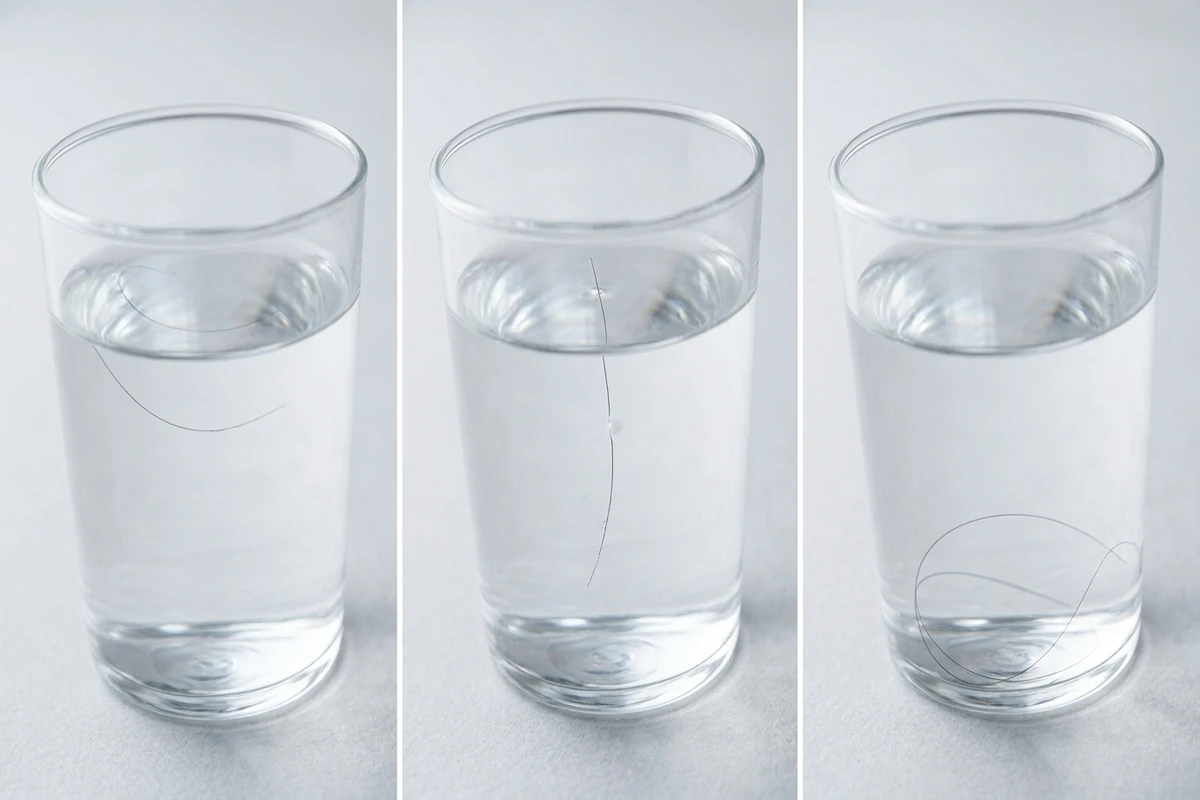
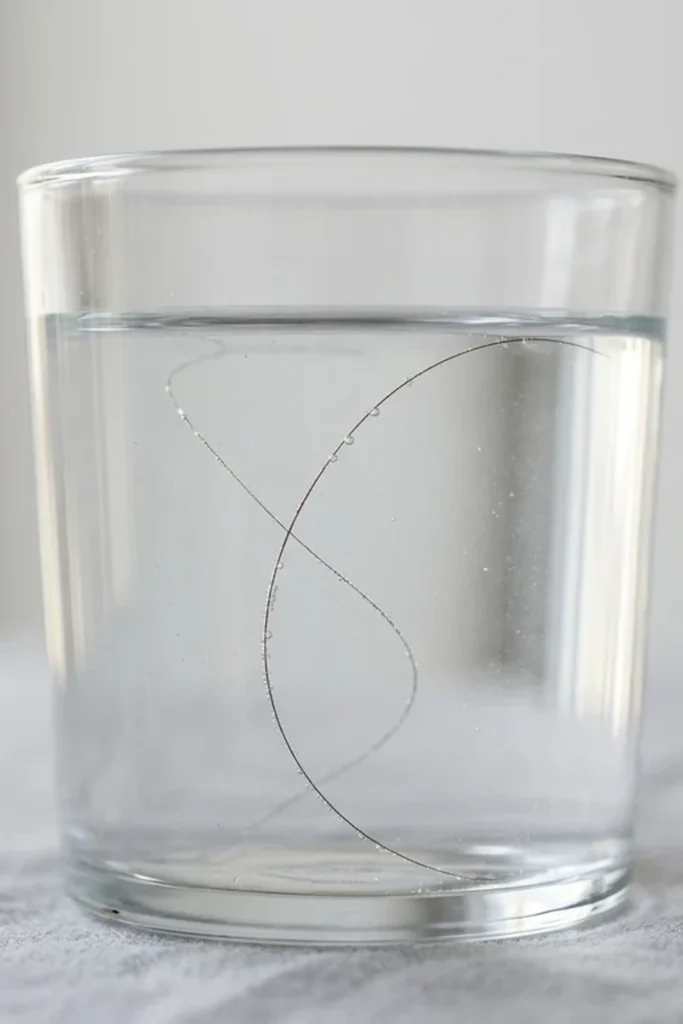
The strand test: Drop a clean strand of hair (no product) into a glass of water.
- Floats for several minutes → low porosity
- Sinks slowly, after a minute or so → medium/normal porosity
- Sinks almost immediately → high porosity
Low-Porosity Hair: The Cuticle Stays Shut
Low-porosity hair has tightly overlapping cuticle scales, so moisture struggles to get in — but once humidity forces water vapor against that closed cuticle, it sits on the surface instead of absorbing, which is what reads as frizz and roughness rather than limp flatness.
Use Lightweight, Water-Based Leave-Ins Only
Heavy creams and butters sit on top of a cuticle that’s already resistant to absorption, building up rather than sinking in — the buildup itself becomes a second source of frizz. Water-based leave-in sprays penetrate before the cuticle has a chance to shut them out.
Best for: Anyone whose hair feels coated or greasy within a day of using rich products.
Apply Heat to Open the Cuticle Before Product
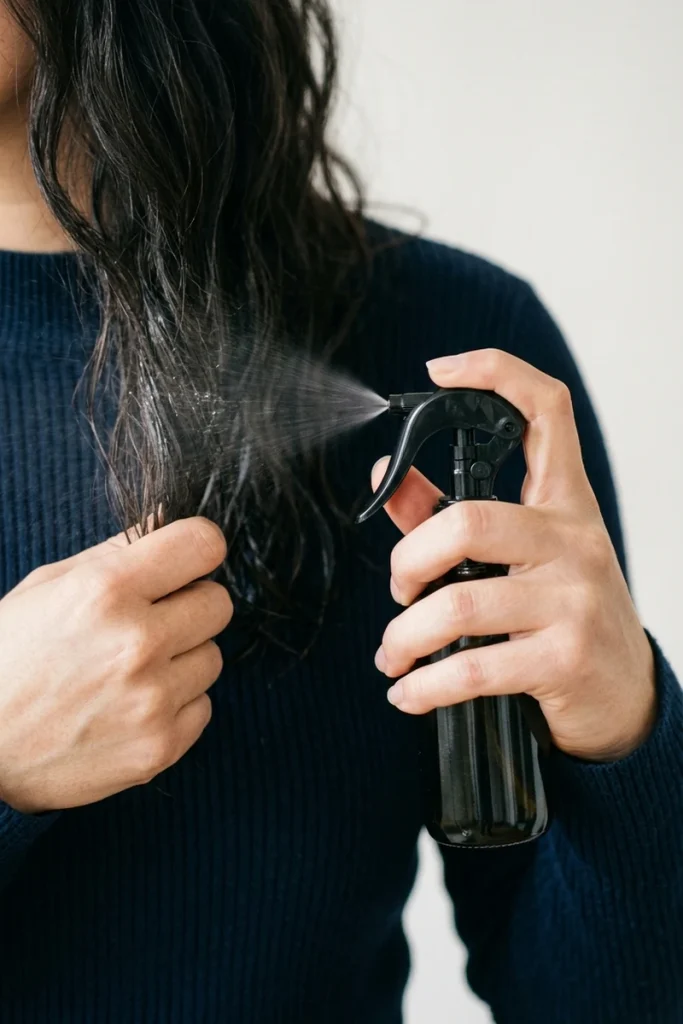
A few minutes under a warm (not hot) hooded dryer or a warm towel wrap after applying product genuinely opens the cuticle layer temporarily, letting the product absorb instead of sitting on top.
Best for: Wash days when you have 10-15 extra minutes and want product to actually work instead of just sitting there.

Clarify Weekly, Not Just When It Looks Dull
Low-porosity hair holds onto product residue longer because it doesn’t absorb and shed it the way high-porosity hair does. A weekly clarifying shampoo prevents the slow buildup that shows up as frizz and dullness by the end of the week.
Best for: Hair that looks fine on wash day but visibly frizzes and dulls by day 3-4.
Medium/Normal-Porosity Hair: The Most Forgiving, Not Frizz-Free
Medium-porosity hair absorbs and retains moisture at a reasonably balanced rate — it’s the least likely to need porosity-specific correction, but that doesn’t mean generic anti-frizz advice covers everything. The real risk here is over-correcting with routines built for the other two types.
Match Product Weight to Season, Not a Fixed Routine
Because this hair type absorbs moisture reasonably well, it also picks up humidity from the air more directly than low-porosity hair. A lightweight gel-cream in humid months and a slightly richer cream in dry months prevents both over-buildup and under-protection.
Best for: Anyone who finds their routine “stops working” seasonally rather than daily.
Seal with Oil After Leave-In, Not Instead of It
Skipping straight to oil without a water-based leave-in first means sealing in whatever moisture is already there — which, on a dry day, isn’t much. Layering leave-in first, then a light oil to seal, is what actually locks out humidity rather than just adding shine.
Best for: Frizz that shows up specifically on humid days despite an otherwise-working routine.

Refresh Instead of Reapplying Full Product
A light water-and-leave-in mix on day 2-3 revives the existing style without the buildup of restarting the full product routine daily — medium porosity holds style well enough that a full redo usually isn’t necessary.
Best for: Second and third-day hair that’s gone frizzy but isn’t actually dirty.
High-Porosity Hair: Moisture In, Moisture Out, Fast
High-porosity hair has raised or gapped cuticle scales, so it absorbs humidity from the air almost instantly — and just as quickly loses its own internal moisture, which is why it frizzes the fastest and driest of the three types.
Seal Every Time, No Exceptions
Because the cuticle doesn’t hold moisture on its own, skipping a sealing oil or butter after leave-in means whatever moisture went in evaporates or gets pushed back out by humidity within hours.
Best for: Hair that frizzes within an hour or two of leaving the house, even right after washing.
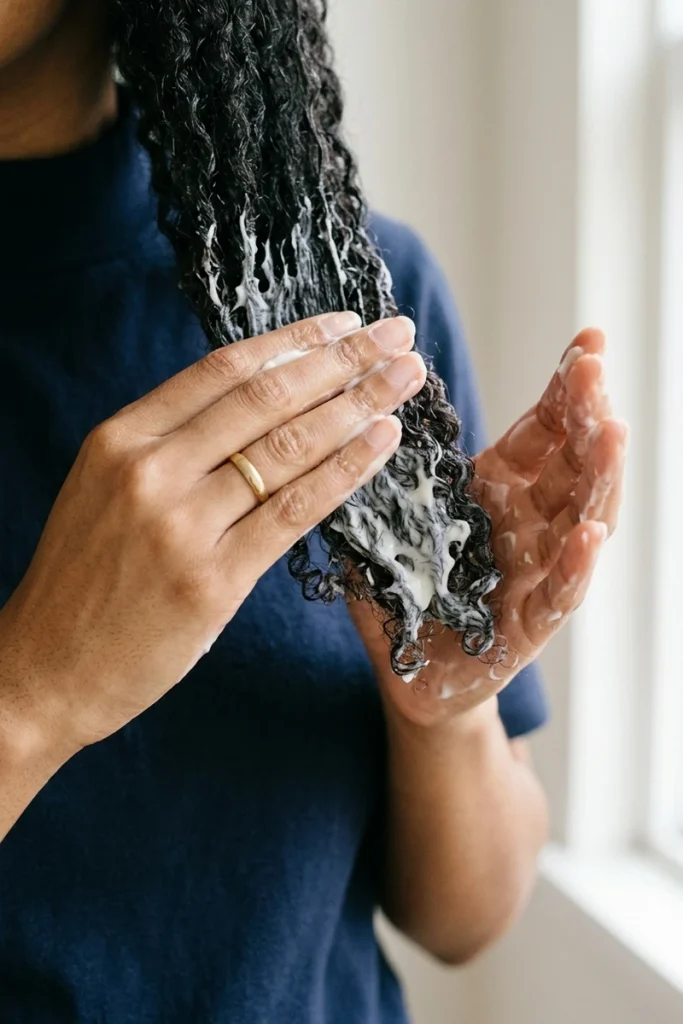
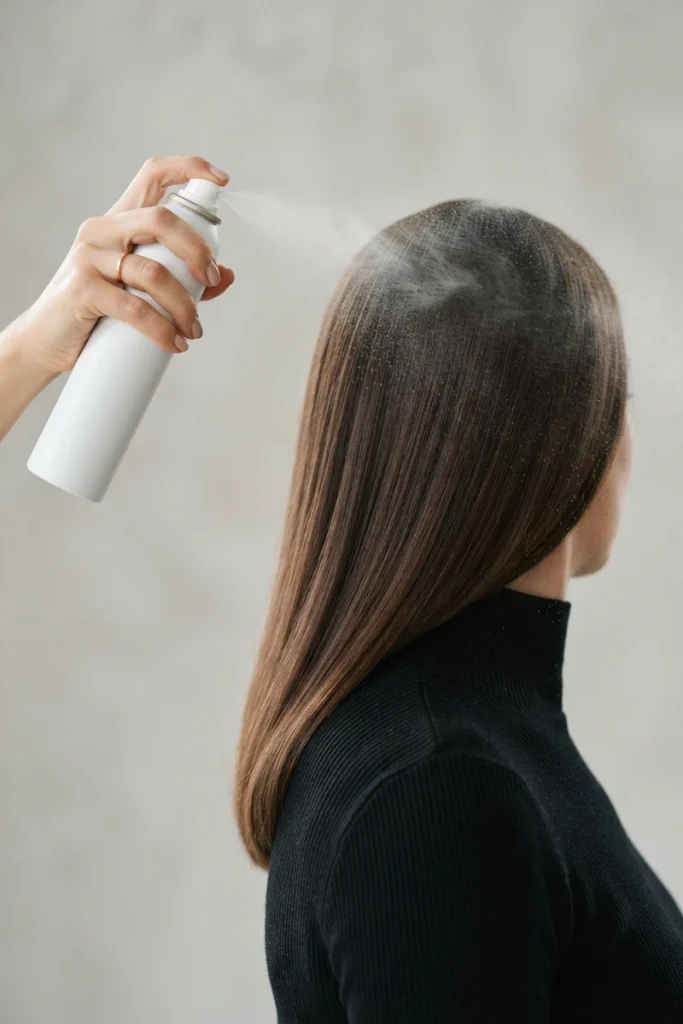
Use Anti-Humidity Spray as the Final Step, Not the First
Anti-humidity products work by creating a barrier — applying one before moisturizing traps dryness underneath it. The order matters more than the product for this porosity type: moisturize, seal, then barrier-spray last.
Best for: Anyone who’s tried anti-humidity spray and found it “didn’t work” — the issue is usually sequence, not the product.
Protein Treatments Matter More Here Than Elsewhere
Raised cuticles are often a structural, not just cosmetic, issue — occasional protein treatments help temporarily smooth the cuticle layer itself, which reduces how much surface area is exposed to humidity in the first place.
Best for: High-porosity hair that also feels rough or straw-like to the touch, not just visually frizzy.
Quick Reference: Porosity → Routine at a Glance
| Porosity | Strand Test Result | Product Weight | Key Rule |
|---|---|---|---|
| Low | Floats | Lightweight, water-based | Apply gentle heat before product |
| Medium | Sinks slowly | Seasonal (light/medium) | Layer leave-in before oil, don’t skip either |
| High | Sinks fast | Rich, sealed every time | Anti-humidity spray goes last, not first |
FAQ
Can my porosity change over time?
Yes — heat styling, coloring, and chemical treatments raise the cuticle and increase porosity even if your natural hair started lower. Re-test after any major chemical service.
Does curl pattern affect which group I’m in?
Not directly. Straight, wavy, curly, and coily hair all exist across all three porosity levels — porosity is about the cuticle, not the curl shape.
Why does my anti-humidity spray “stop working” halfway through the day?
Most anti-humidity sprays create a surface barrier that wears down with touching, wind, and time — for high-porosity hair especially, a light midday reapplication (not a full reapply) usually fixes this.
Is oil enough on its own for high-porosity hair?
No — oil seals moisture in but doesn’t add it. Skipping the water-based leave-in step and going straight to oil on high-porosity hair seals in dryness, not hydration.
Can I be low-porosity in some sections and high in others?
Yes, especially with color-treated hair — bleached or heavily colored sections often test higher-porosity than natural regrowth. Test a strand from each section separately if you’ve colored recently.
How often should I clarify if I’m not sure of my porosity?
Once every 1-2 weeks is a safe default regardless of porosity; low-porosity hair may need it weekly if buildup is a recurring issue (see above).
Bottom Line
Frizz isn’t one problem with one fix — it’s your hair’s porosity meeting humidity, and the routine that calms one porosity type will actively work against another. Run the strand test before changing anything, then follow the routine that matches what your cuticle is actually doing, not what worked for the last person’s hair. For structural, damage-driven frizz rather than humidity-driven frizz, see our Heat Damage: Repair and Prevention guide, and pair this routine with a consistent Scalp Care Routine since scalp oil production also affects how moisture moves through hair.