Hair Care Tips by Hair Type, Not One Routine for Everyone
Most “hair care tips” articles read the same no matter who’s reading them: wash with lukewarm water, brush gently, get regular trims, use a heat protectant. None of that is wrong, but it’s also not useful on its own — a person with fine, oily, straight hair and a person with dry, coily, color-treated hair need almost opposite routines, and a flat list of ten universal rules can’t tell them apart.
This guide is organized around the three things that actually decide what your hair needs: your hair type and texture, the specific concern you’re dealing with day to day, and the way you actually style your hair. Find the section that matches your situation first — then use the tips inside it. If more than one applies to you (say, you have curly hair and it’s color-treated), read both sections; they’re meant to be combined, not chosen between.
For a closer look at two specific areas, our Scalp Care Routine guide breaks down the exact cleanse-treat-protect steps for your scalp type, and our Heat Damage: Repair and Prevention guide covers whether you need prevention or repair.
Group 1 — Matched to Your Hair Type
1. Straight Hair
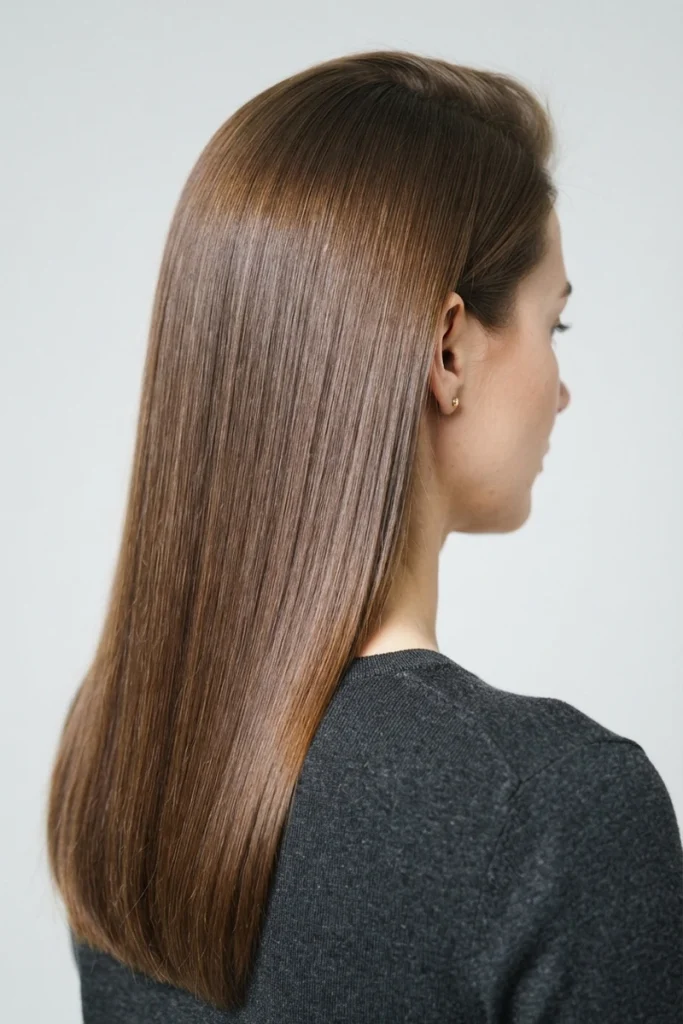
Straight hair produces natural oils that travel down the hair shaft quickly, which is why it can look flat or greasy at the roots faster than other textures. Wash with a lightweight, volumizing shampoo and apply conditioner only from mid-length to ends — putting conditioner on the roots is the single most common cause of limp, weighed-down straight hair. Dry shampoo at the roots between washes buys an extra day without needing a full wash.
2. Wavy Hair

Wavy hair sits in an awkward middle ground — it’s prone to frizz like curly hair but can go flat and lose its wave pattern if it’s weighed down like straight hair. Scrunch in a lightweight curl cream or mousse on damp hair rather than brushing it through, and let it air-dry or diffuse on low heat. Brushing dry wavy hair breaks up the wave pattern and creates frizz instead of definition.
3. Curly Hair
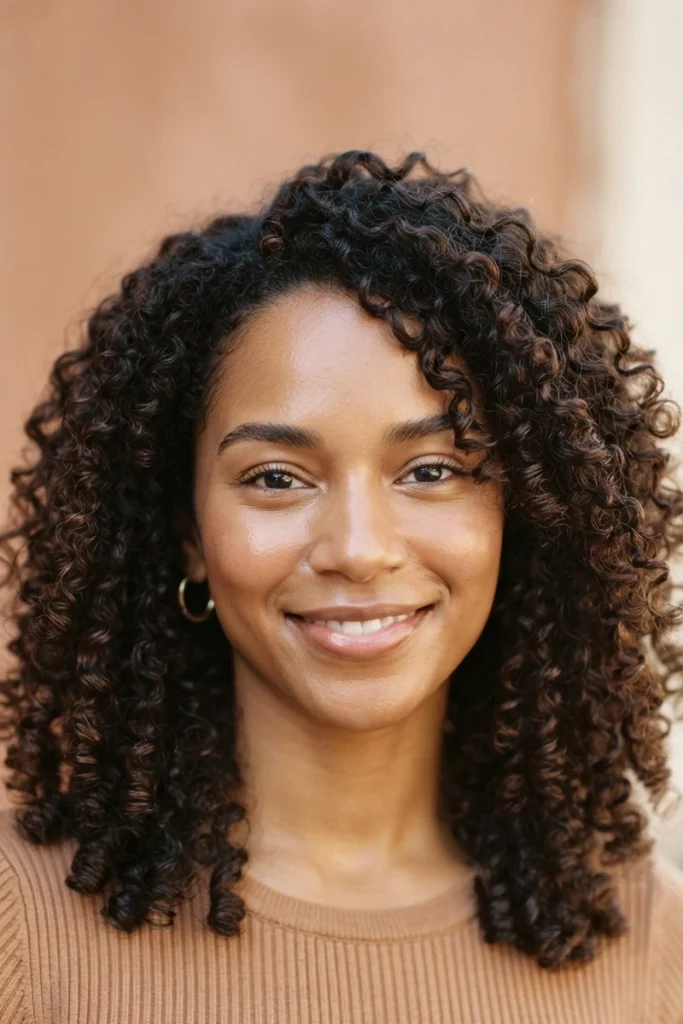
Curly hair has fewer natural oils reaching the ends because of the shape of the strand, so it’s naturally drier than straighter textures and needs richer, more consistent moisture. Detangle only when hair is wet and coated in conditioner, working from the ends upward in small sections. Skip daily washing — over-washing strips the moisture curls depend on — and stretch washes to two or three times a week with co-washing or a gentle sulfate-free cleanser in between if needed.
4. Coily or Kinky Hair

Coily and kinky hair has the tightest curl pattern and is the most fragile of all textures, since the many bends in each strand make it easier to snap under tension. Moisturize in layers — water or a water-based leave-in first, then a cream, then an oil to seal it in — since a single product usually isn’t enough to keep this texture hydrated day to day. Protective styles help retain length, but they need to stay loose enough that you don’t feel constant pulling at the scalp; tension is the main cause of breakage and edge thinning in this hair type.
Group 2 — Matched to Your Main Concern
5. Dryness and Frizz

If your hair feels rough, looks dull, or frizzes up the moment it meets humidity, the underlying issue is usually moisture escaping through a raised or damaged cuticle. Add a weekly deep conditioning treatment left on for at least fifteen minutes, and finish every wash with a cool water rinse to help the cuticle lie flatter. Swap any alcohol-heavy styling products for ones listing glycerin, shea butter, or hyaluronic acid near the top of the ingredient list. In cold months, see our guide to winter hair care for what to change as the air gets drier.
6. Breakage and Thinning
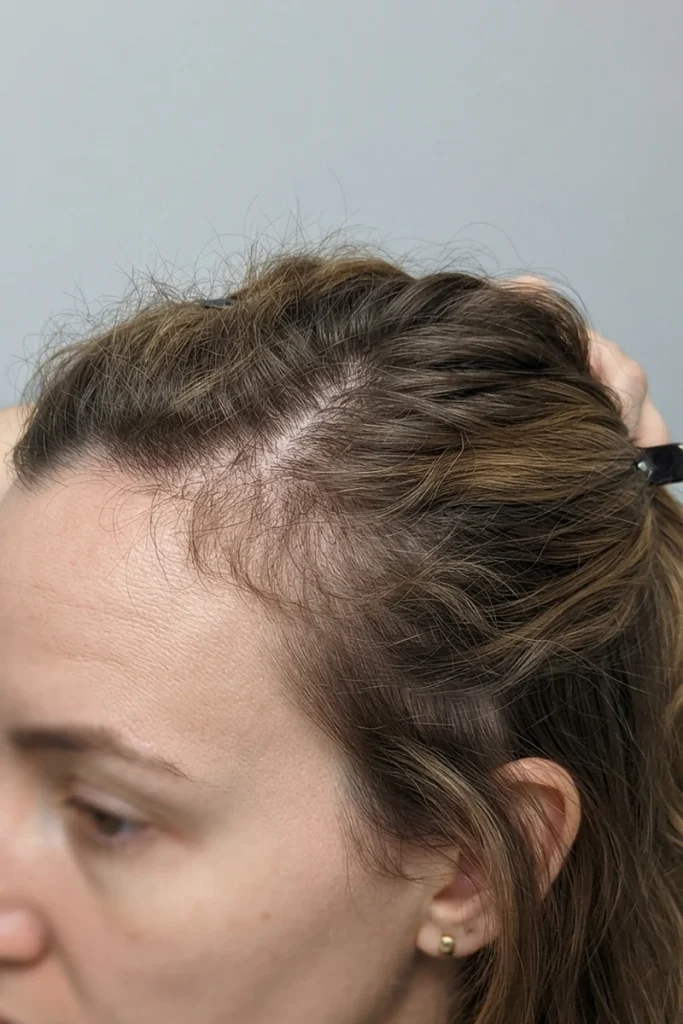
Breakage shows up as short, wiry pieces along the hairline or scattered through the length, and it’s different from shedding — shedding is hair falling out with the root attached, breakage is the strand itself snapping. Cut back on high-heat styling and tight hairstyles worn back-to-back, and introduce a bond-building or protein treatment every few weeks if your hair is also color-treated or chemically processed, since that combination is the most common cause of breakage we see in the chair. If thinning is coming from the scalp rather than mid-strand snapping, that’s worth a conversation with a dermatologist rather than a styling fix.
For a full breakdown of exactly what’s causing your breakage and the specific fix that matches it, see our complete guide: Hair Breakage: The Real Causes and What Actually Stops It.
7. Oily Roots and Limp Length

Oily roots paired with limp, flat length usually means the scalp is overproducing oil while the ends are being weighed down by product buildup, heavy conditioners applied too high, or hard water mineral deposits. Clarify with a deeper-cleansing shampoo every one to two weeks to reset buildup, and apply conditioner strictly below the ears. Over-washing to fight oiliness usually backfires — it strips the scalp, which signals it to produce even more oil to compensate.
8. Color-Treated Hair Maintenance
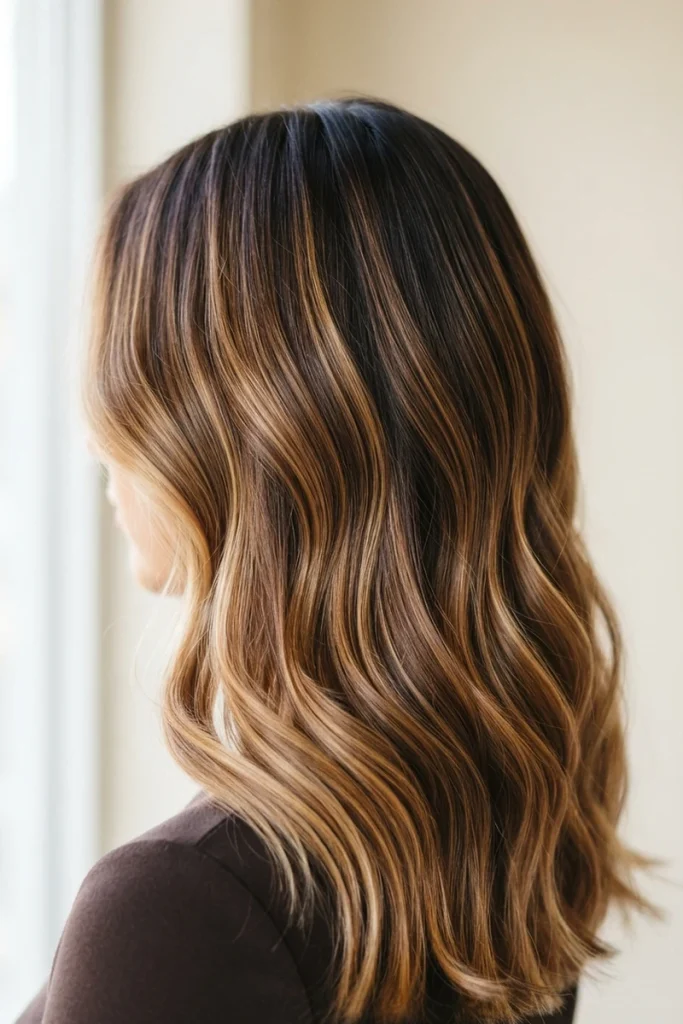
Color-treated hair — whether it’s a full color change or highlights — has already been through a chemical process that opens the cuticle, so it starts drier and more porous than untreated hair by default. Use a sulfate-free, color-safe shampoo, wash in cooler water, and space out washes as much as your scalp allows, since hot water and frequent washing are the two fastest ways to fade color and dry out the strand. If you went with any of the cooler-toned shades from our hair color ideas guide, a purple or blue toning shampoo once a week will keep brassiness from creeping in between salon visits.
Group 3 — Matched to Your Styling Habits
9. Heavy Heat-Tool Users
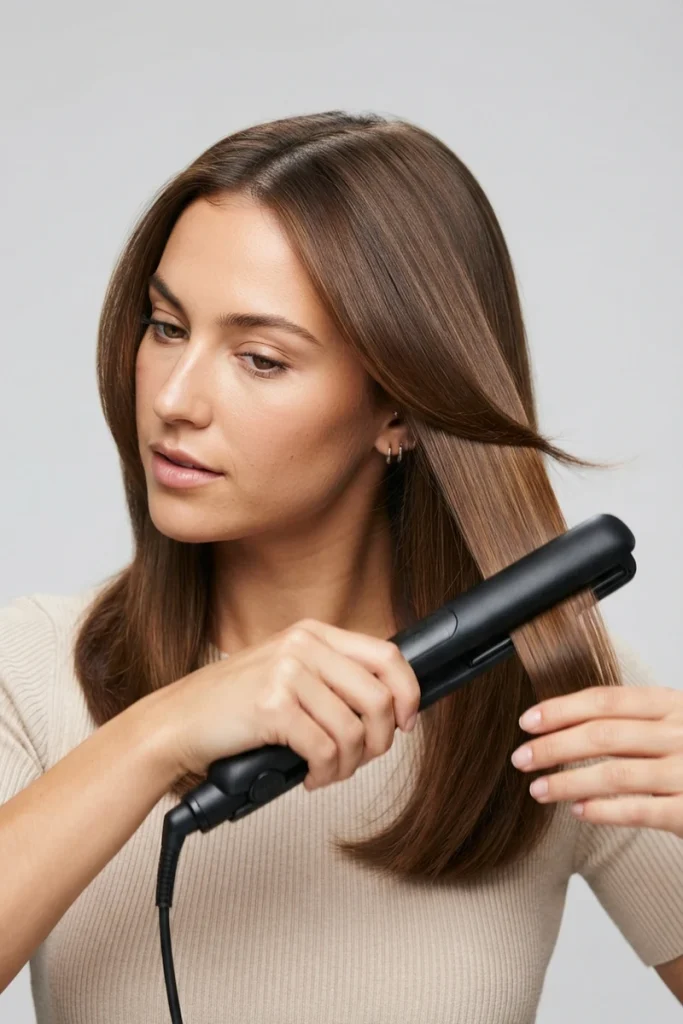
If a flat iron, curling wand, or blow dryer is part of your daily routine, heat damage builds up gradually and shows up as dullness, split ends, and hair that no longer holds a curl the way it used to. Apply a heat protectant to damp hair before every single heat session, not just on days it “feels necessary,” and keep tools under 350°F for fine to medium hair, reserving higher heat only for coarse or very curly textures. Give hair at least one heat-free day a week to let the strand recover.
10. Tight Updos and Braid Wearers
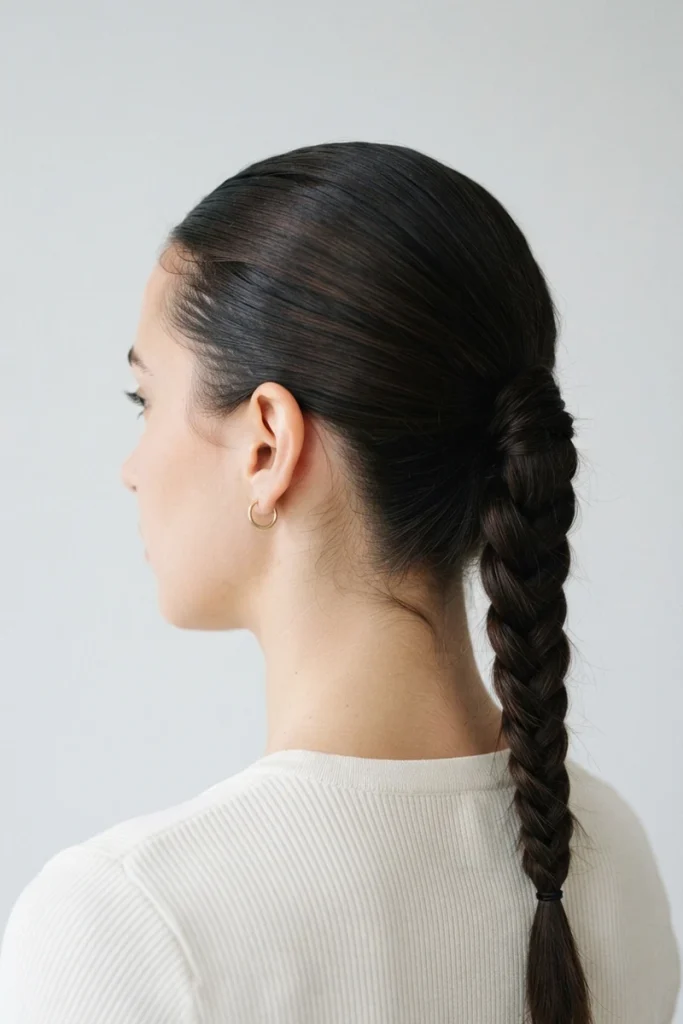
Ponytails, braids, and buns worn tightly and frequently put constant tension on the same section of hair and scalp, which over time can cause breakage and thinning right along the hairline — a pattern called traction alopecia when it’s severe. Alternate the placement of your part and the tightness of your style day to day instead of repeating the exact same pull each time, and loosen any style that leaves your scalp sore or causes visible bumps along the hairline by the end of the day. Silk or satin hair ties cause less friction and snapping than standard elastic bands.
11. Minimal-Styling, Wash-and-Go

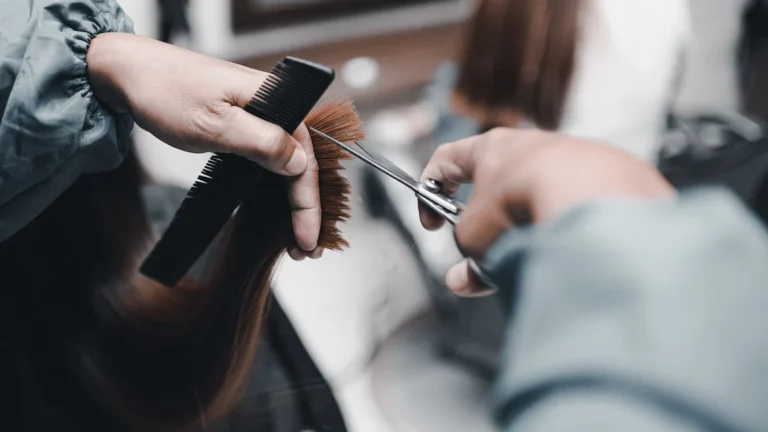
Skipping heat tools and daily styling is genuinely one of the best things you can do for hair health, but a minimal routine still needs the basics covered or it can drift into looking undone rather than intentionally low-maintenance. Focus your effort on the wash day itself — a good conditioner, a leave-in on damp hair, and a proper trim schedule matter more when there’s no styling to mask damage in between. Regular trims especially can’t be skipped in a wash-and-go routine, since split ends have nowhere to hide without any styling to smooth them over. If you’re unsure what “regular” means for your cut, our haircut-by-haircut trim guide breaks it down.
FAQ
How often should I wash my hair?
It depends more on your hair type and scalp than any fixed rule — straight and fine hair often needs washing every one to two days, while curly and coily hair usually looks and feels better washed every two to three days or less. Watch how your scalp and lengths actually feel rather than following a generic schedule.
Is it bad to brush my hair every day?
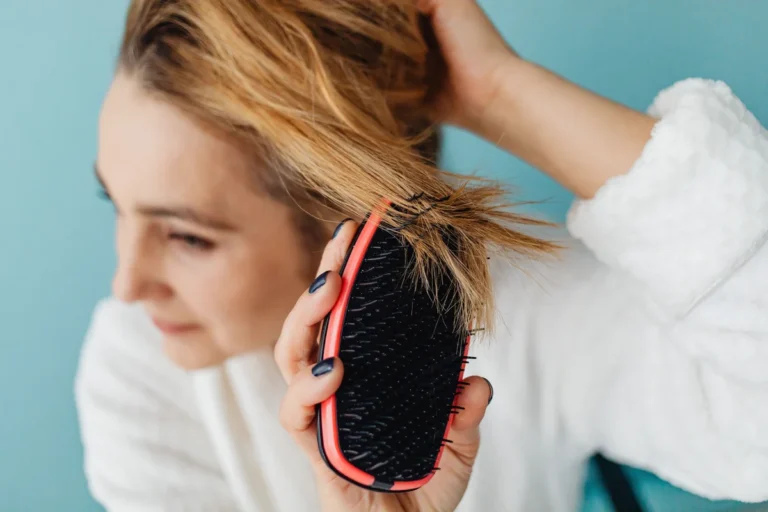
Brushing itself isn’t harmful, but how you brush matters — always start detangling from the ends and work upward, and avoid brushing curly or wavy hair when it’s dry, since that breaks up natural texture and causes frizz rather than smoothing it.
Do I really need a heat protectant if I use low heat?
Yes — any direct heat above room temperature dries out the hair shaft over time, and a heat protectant also creates a barrier that reduces direct contact between the tool and the strand, regardless of the temperature setting.
Can diet actually affect hair health?
To some degree — persistent deficiencies in iron, protein, or certain vitamins can show up as increased shedding or slower growth, but diet won’t reverse damage that’s already happened to the hair shaft itself, since hair strands are not living tissue. For ongoing hair loss or scalp concerns, it’s worth seeing a doctor rather than relying on diet changes alone.
Closing
A good hair care routine isn’t about following every tip on this page at once — it’s about identifying which two or three actually apply to your hair type, your main concern, and how you style day to day, then staying consistent with just those. Bring up your specific concern with your stylist at your next appointment rather than guessing at products alone; they can see what’s actually happening with your hair in a way a list of tips never can. If a color change is next on your list, our hair color ideas guide breaks that down by undertone and upkeep level, and for cut inspiration, browse our bob haircut and pixie cut guides.