Balayage Hair Color Ideas for Every Base Color
Balayage hair color gets treated like a single hairstyle you either want or don’t. It’s a hand-painting technique, and the same technique produces completely different results depending on three things: your natural base color, how much contrast you’re comfortable with, and how often you’re realistically going to sit in a salon chair for upkeep.
Below are balayage ideas organized around those three decisions — not fifteen photos of the same soft brown ends.
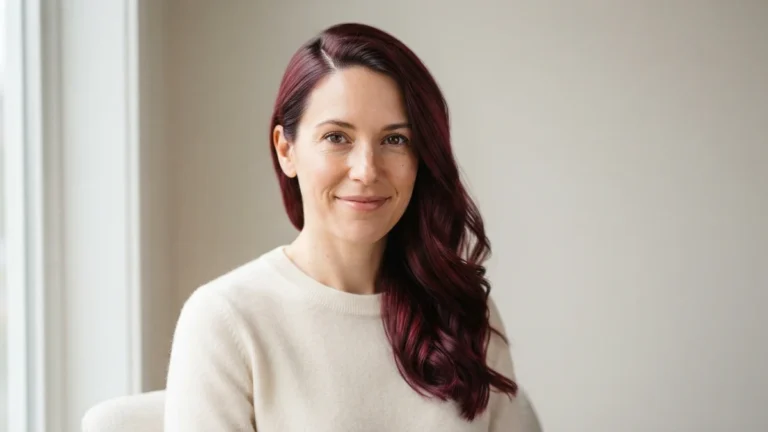
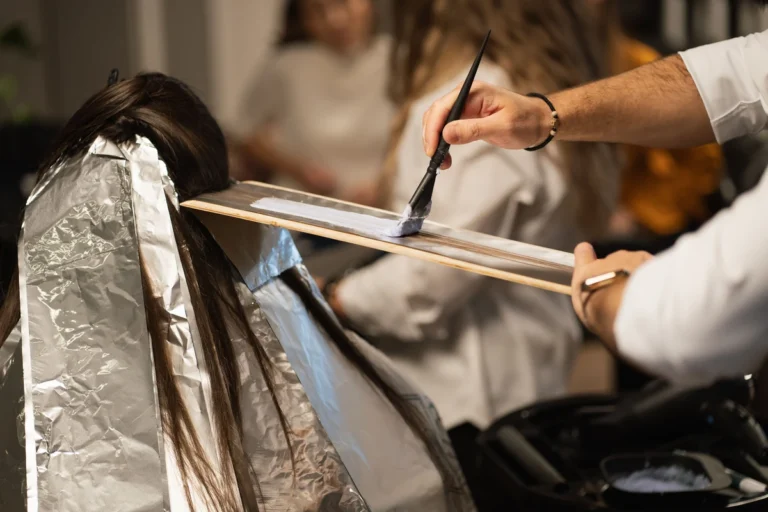
Balayage’s hand-painted technique — as opposed to foils — is what gives it that graduated, sun-kissed effect. For a deeper option on dark brown hair, see the burgundy balayage in our burgundy hair color ideas.
Start With Your Upkeep Budget: The One Question That Decides Everything
How much maintenance are you actually signing up for?
Balayage was popularized as the “low-maintenance” alternative to foils, and compared to a full head of highlights, it is. But “low-maintenance” is relative to your base color:
- Brunettes going 1-2 shades lighter: Genuinely low upkeep. Regrowth blends naturally since balayage doesn’t create a hard line at the root.
- Blondes or high-contrast looks: Still needs toning every 4-6 weeks to stop the ends from turning brassy, even if the color itself grows out gracefully.
If you don’t want to think about your hair between salon visits, pick a shade close to your natural base. If you want drama, budget for toner visits — the placement is low-maintenance, the color itself isn’t always.
Balayage vs Highlights, Ombré and Babylights
Balayage is often confused with other lightening techniques, and asking for the wrong one is a common reason people leave the salon disappointed. The difference is in how the color is applied and where it lands.
| Technique | How it’s applied | How it looks | Grow-out |
|---|---|---|---|
| Balayage | Painted by hand on the surface of the hair | Soft, sun-kissed, lighter toward the ends | Gentle; often 3–4 months between full appointments |
| Foil highlights | Thin sections woven and wrapped in foil | Brighter, more even lightness from root to tip | Visible line in 6–8 weeks |
| Ombré | Lightens the whole lower half of the hair | Clear dark-to-light shift, little dimension | Easy; roots can stay natural |
| Babylights | Very fine foiled sections close to the root | Subtle, natural brightness all over | Soft, but takes the longest to apply |
| Foilyage | Painted like balayage, then wrapped in foil | Balayage shape with more lift and brightness | Similar to balayage |
If you want visible brightness on dark hair, ask about foilyage: the foil holds heat and helps the lightener lift further than open-air painting can.
Balayage Hair Color by Base Color
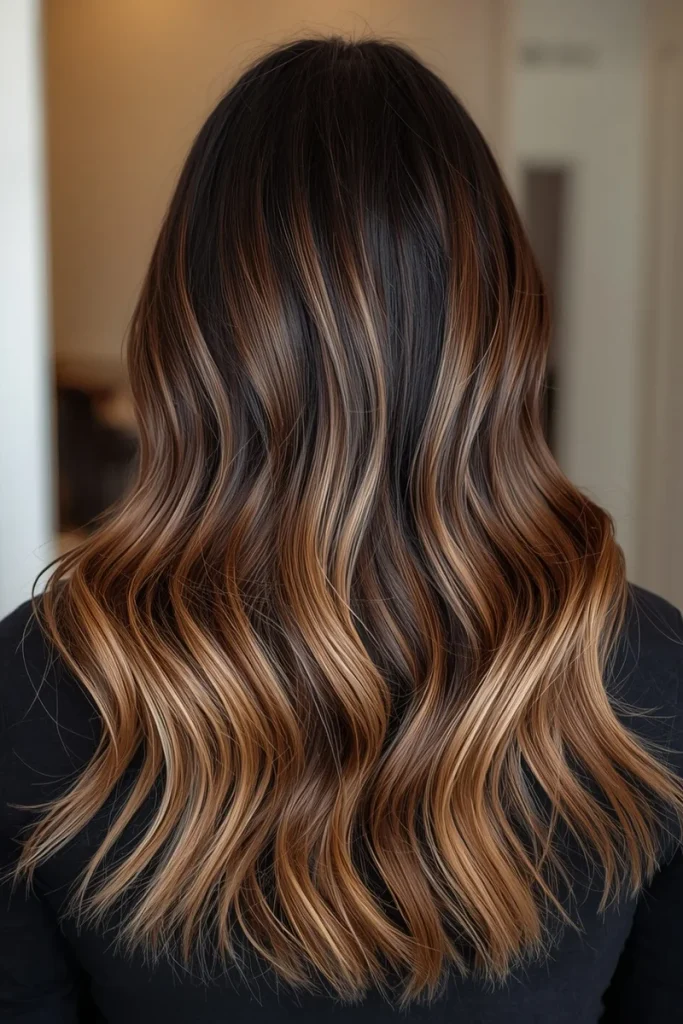
On Dark Brown or Black Hair
Dark bases need more lightening to show contrast, which means more processing time and, often, a pre-lightening step before the color goes on. Two directions work well here:
- Caramel balayage: Warm caramel tones lifted through the mid-lengths and ends read as sun-kissed rather than “dyed,” and they’re forgiving of regrowth.
- Money piece balayage: Two face-framing pieces are lightened several shades brighter than the rest of the hair. It’s a smaller commitment than full balayage — less hair to maintain, still a noticeable change.
On Medium Brown Hair
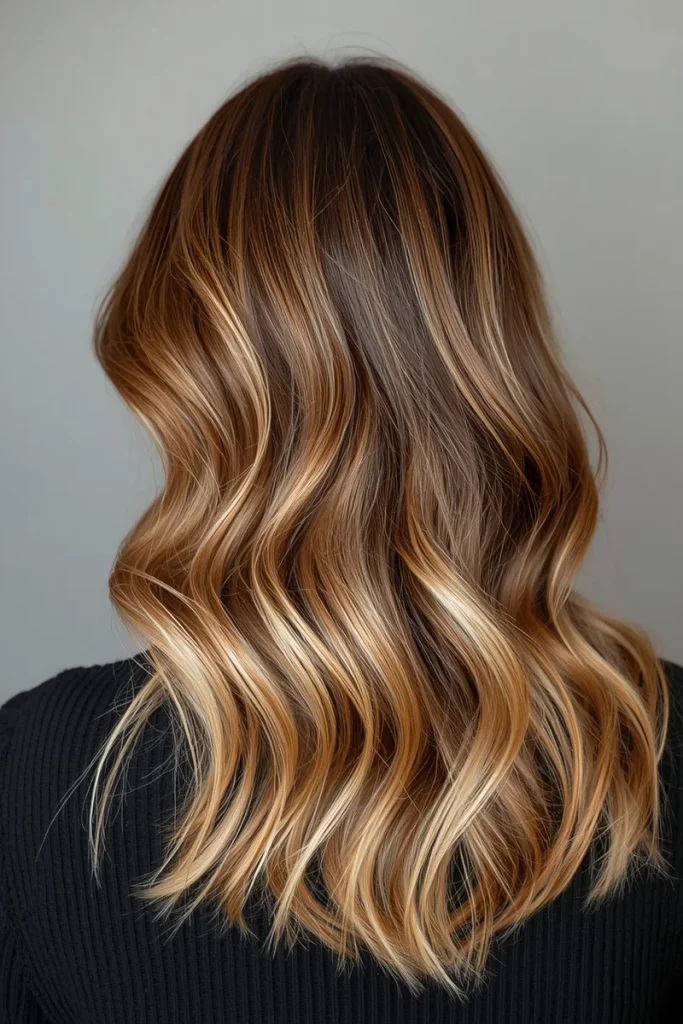
This is the easiest base to work with because you’re not fighting as much underlying pigment.
- Honey balayage: Warm gold-blonde tones woven through, concentrated at the ends. Low contrast, easy regrowth.
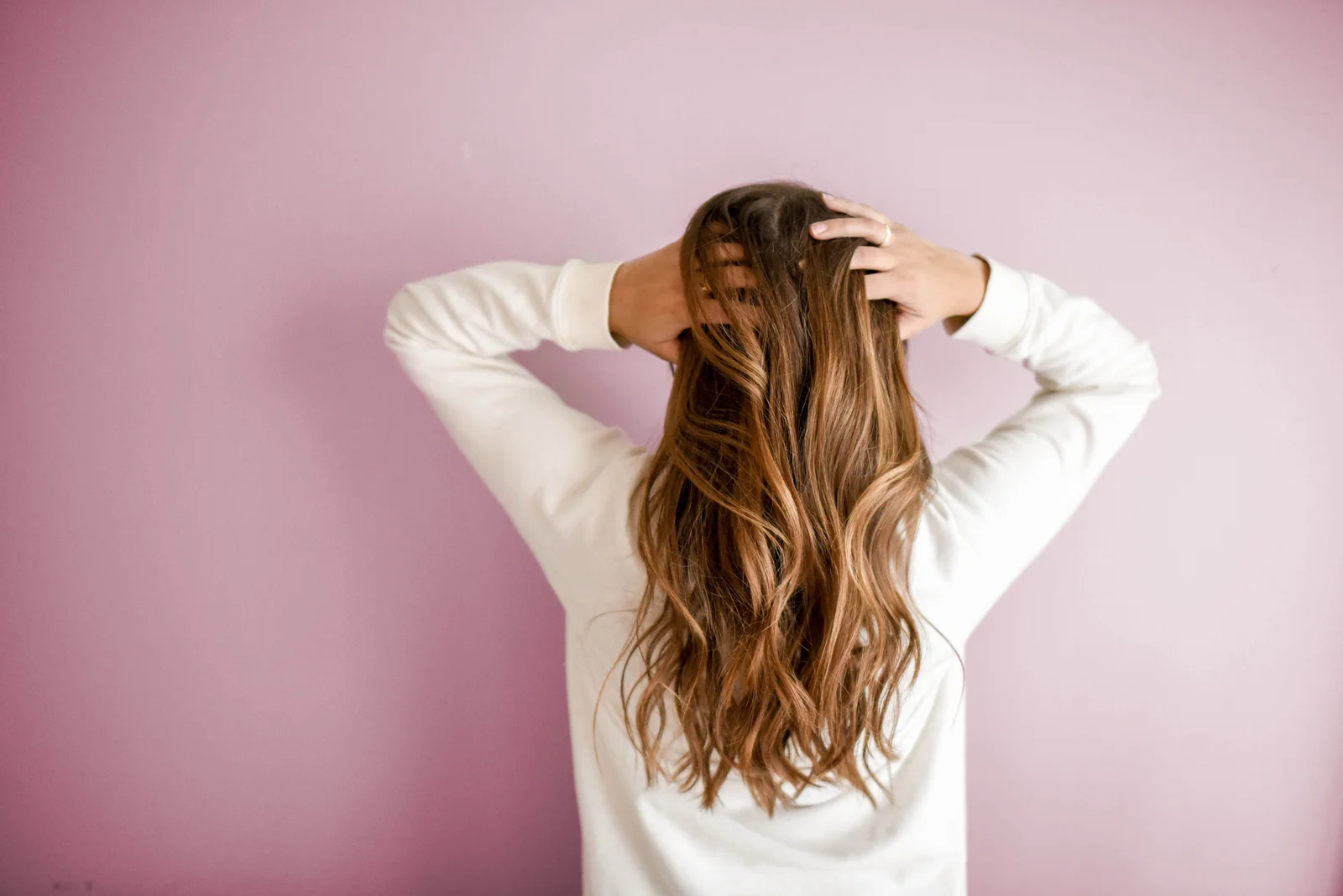
- Dimensional balayage: A mix of two or three tones (not just one lighter shade) that mimics how hair naturally lightens in the sun. This is the version most colorists mean when they say “your hair, but better.”
On Naturally Blonde or Light Brown Hair
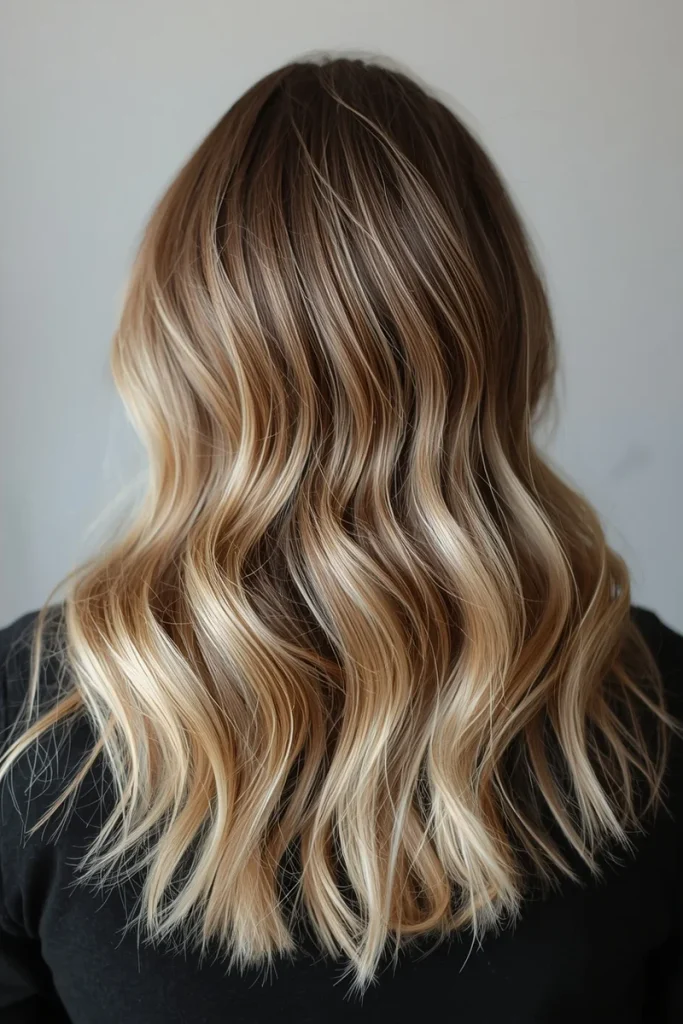
Blondes have the most room to play because there’s less pigment to lift through.
- Beachy balayage: Subtle, sun-bleached-looking ends. This is the version that photographs as “I didn’t do anything, my hair just looks like this.”
- Platinum balayage: High-contrast, ash-toned ends against a warmer root. This needs the most frequent toning of any option on this list — untoned blonde balayage turns yellow within weeks.
On Red or Auburn Hair
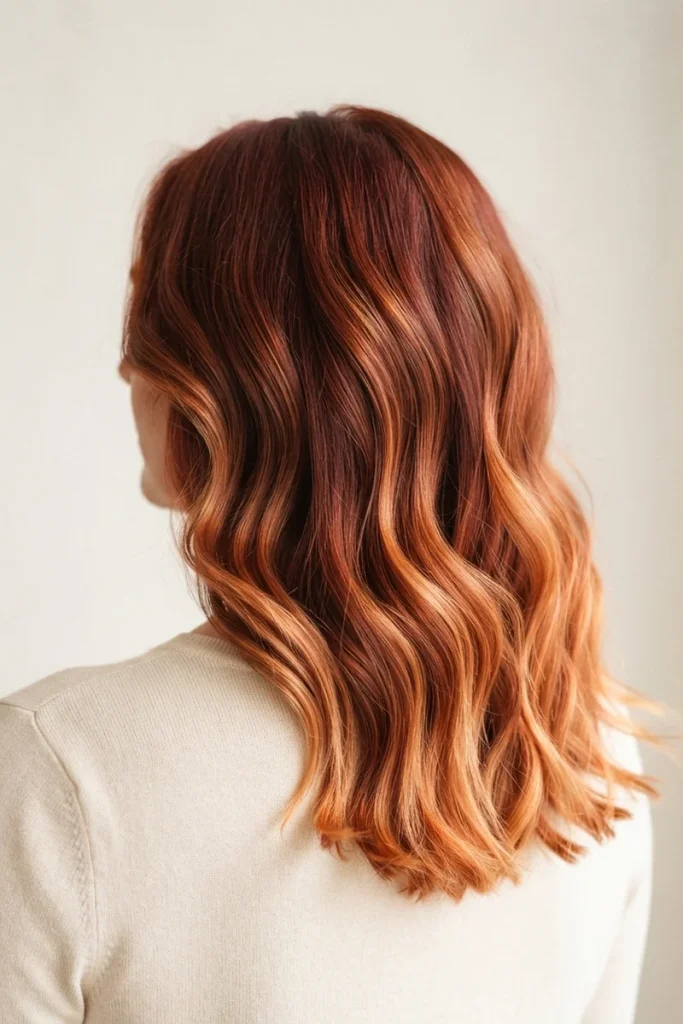
Balayage on red hair is less common because red pigment is stubborn to lift, but it’s not off the table:
- Copper balayage: Instead of going blonde, the ends are lifted to a brighter copper or strawberry tone. This keeps the “your hair, sun-warmed” effect without fighting your base tone.
On Gray or Silver Hair
Balayage on gray hair works in reverse. Instead of lightening, a colorist paints in lowlights, slightly darker strands in ash brown or soft taupe, to add depth and blend the line where gray is growing in. It’s one of the gentlest ways to transition to natural gray, because the grow-out is soft rather than a hard band at the root.
- Silver blending: fine lowlights through the top and around the face, so gray looks intentional rather than patchy.
- Pearl balayage: on very light gray or white hair, a cool pearl or icy toner evens out yellow tones.
Our guide to gray hair cuts and care covers the toning routine that keeps silver from turning yellow.
Root Placement: The Decision Most People Skip
Before you pick a shade, decide how close to the scalp you want the color to start. This changes the whole look more than the color choice does:
- Root smudge / shadow root: Color starts almost at the scalp, with a soft, smudged transition. Best for anyone who wants a dramatic look but hates visiting the salon often — the shadow disguises regrowth for months.
- Traditional balayage placement: Color starts a few inches down. Looks more natural on shorter hair, since there’s less length to show the transition.
- High-contrast placement (further from the root): Reads as more “done” and intentional. This is the placement most bridal or event balayage uses, since it photographs cleanly.
Time, Upkeep and What to Expect
Balayage is usually a longer appointment than people expect, and the first visit often isn’t the last if your base is dark. This table gives a realistic picture before you book.
| Starting point | First appointment | Toner or gloss | Full touch-up |
|---|---|---|---|
| Light brown or blonde, subtle result | 2–3 hours | Every 8–10 weeks | Every 4–6 months |
| Medium brown, honey or caramel | 3–4 hours | Every 6–8 weeks | Every 3–4 months |
| Dark brown or black, caramel | 3–5 hours, sometimes 2 sessions | Every 6–8 weeks | Every 3–4 months |
| Dark base to blonde or platinum | Usually 2–3 sessions | Every 4–6 weeks | Every 2–3 months |
Prices vary widely by city and salon, so ask for a consultation first. Most colorists can give a range once they have seen your hair in person, and many charge separately for toner, gloss and bond-building treatments.
Keeping Balayage From Turning Brassy
Lightened hair exposes warm orange and yellow pigment underneath, and that warmth slowly shows through as toner fades. A few habits keep the color closer to how it looked on day one:
- Purple or blue shampoo once a week: purple cancels yellow on blonde ends; blue cancels orange on brunette balayage.
- A gloss every 6–8 weeks: a quick salon gloss refreshes the tone without lightening again.
- Sulfate-free shampoo and cooler water: both slow the rate at which toner washes out.
- Heat protectant every time: lightened ends are more fragile than the rest of your hair. Our heat damage guide explains why.
- Wait 48–72 hours before the first wash: it gives the toner time to settle.
If the ends start to feel dry or snap easily, our guide to hair breakage causes and fixes covers what helps.
What to Tell Your Colorist
Bringing a single reference photo isn’t enough, because your colorist can’t tell from a photo whether that model’s hair was pre-lightened, how thick it is, or how it was toned. Instead, bring:
- Your base color right now (not what you want it to be)
- How much contrast you want — subtle sun-kissed vs. noticeably lighter ends
- How often you’re willing to come back for toning — this alone should decide whether you go warm or ash-toned
A colorist working from those three answers will get you closer to a result you’ll actually maintain than one working from a Pinterest board of someone else’s hair.
If you’re still deciding on a color family before committing to a technique, our general hair color ideas guide is a good starting point.
Balayage FAQ
Does balayage damage your hair?
Any lightening weakens the hair it touches, but balayage usually lightens less hair than full highlights, and the roots are often left untouched. Damage is lower when the colorist uses a bond-building treatment and when you use heat protectant afterward.
How long does balayage last?
The lightened sections don’t wash out, but the toner on top fades in 6–8 weeks, which is when brassiness appears. Most people refresh with a gloss every couple of months and book a full touch-up every 3–4 months.
Can you get balayage on short hair or a bob?
Yes. On a bob, balayage is usually painted on the ends and around the face, so the brightness shows when the hair moves. Very short cuts like pixies have less length to show a gradient, so a few face-framing pieces often work better. See our bob haircut guide for cuts that show color well.
What’s the difference between balayage and ombré?
Ombré lightens the whole lower part of the hair, giving a clear dark-to-light shift. Balayage paints individual pieces, so the result has more dimension and a softer blend.
Is balayage good for winter?
Yes. Many people switch to deeper, warmer balayage in colder months, such as chocolate, mocha or burgundy. Our winter hair color ideas show which shades suit the season.
Can I do balayage at home?
Kits exist, but the hand-painting and toning are hard to get right on your own hair, especially at the back. A salon is the safer choice for dark hair or any big change in lightness.
Bottom Line
Balayage isn’t one look — it’s a technique, and the “right” version of it depends entirely on your starting point. Match the shade to your base, decide your root placement before your appointment, and be honest about how much toning upkeep you’re willing to do. That’s what separates balayage that looks intentional for months from balayage that turns brassy in six weeks.