Shag Haircuts: 21 Styles Sorted by Length and Texture
The shag has never really left — it just keeps changing shape. What started as a choppy, rock-and-roll cut in the 1970s has split into dozens of directions: soft and Parisian, razor-sharp and edgy, cropped short or falling past the shoulders. That range is exactly what makes “just get a shag” useless advice. The version that flatters a fine, shoulder-length cut is a completely different haircut from the one that works on thick, waist-length hair.
This guide breaks the shag down by the two things that actually decide which version you should ask for, then walks through 21 styles across four length-and-texture categories — so you can walk into your next appointment with a specific reference instead of a vague idea.
Length and Texture Come First: The Two Decisions Behind Every Shag Haircut
1. How much length are you starting with, and how much are you willing to lose? A shag isn’t a single silhouette — it’s a layering technique applied to whatever length you already have. Short shags sit at or above the jaw and lean into cropped, textured shapes. Medium shags land between the chin and the collarbone, where bob and lob structures take over. Long shags keep length past the shoulders and use layering purely to add movement. Figure out which bracket your current length (or your target length) falls into first — it narrows the list immediately.
2. Do you want soft, blended texture or bold, choppy texture? This is the decision that separates a “French shag” from a “rocker shag” even when they’re cut at nearly identical lengths. Soft, blended shags use gentler layering and read as romantic and low-effort. Choppy, bold shags use aggressive point-cutting or razor work and read as edgy and high-impact. Neither is more “correct” — but it’s the difference between a cut that needs five minutes of scrunching and one that needs a texturizing spray and some intention every morning.
Short Shag
1. Classic Short Shag
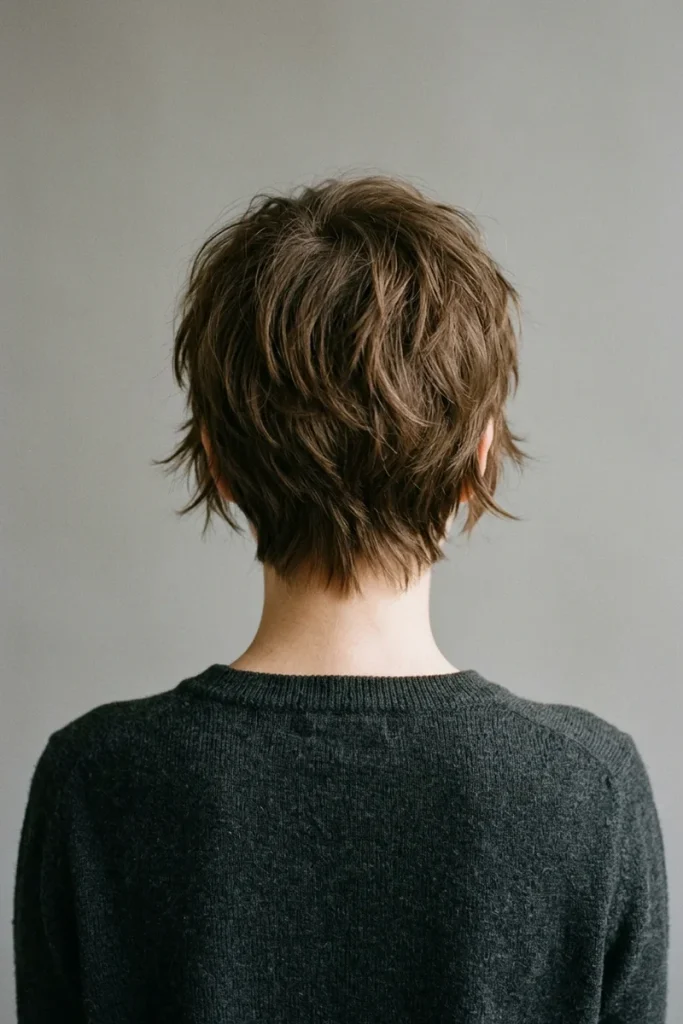
This is the shag in its most stripped-down form: layers cut close around the crown and sides, sitting at or just above the ears. It’s the version every other short shag borrows from, because the layering does real work — lifting the crown and softening whatever face shape sits underneath it. Compared to the shaggy pixie below, it keeps slightly more length overall and reads a touch less cropped. Best for: first-timers who want the shag’s texture without committing to a very short cut.
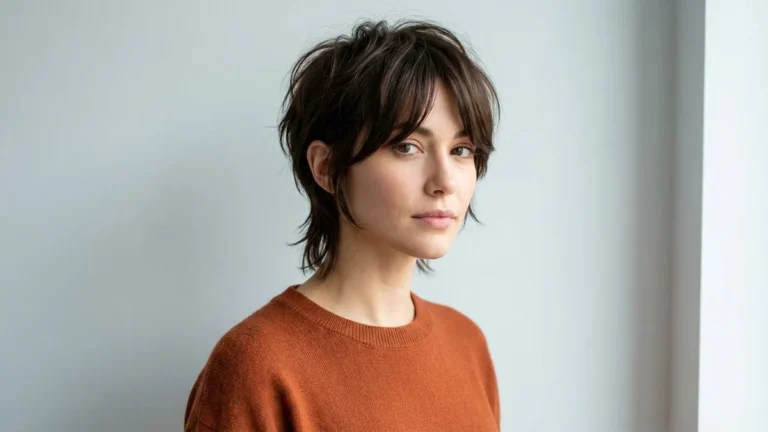
2. Shag Pixie Cut
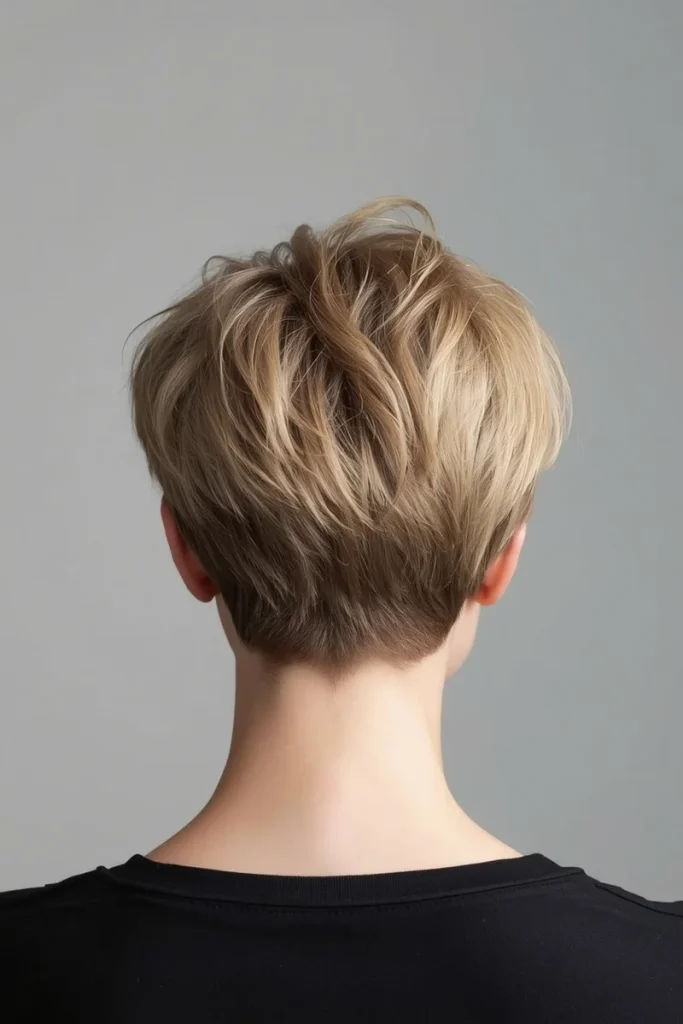
Take a traditional pixie and loosen every line of it — that’s the shag pixie. Layers run through the crown and sides, and the ends are left deliberately textured rather than clipped into a precise shape, which softens the whole thing around the temples and cheekbones. It sits shorter and closer to the head than the classic short shag, trading a bit of length for a more dramatic, cropped feel. Best for: anyone who loves short hair but finds a traditional pixie too severe.
3. Shaggy Bixie
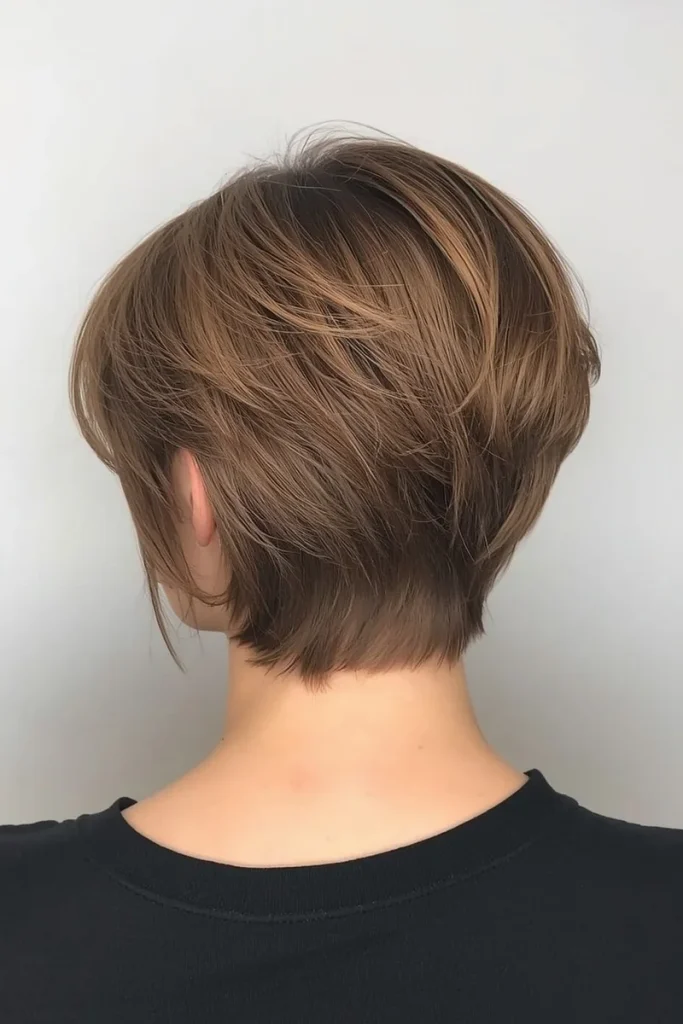
The bixie splits the difference between a bob and a pixie, landing around cheekbone to jaw length, and the shag version layers it heavily so texture runs from root to tip. It’s longer than the shag pixie above — enough to tuck behind an ear or clip back — but still reads as a short cut overall. Best for: people torn between going short and keeping a little length to play with.
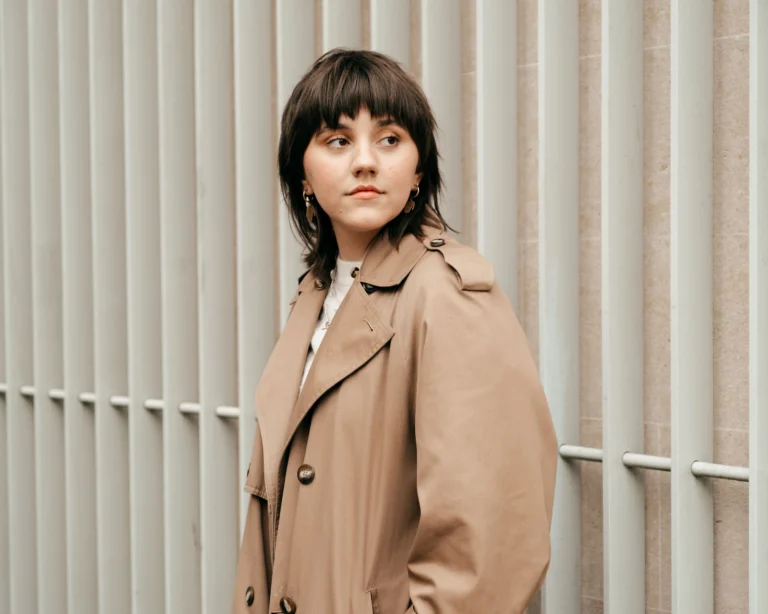
4. Shaggy Mullet
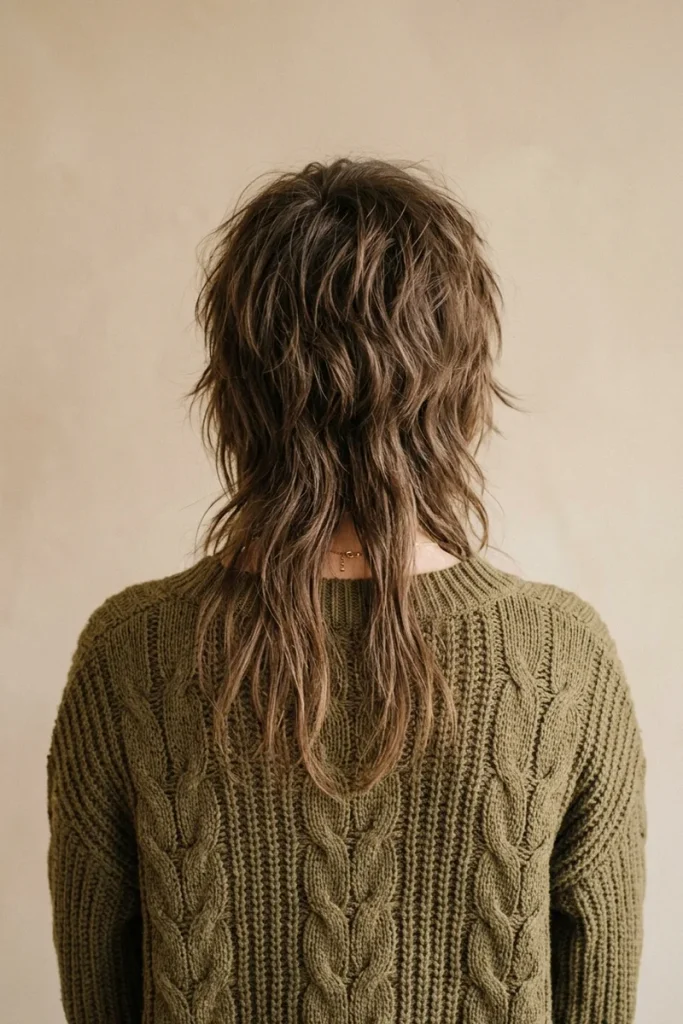
Short and layered at the front and sides, gradually lengthening toward the back — the modern shaggy mullet has shed most of its 1980s reputation and become one of the boldest shag variations available. The shag layering throughout keeps the whole thing cohesive instead of looking like two separate haircuts stitched together. Best for: anyone who wants a short shag with a clear point of view, not just a safe crop.
5. Shag with Baby Bangs
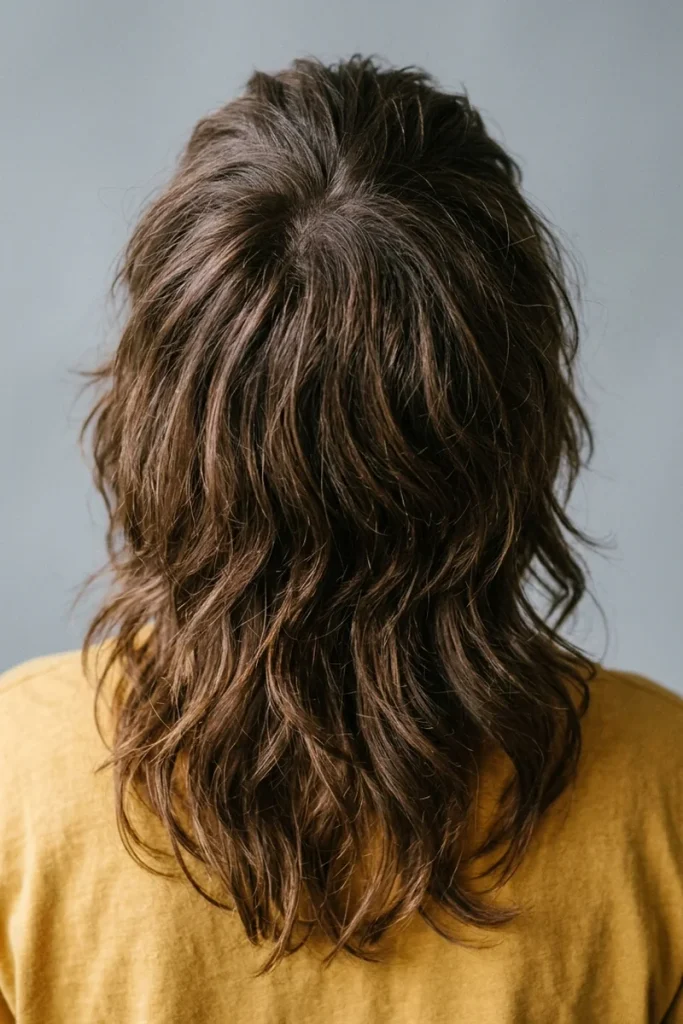
Baby bangs sit high on the forehead, well above the brow, and pairing them with shaggy layers at the sides keeps the rest of the cut from feeling too severe. It’s the boldest entry in this section — closer to a statement cut than an everyday low-maintenance choice. Best for: confident, styling-willing clients who want their fringe to be the focal point.
Medium-Length & Bob Shag
6. Shaggy Bob
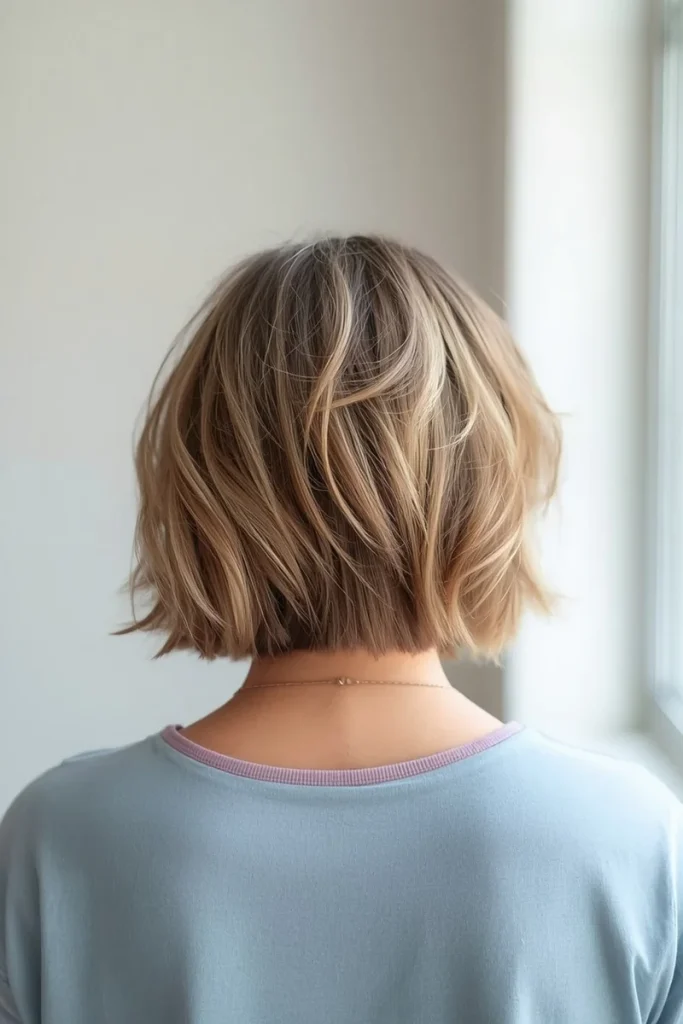
A jaw-to-collarbone bob with choppy layers worked through it instead of one clean line. Where a sleek bob depends on precision, the shaggy version depends on texture — the layers catch light differently at each length, which reads as fullness even on fine hair. It’s the anchor style of this whole section. Best for: fine or medium hair that needs the illusion of extra density. Our blunt bob vs textured bob comparison shows how much texture to ask for.
7. Shaggy Lob
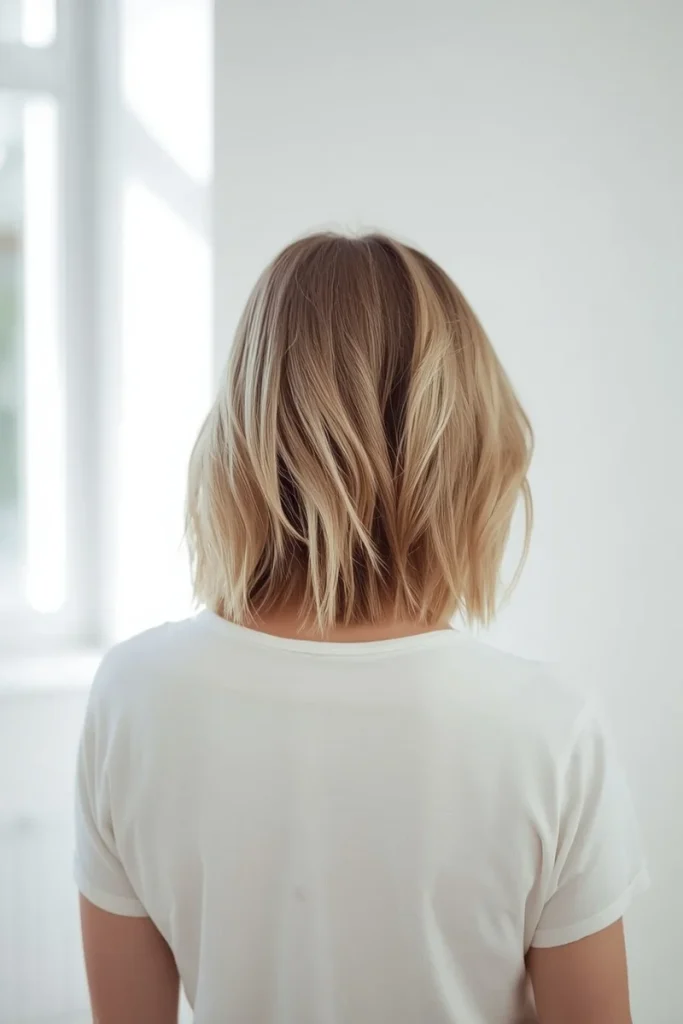
The long bob, layered. Landing between the collarbone and the jaw, the shaggy lob adds enough layering that the ends move and separate instead of sitting as one heavy block. Compared to the shaggy bob above, it carries more length and grows out with far less awkwardness in between cuts. Best for: anyone who wants bob-level texture without bob-level upkeep.
8. Shaggy Pixie Bob
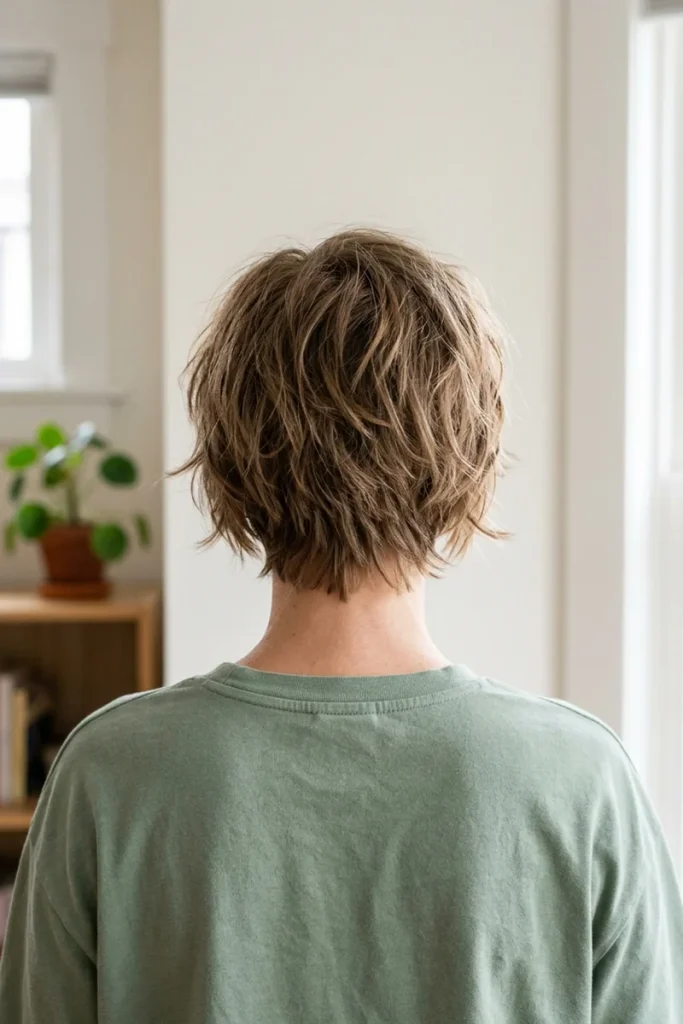
A cut that lands right between a pixie and a bob — roughly ear to chin — with shag layering added throughout. It’s longer than a pure pixie, so there’s more to style with, but shorter than a full bob, so it stays quick to manage day to day. Best for: short-hair fans who want more versatility than a pixie allows.
9. Shaggy Shingle Bob
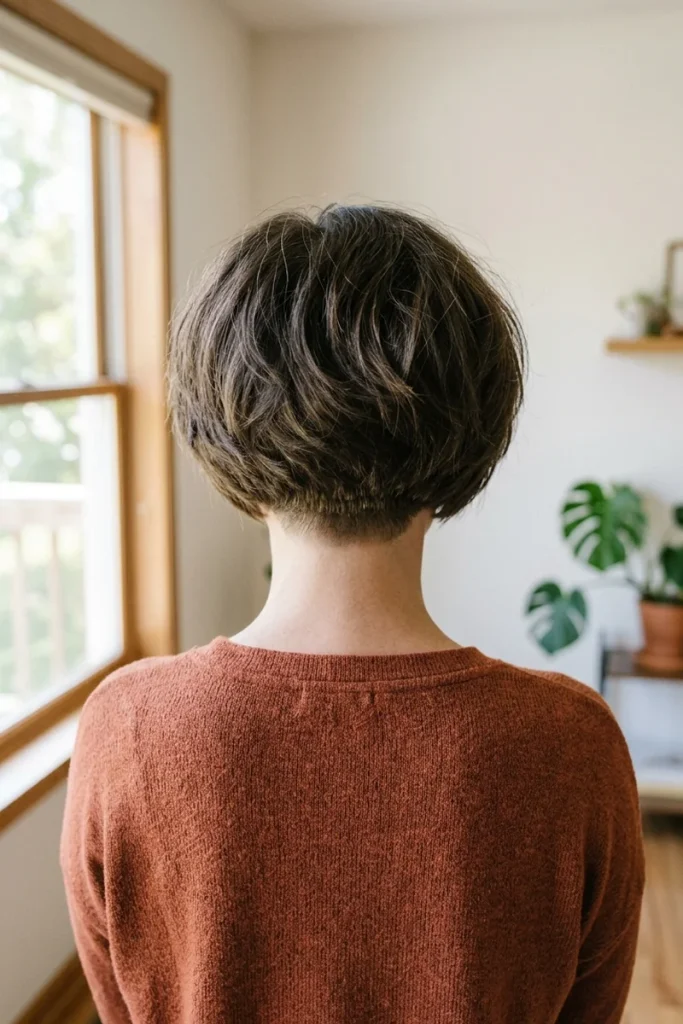
This one keeps the classic shingle shape — stacked at the back, lengthening gradually toward the chin at the sides — but softens every stacked layer with choppy, shag-style cutting. The structure underneath gives it more polish than most shags on this list. Best for: anyone who wants shag texture with a more finished, formal shape.
10. Shag with Blunt Fringe
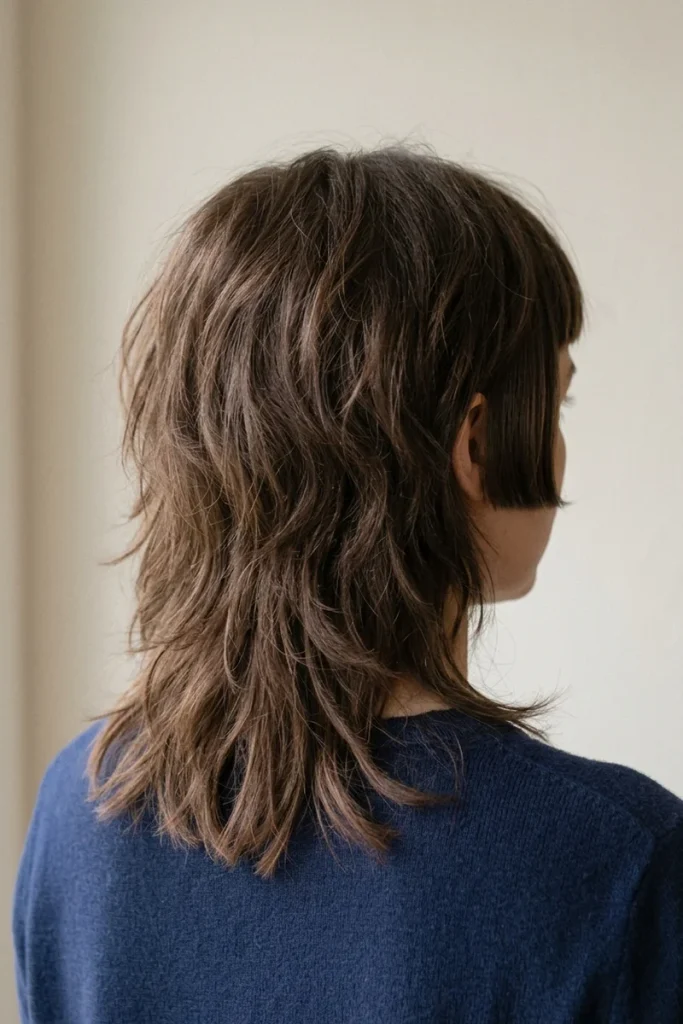
A clean, graphic blunt fringe paired against shaggy, undone layers everywhere else. The contrast is the whole point: one sharp line up top, movement and texture below it. Best for: medium-length hair that needs a defined focal point without going fully editorial.
Long & Layered Shag
11. Classic Feathered Shag

The most direct nod to the shag’s 1970s roots — layers cut to turn gently outward at the ends, creating that signature feathered, blown-out shape. It works especially well on medium to thick hair, since the feathering removes weight while keeping the overall silhouette full. Best for: thick or medium hair that wants volume without extra length loss.
12. Curtain Bangs Long Shag

Center-parted, face-framing bangs that blend directly into the surrounding layers instead of sitting as a separate section. It’s one of the lowest-maintenance long shags on this list — it grows out gracefully and rarely needs a standalone bang trim. Best for: anyone who wants a subtle face-framing effect without committing to a full fringe. For more ways to wear them, from bottleneck to curly, see our curtain bangs styles guide.
13. Messy Rocker Shag

Choppy, deliberately undone layers with a rougher edge than most long shags — this is the version built on imperfection rather than polish. It thrives with minimal styling: a texturizing spray and some finger-tousling is genuinely enough. Best for: low-effort mornings and a slightly edgier everyday look.
14. Soft Boho Shag
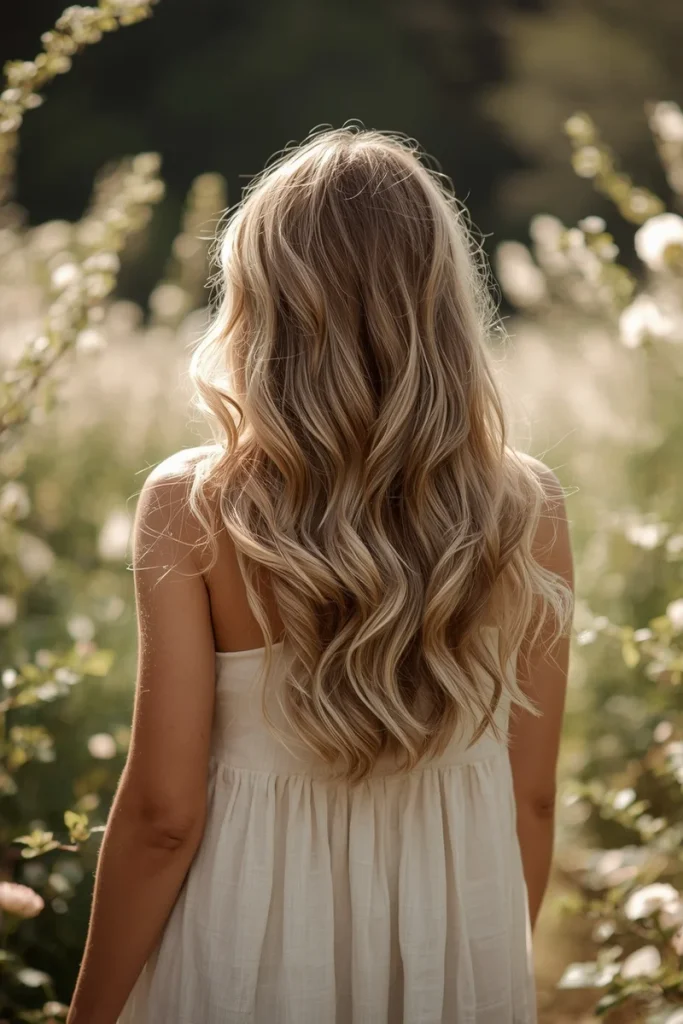
Loose waves paired with gentler, more blended layering than the rocker shag above — the result feels relaxed and natural rather than deliberately messy. It leans into a French-shag-adjacent softness: romantic, undone-but-intentional, and easy to wear with minimal product. Best for: anyone who wants long-hair movement without an edgy finish.
15. Voluminous Blowout Shag
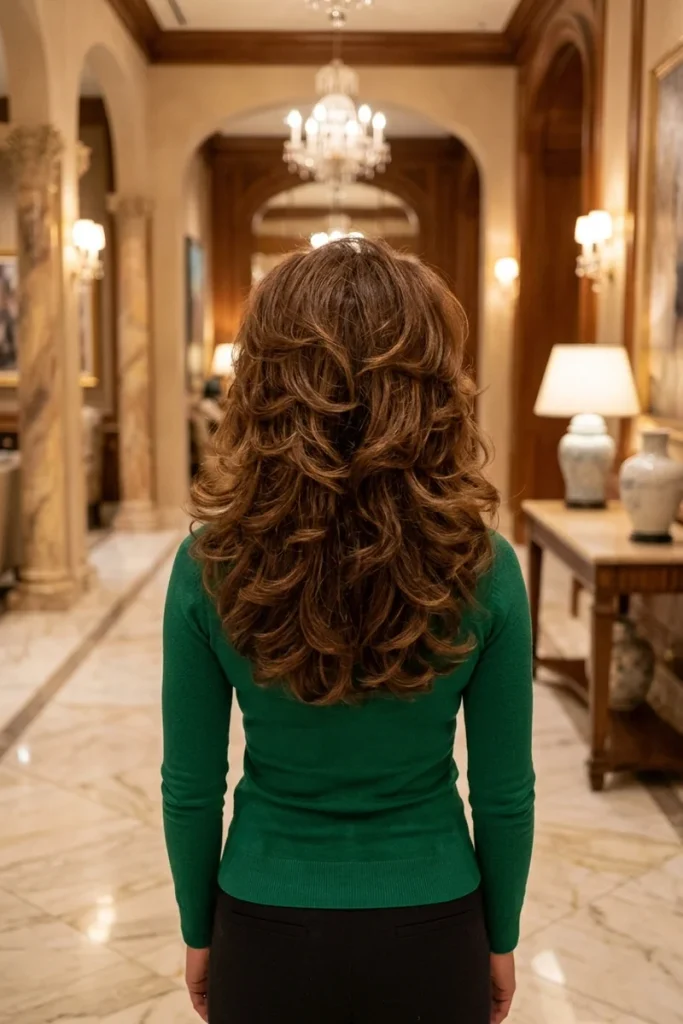
Built around lift at the roots and bouncy, clearly defined layers throughout — this is the long shag styled for maximum impact rather than everyday ease. It needs more active styling than most entries here, but the payoff is real drama. Best for: special occasions or whenever the goal is noticeably big, glamorous hair. Use a heat protectant every time; our heat damage guide explains why layered ends need it most.
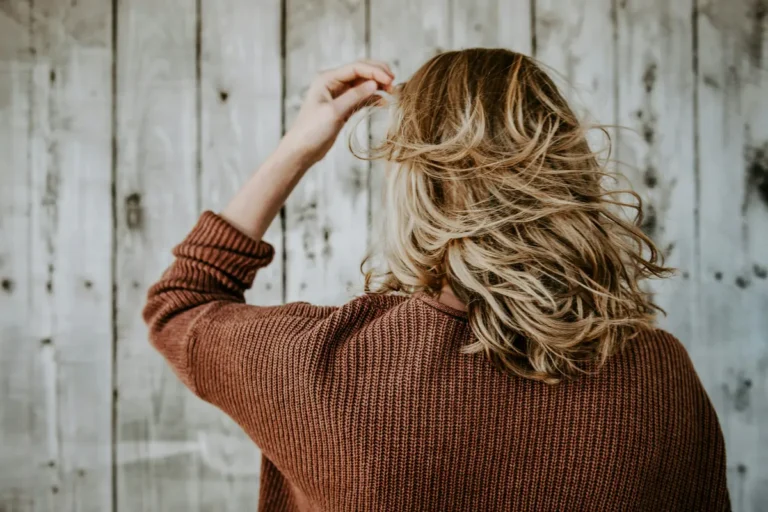
16. Textured Beachy Shag
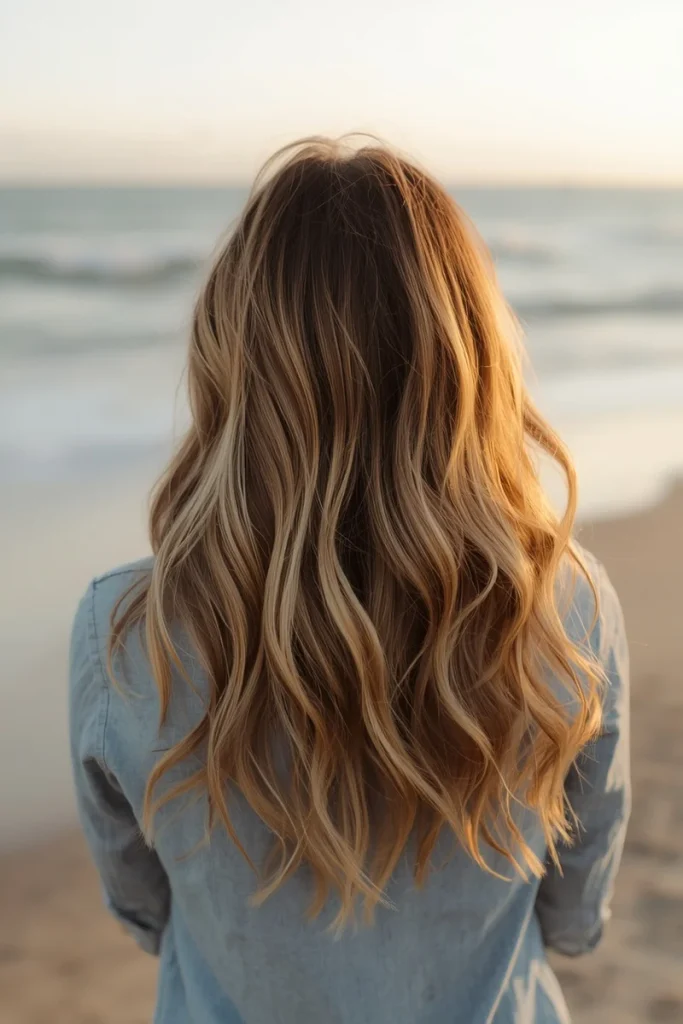
Relaxed waves layered through long hair for a sun-kissed, lived-in finish that genuinely looks better a little undone. A dab of sea salt spray does most of the styling work. Best for: everyday wear and hair that’s air-dried more often than blow-dried.
Texture-, Color- & Hair-Type-Driven Shag Variations
These four aren’t tied to one length — they’re the adjustments a stylist makes based on what your hair is actually doing, layered on top of whichever length category above you land in.
17. Shag for Thick Hair
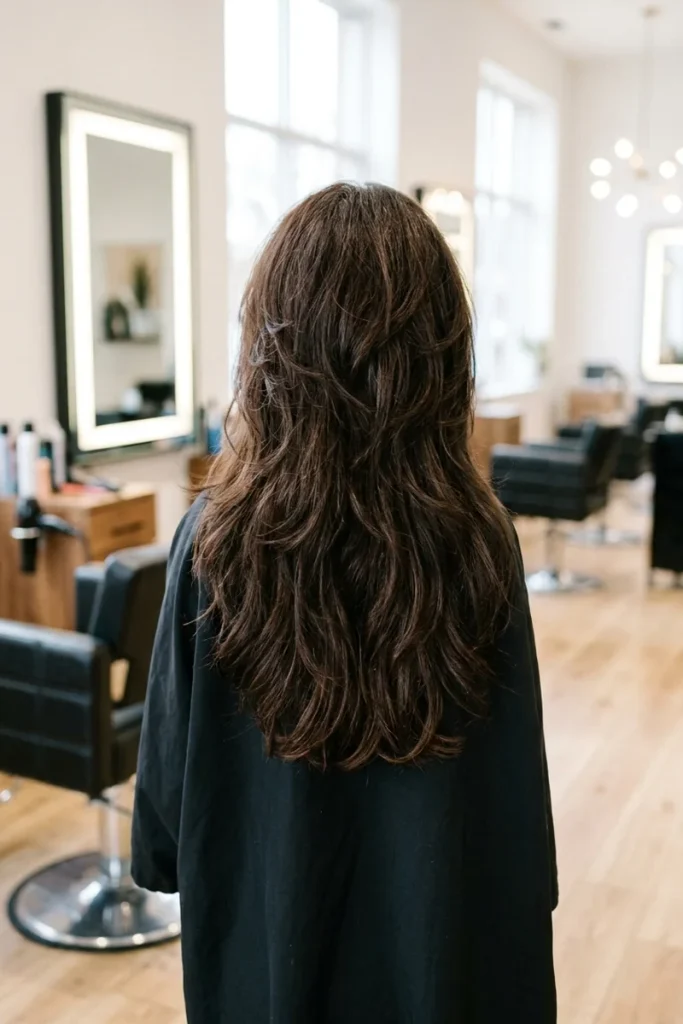
Strategic, interior layering and razor work that removes bulk from within each section without changing the outer shape. The thinning is invisible once styled but makes a real difference in how heavy the hair feels day to day. Best for: thick or dense hair that currently feels like one heavy mass rather than something with movement. Our layered haircuts guide explains how layers remove bulk without losing length.
18. Shag for Fine Hair
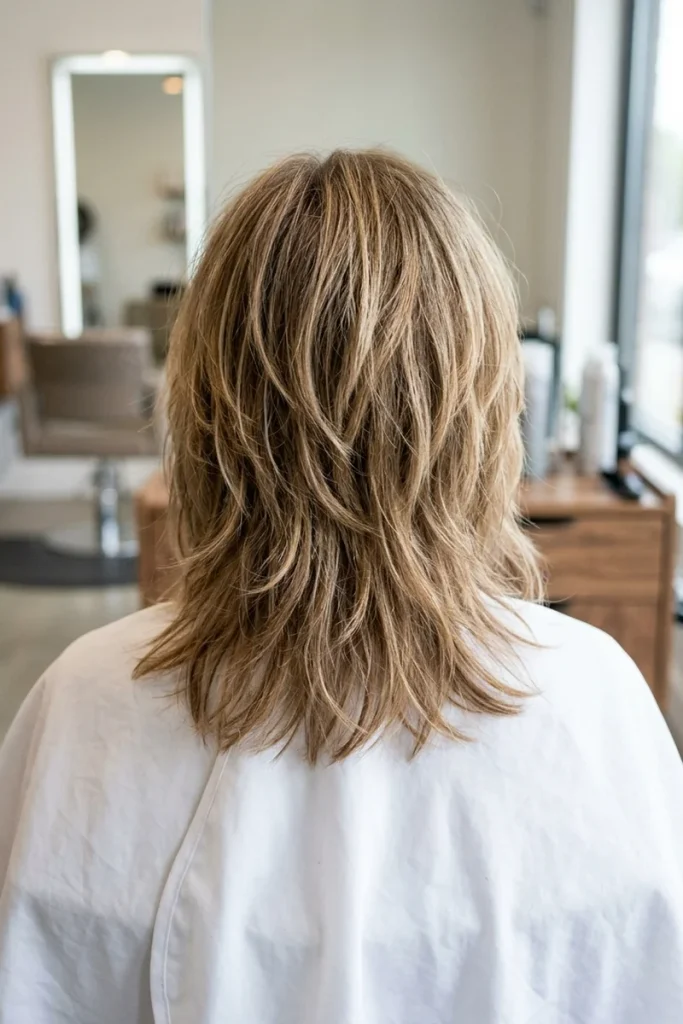
The opposite adjustment: multiple cut lengths throughout create visual texture that reads as fuller, thicker hair than what’s actually there. Counterintuitively, more layers — not fewer — is what makes fine hair look substantial in a shag. Best for: fine or thin hair that looks flat and one-dimensional at a single length. For more cuts that add fullness, see our haircuts for thin hair.
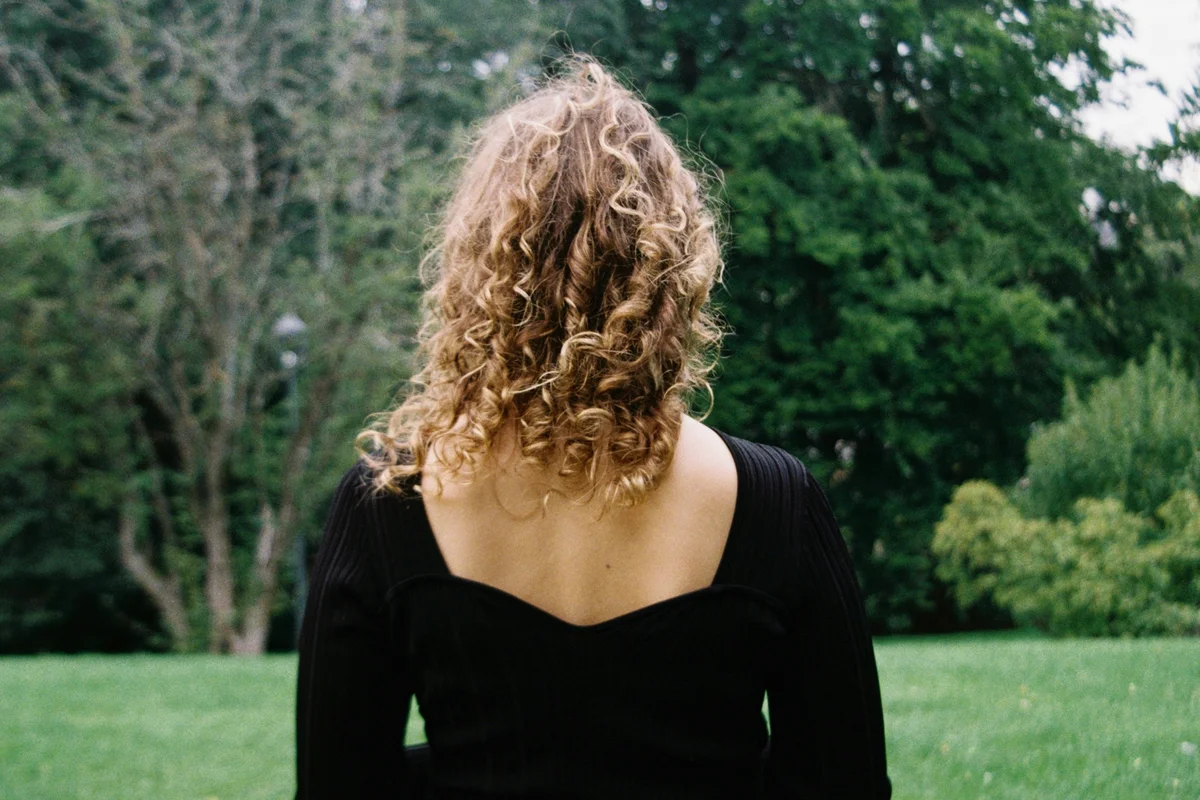
19. Curly Shag
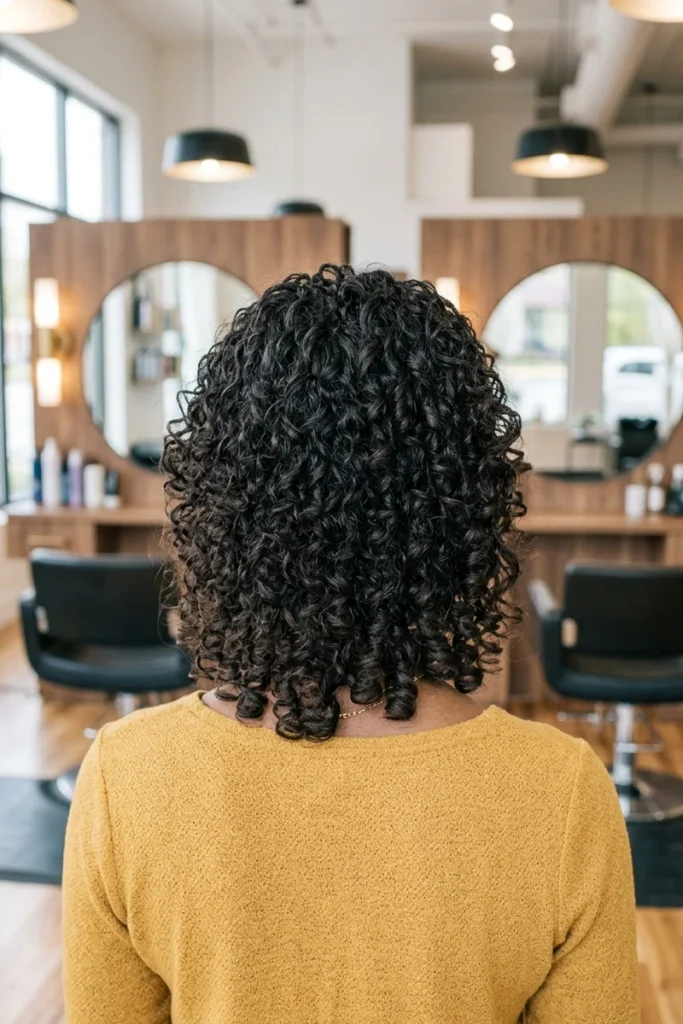
Layering removes weight from curly hair specifically, letting each curl spring up and hold its natural pattern instead of getting dragged down by density. It’s one of the most underrated shag-and-texture pairings, since curls and choppy layering genuinely complement each other. Best for: curly hair that’s gotten heavier and less defined over time. Our guide to curly hairstyles by curl type explains how curl pattern changes the cut.
20. Shaggy Wolf Cut
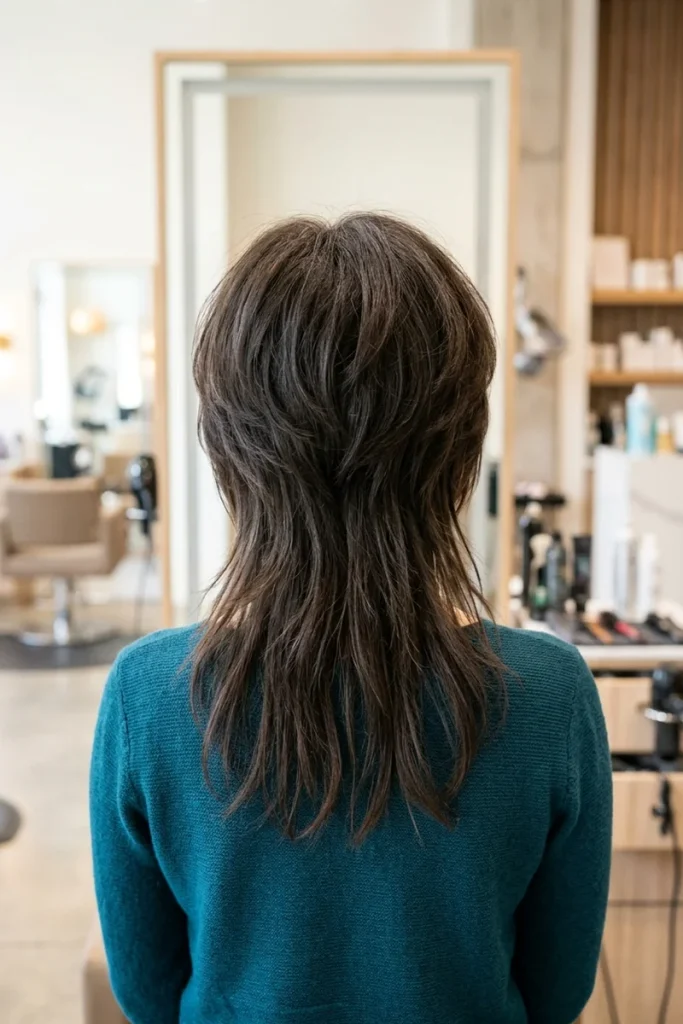
A specific, more dramatic shag variation: a rounded, voluminous crown paired with longer, wispy lengths falling below it. It needs enough hair density at the crown to hold its shape, so it works best on medium-to-thick hair. Best for: anyone who wants the boldest possible shag silhouette.
21. Razor-Cut Shag with Dimensional Color
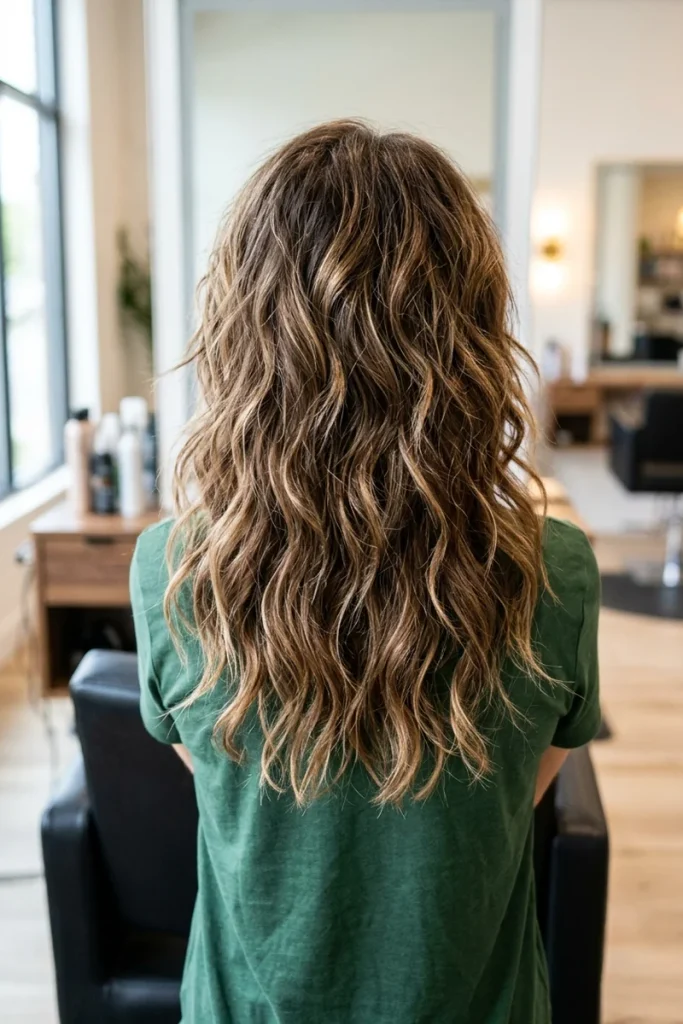
A straight razor does most of the shaping here instead of scissors, creating frayed, diffused ends that behave especially well on wavy or naturally textured hair. Add face-framing highlights or all-over dimensional color — anything from a subtle money-piece to embracing natural grey — and the color variation makes every individual layer visible. Best for: wavy or textured hair, and anyone who wants their layers to visibly catch the light. Our balayage hair color ideas show which shades suit your base color.
FAQ
Does a shag work on curly hair, or is it a straight-hair cut?
Curly and wavy hair actually pair especially well with shag layering. The technique removes weight that would otherwise drag curls down, letting them spring up and hold their natural shape more clearly.
Will a shag make fine hair look thinner?
It’s usually the opposite. Cutting hair to several different lengths creates the illusion of more density than a single blunt length ever would, because each layer contributes its own visual weight.
How often does a shag need to be trimmed to keep its shape?
Less often than people expect, especially with longer or softer shag variations like the lob or curtain-bangs styles — the layers blend into each other so there’s rarely an awkward, unfinished stage during growth. Choppier, shorter shags need more frequent upkeep to maintain the crisper lines. Our trim schedule guide compares the shag with other cuts.
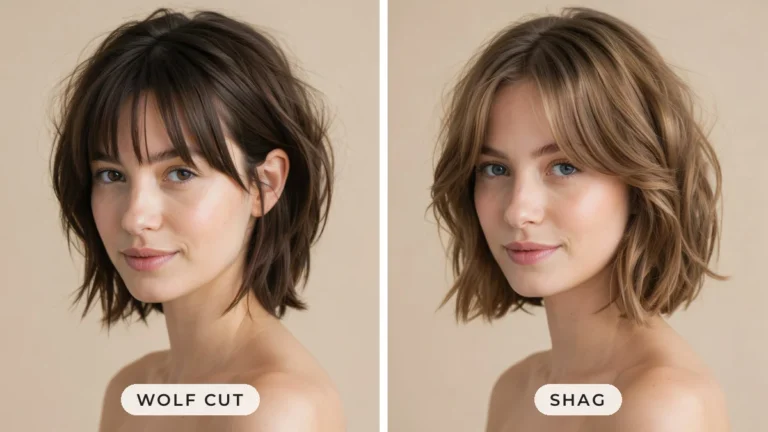
What’s the actual difference between a shag and a wolf cut?
The wolf cut is a specific, more dramatic shag variation — it pairs a rounded, voluminous crown with noticeably longer, wispy ends, rather than distributing layers more evenly through the whole head the way a classic shag does. Our guide to wolf cut hairstyles by hair type and face shape shows which version fits your hair best. For a detailed side-by-side comparison of the short versions, see our guide to wolf cut vs shag.
Can a shag be low-maintenance?
Yes, and it’s one of the style’s biggest strengths. Layers cut to work with your natural texture — rather than against it — can be shaped to hold themselves between salon visits with little more than air-drying and a small amount of product.
Bottom Line
The shag works because it’s not one haircut — it’s a layering technique that adapts to whatever length and texture you bring to it. Start with your current length, decide how bold or soft you want the texture to read, and use the styles above as the specific reference to bring to your stylist.
For more length- and texture-driven guides, see our Layered Haircuts by Length, Bob Haircut ideas, and Pixie Cut guide.