
Wolf Cut Hairstyles: Which Version Actually Works for Your Hair Type and Face Shape
The wolf cut has been one of the most requested haircuts at salons for several years now, and it shows no sign of fading the way most trend cuts do within a season or two. Part of the reason it has stuck around is that it isn’t really one haircut — it’s a framework. A true wolf cut combines the heavy, textured layering of a shag with the choppy, face-framing pieces of a mullet, and the exact way those two influences get blended depends entirely on your hair’s natural texture, its density, and the shape of your face. That’s also why so many people are disappointed when they bring a Pinterest photo into the salon and walk out with something that doesn’t look anything like it. The photo they picked was almost certainly cut for straight, fine hair, and they have thick, curly hair — or the reverse. The technique has to be adapted to the hair in front of the stylist, not copied mechanically from a photo, and once you understand why, you can actually communicate what you want instead of hoping for the best.
What Actually Makes a Cut a “Wolf Cut” (And Not Just a Shag or a Mullet)
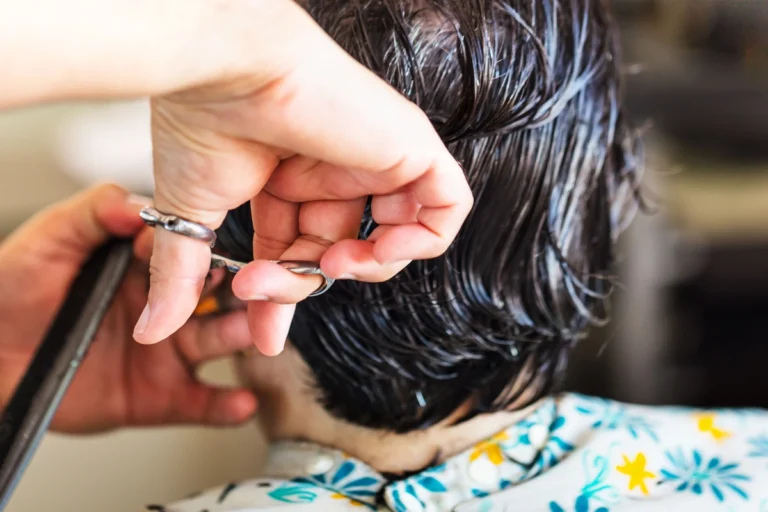
The confusion between wolf cuts, shags, and mullets is understandable, because all three share the same DNA: heavy layering, a shorter and fuller crown, and length that gets progressively longer toward the back. What separates a wolf cut from a classic 70s shag is the intensity of the layering — wolf cuts are cut with a razor or point-cutting technique that creates jagged, wispy ends rather than the smoother, more blended layers of a traditional shag. What separates it from a mullet is balance. A true mullet has a dramatic, almost binary contrast between short sides and long back; a wolf cut blends that contrast gradually, so there’s no single obvious “line” where short meets long. The layers build up in stages from the crown outward, which is what gives the style its shaggy, lived-in, slightly undone texture even on hair that’s naturally straight and sleek.
This matters practically because it tells you what to actually say to your stylist. Asking for “a wolf cut” without more context can get you anything from a subtle layered shag to an aggressive mullet-adjacent cut, depending on how that particular stylist interprets the trend. Bringing reference photos is still useful, but pairing them with your hair type and your face shape gives the stylist the information they actually need to adapt the cut instead of trying to force a straight-hair reference onto curly hair.
Wolf Cuts for Straight and Fine Hair
Fine, straight hair is often considered the hardest texture to pull a wolf cut off in, and there’s a real mechanical reason for that: the whole point of the cut is visible, separated texture, and fine straight hair naturally wants to lie flat and blend back together the moment you let it fall. This doesn’t mean fine-haired people should avoid the cut — it means the layering has to be more aggressive and more strategically placed than it would be on coarser or wavier hair. Stylists typically go shorter and choppier through the crown on fine hair specifically because that’s where volume is hardest to fake, and heavy, short layers at the root create the illusion of density that the hair doesn’t naturally have. The face-framing pieces are usually cut slightly longer and softer than the crown layers, which keeps the front from looking too severe against a thinner overall head of hair.

Styling fine, straight wolf cuts also depends more heavily on product and technique than most people expect. A texturizing spray applied to damp roots before blow-drying upside down builds the kind of lift that keeps the layers from collapsing by midday, and finishing with a flat iron used only on the ends — never dragged through the whole length — keeps the choppy pieces separated instead of smoothing them back into one flat sheet. Without this step, a wolf cut on fine straight hair can end up looking less like the shaggy, dimensional style in the photo and more like a regular layered haircut that’s simply lost its shape by noon.
Wolf Cuts for Wavy and Curly Hair
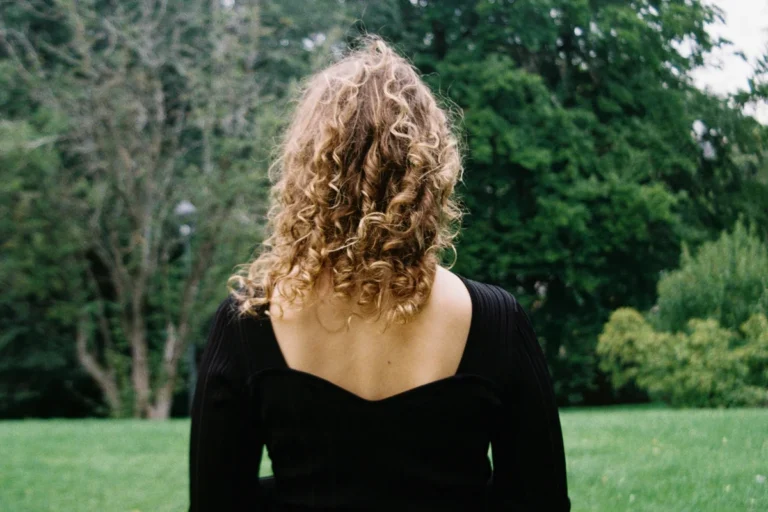
Wavy and curly hair is, in a lot of ways, the ideal canvas for a wolf cut, because the texture does a large part of the separation work on its own. Where straight hair needs the stylist to manufacture choppiness through cutting technique and the wearer to maintain it through styling, wavy and curly hair naturally breaks into pieces and creates the layered, undone look the cut is going for. The risk on this hair type runs in the opposite direction from fine hair: instead of the layers collapsing and looking too uniform, overly aggressive layering on curly hair can cause each layer to spring up independently and create a triangular or overly voluminous silhouette, especially through the sides. Stylists working on curly and wavy wolf cuts typically cut the hair dry, curl by curl, rather than cutting it wet and hoping the layers fall correctly once the curl pattern reasserts itself — wet-cutting curly hair is one of the most common reasons curly wolf cuts come out shapeless or uneven.

The density of the curl pattern also changes how much layering is appropriate. Looser waves (closer to a 2A-2B pattern) can generally handle the same kind of heavy, face-framing layering that works on straight hair, because the wave itself doesn’t add much extra volume on top of the cut. Tighter curls and coils, on the other hand, often look better with layering concentrated more toward the ends and less aggressively cut near the root, since the natural volume of tight curls already does the work that heavy root layering is trying to achieve on straighter hair. Getting this balance wrong is the single biggest reason curly wolf cuts sometimes read as “too much” rather than intentionally tousled.
Matching the Wolf Cut to Your Face Shape
Layered cuts in general are more forgiving of face shape than blunt, one-length cuts, because the layering itself creates movement that breaks up strong jawlines or wide foreheads. That said, where the heaviest layers and the shortest face-framing pieces land does make a measurable difference in how the cut reads on different face shapes, and this is one of the most commonly skipped conversations in a wolf cut consultation.

On round faces, the goal is generally to add length and angles rather than width, so face-framing layers that hit around the chin or slightly below tend to work better than shorter, chin-length pieces that can emphasize roundness. On square faces, softer, wispier ends around the jaw help break up the angularity of the jawline itself, which is why many stylists deliberately keep the ends of a wolf cut razor-cut rather than blunt-cut on square-shaped faces. Heart-shaped faces, which are wider at the forehead and narrower at the chin, generally benefit from layers that add width and fullness lower down near the jaw to balance the proportions, rather than heavy volume concentrated at the crown, which can make the forehead look even more prominent. Oval faces are the most flexible of all the shapes for this cut, since nearly any layering pattern tends to look proportionate, which is part of why oval-faced wolf cut photos tend to circulate the most online — they photograph well regardless of exactly how the layers are placed.
Styling and Maintaining a Wolf Cut Long-Term
A wolf cut is a genuinely high-maintenance style in the sense that it depends on regular trims to keep its shape — the whole design relies on layers hitting at specific, calculated lengths, and as hair grows out unevenly, those calculated lengths shift and the shagginess can start to look more like it’s simply growing out rather than intentionally styled. Most people maintaining a wolf cut are back in the salon chair every six to eight weeks, which is more frequent than most layered cuts require, specifically because the shortest crown layers grow out visibly faster than the eye adjusts to.

Day-to-day styling also tends to require more intentional effort than people expect from a cut that’s supposed to look undone. The “effortless” texture in wolf cut photos is almost always the product of a texturizing spray or dry shampoo worked through the roots, combined with either a diffuser attachment on curly and wavy hair or a one-inch curling wand used sparingly on straight hair — sparingly matters here, since repeated high-heat styling on the same choppy ends is a common way this cut leads to heat damage over time — to add just enough bend to individual pieces that the layers separate from each other instead of falling into one flat mass. Skipping this step is the most common reason a wolf cut looks great walking out of the salon and noticeably flatter within a week of the client styling it themselves at home.
Frequently Asked Questions
Is a wolf cut the same as a shag or a mullet?
They’re closely related but not identical. A shag has smoother, more blended layering; a mullet has a dramatic, sharply defined length contrast between the front and back; a wolf cut sits between the two, with heavy, choppy layering that builds up gradually rather than creating one obvious short-to-long line.
Does a wolf cut work on short hair, or only long hair?
It works on both, though the proportions shift. On shorter hair — closer to a bob or even pixie length — the “wolf” effect comes mainly from heavy texturizing and choppy ends rather than dramatic length variation, since there’s less overall length for the layers to build through. Longer hair gives the cut more room to show off the gradual buildup of layers that defines the style.
How much length do you actually lose getting a wolf cut?
This depends heavily on your starting length and how heavily layered you want the result, but because the cut relies on shorter layers concentrated at the crown, most people lose more visible length at the top of the head than at the ends, even though the overall hemline may only be trimmed slightly.
Can fine hair handle this much layering without looking thin?
Yes, but the placement matters more on fine hair than on any other texture. Layers need to be cut shorter and more concentrated at the crown specifically to build the illusion of density, and — much like managing frizz and porosity on fine strands — the cut generally needs more styling effort day-to-day to keep that illusion intact.
The Real Takeaway
The wolf cut photos that circulate the most widely are almost never a universal template — they’re a specific combination of hair texture, density, and face shape that happened to photograph well, and trying to replicate that exact combination on different hair usually leads to disappointment. The far more useful approach is to understand the mechanics of what the cut is actually doing — heavy, staged layering that builds volume at the crown and choppy, face-framing pieces toward the front — and then have an honest conversation with your stylist about how those mechanics should be adjusted for your specific hair. Done that way, a wolf cut stops being a gamble based on a photo and becomes a haircut that’s actually built around the hair you have.
If you’re maintaining color or dealing with breakage alongside a heavily layered cut like this, our hair care tips library covers the routines that keep textured ends looking healthy between trims.
2 Comments