Hair Breakage: Causes, How to Tell Them Apart and What Helps
Most hair breakage advice tells you to “deep condition more” and stops there. That’s not wrong, exactly — it’s just incomplete. Breakage isn’t one problem with one fix. It’s your hair’s structure failing at a weak point, and that weak point is different depending on what’s causing it. A conditioning mask helps hair that’s dry. It does almost nothing for hair that’s breaking because of over-tight ponytails or because you brushed it wet with the wrong brush.
This guide walks through what breakage actually is, the specific things that cause it, how to tell which one applies to you, and what to do about each — not a generic routine, but the fix that matches your actual cause.
This is a deep dive into one specific concern. For a full routine built around your hair type, main concern, and styling habits, see our complete hair care tips guide. If scalp health is part of what’s driving your breakage, our Scalp Care Routine guide covers that specific piece in more depth, and if heat styling is a factor too, our Heat Damage: Repair and Prevention guide covers that specifically.
Breakage Is Not Hair Loss — And Mixing Them Up Wastes Your Time
Before anything else, separate these two, because the fixes don’t overlap.
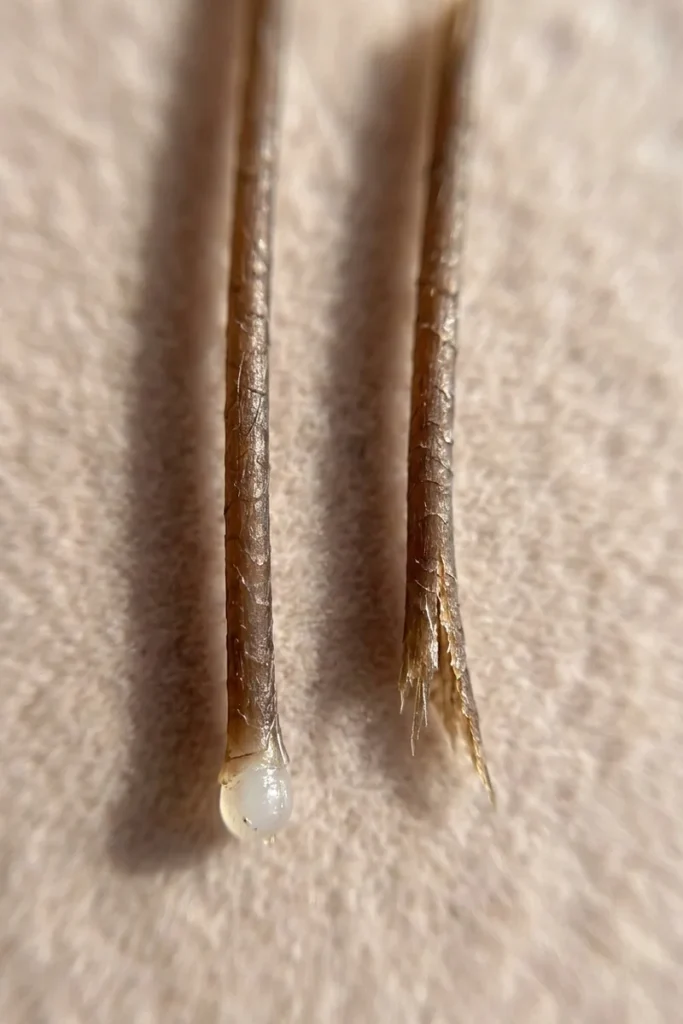
Hair loss happens at the root. Strands fall out with the bulb (the small white or clear tip) still attached, and it’s driven by what’s happening at your scalp and follicle — hormones, stress, genetics, certain medications, or scalp conditions.
Hair breakage happens along the shaft. The strand snaps somewhere in the middle or near the end, with no root or bulb attached, because that section of hair has physically weakened and can no longer take the stress being put on it.
A fast way to check which one you’re dealing with: look at the hair collecting in your brush or shower drain. Short pieces of varying lengths, some with a slightly curled or frizzy end and no white tip — that’s breakage. Longer, full-length strands with a small bulb at one end — that’s shedding from the root, and it points to a different set of causes than the ones below.
This article is about breakage. If what you’re seeing is root loss instead, that’s worth a conversation with a dermatologist rather than a change in your hair care routine.
The Real Causes of Breakage
Breakage happens when the hair shaft is put under more stress — mechanical, chemical, or structural — than it can currently handle. Here’s what that actually looks like in practice.
1. Mechanical Stress From Styling
This is the most common cause, and the easiest to miss because it feels harmless in the moment.
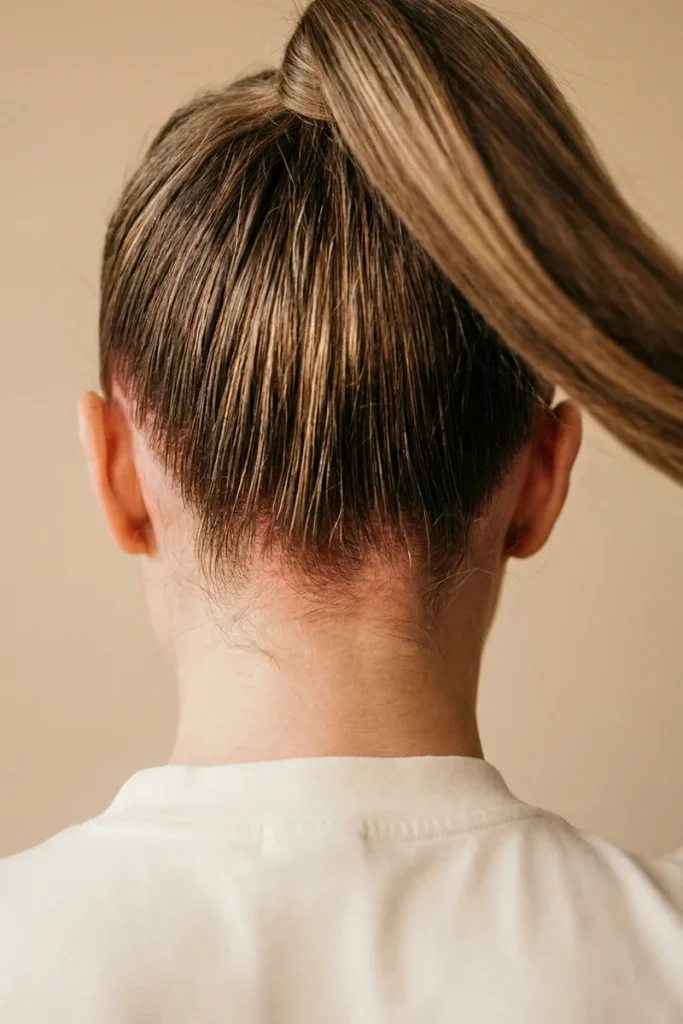
Tight hairstyles worn often. High ponytails, tight braids, buns pulled taut at the same point every day — these put repeated tension on the same section of hair (and often the same section of scalp). Over time, the strands at that tension point thin out and snap. If you’ve noticed breakage concentrated around your hairline or the spot where your ponytail elastic sits, this is very likely the cause.
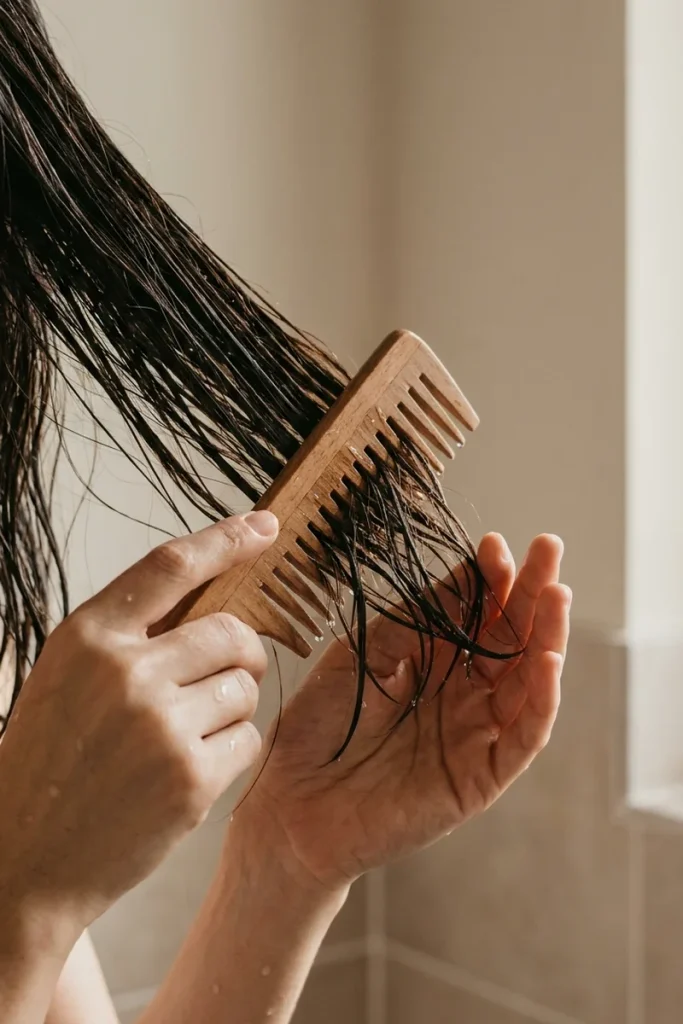
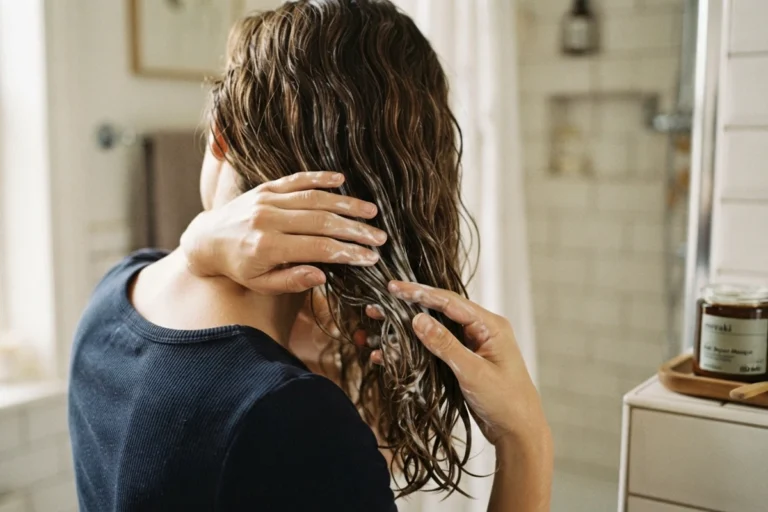
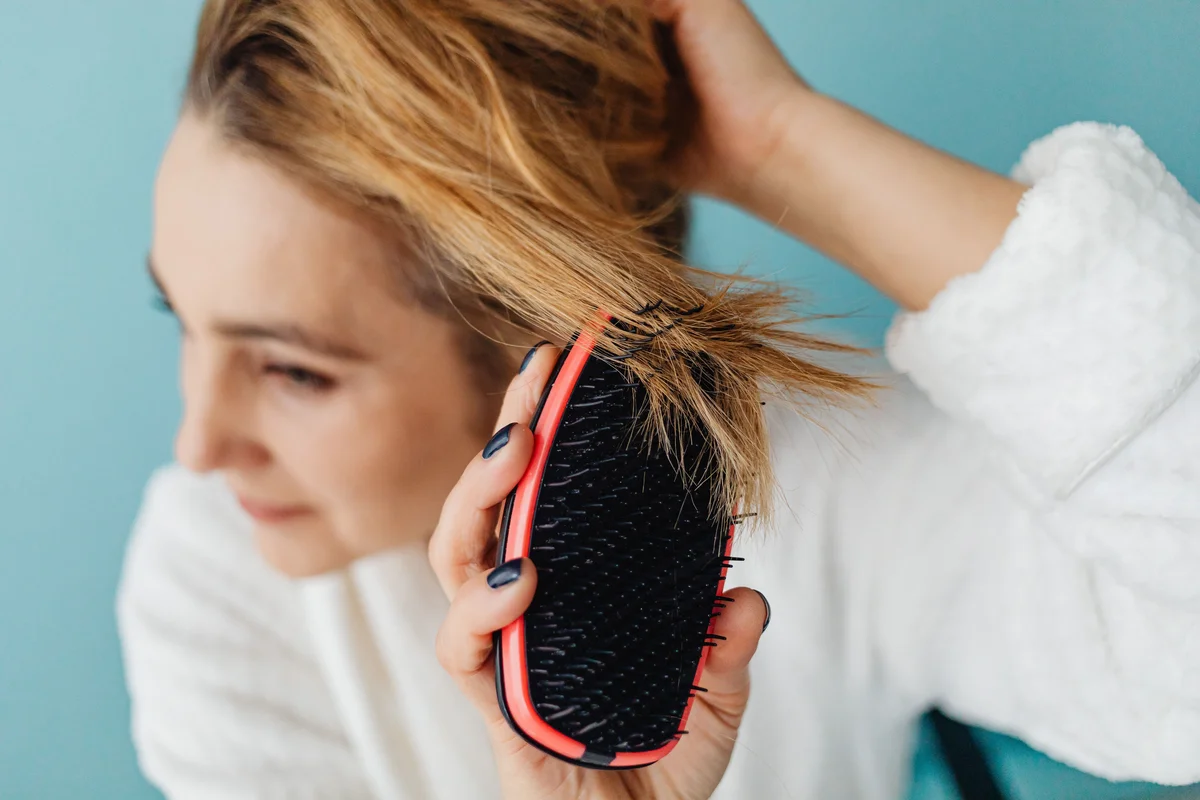
Brushing or combing hair while it’s wet. Wet hair stretches further before snapping than dry hair does, and it snaps more easily under the same amount of force. Detangling wet hair with a standard brush, starting from the roots, is one of the most reliable ways to cause breakage — especially on longer or textured hair.
Rough towel-drying. Rubbing hair vigorously with a regular towel roughs up the outer layer of each strand (the cuticle). Once that outer layer is lifted or damaged, the strand is more exposed to everything else on this list.
Heat styling without protection. Flat irons, curling irons, and blow dryers used at high heat, especially daily, gradually break down the protein structure inside the hair shaft. This doesn’t just dry hair out — it makes the strand physically more brittle, so it snaps under normal handling that wouldn’t have affected it before.
2. Chemical Processing
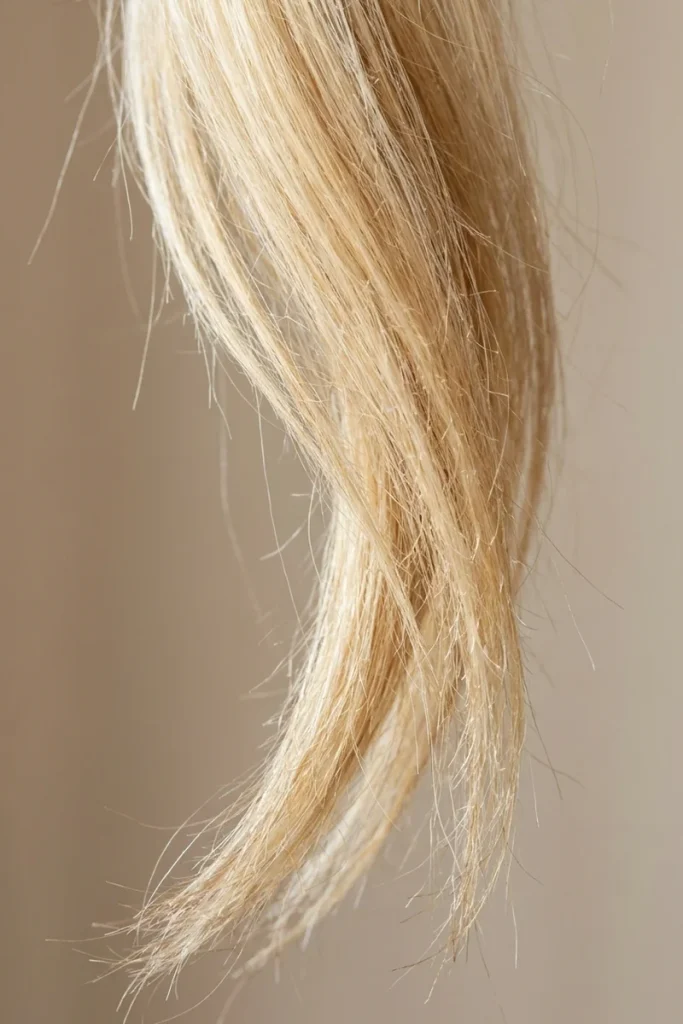
Coloring, bleaching, relaxing, and perming all work by changing the internal structure of the hair strand — that’s how they get the hair to hold a new color, texture, or shape. The tradeoff is that this same process weakens the strand’s structure.
The risk isn’t the occasional color treatment. It’s stacking processes — bleaching and then relaxing, or coloring on top of hair that hasn’t fully recovered from the last treatment — and it’s over-processing, where color or relaxer is left on longer than needed or applied more often than the hair can handle. If breakage started shortly after a color or chemical service, this is almost certainly the cause, and it needs a recovery period rather than a routine tweak.
3. Nutritional and Health Factors
Hair is made almost entirely of a protein called keratin, and building healthy new hair requires a steady supply of protein, iron, and other nutrients. When intake of these is consistently low, the hair your body produces comes in structurally weaker — thinner strands with less tensile strength, more prone to snapping even under normal handling.
This cause looks different from the others: instead of breakage concentrated at one point (like a ponytail line), it tends to show up as overall increased shedding of shorter, weaker-feeling strands across your whole head, sometimes alongside dry skin, brittle nails, or fatigue. If that pattern matches what you’re seeing and nothing in your styling routine has changed recently, it’s worth looking at diet and, if it persists, getting bloodwork done rather than assuming it’s a product problem.
4. Product and Moisture Imbalance
Hair that’s low on moisture becomes dry and brittle and snaps easily. Hair that’s low on protein (or has too much protein without enough moisture) becomes stiff, straw-like, and also snaps easily — but for the opposite underlying reason. This is why “just use more protein treatments” sometimes makes breakage worse instead of better: if your hair’s actual problem is dryness, adding more protein pushes it further out of balance.
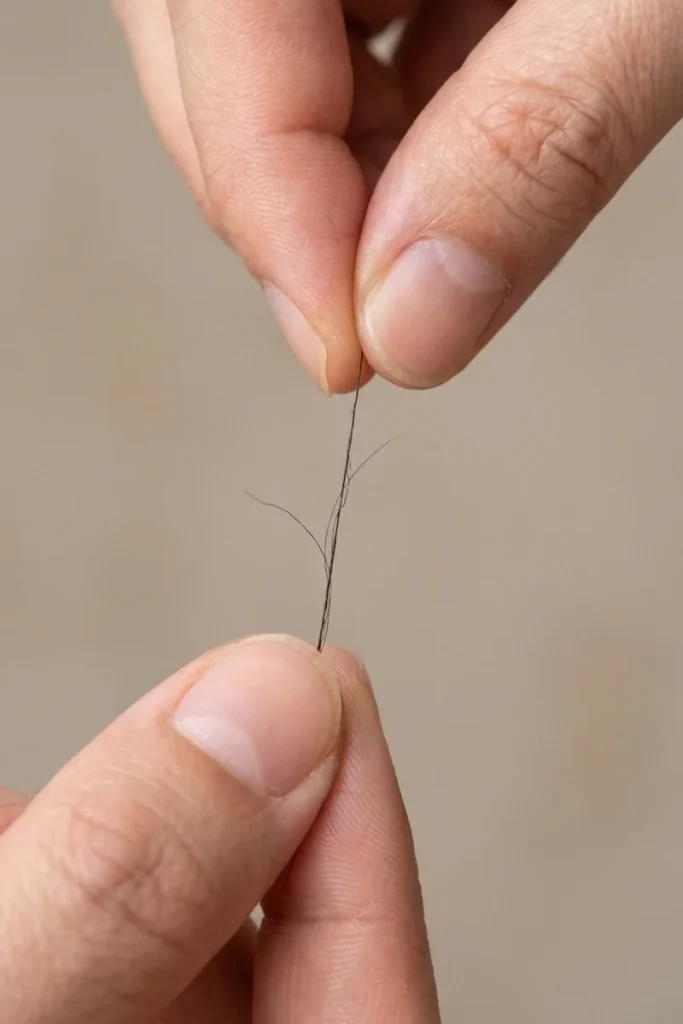
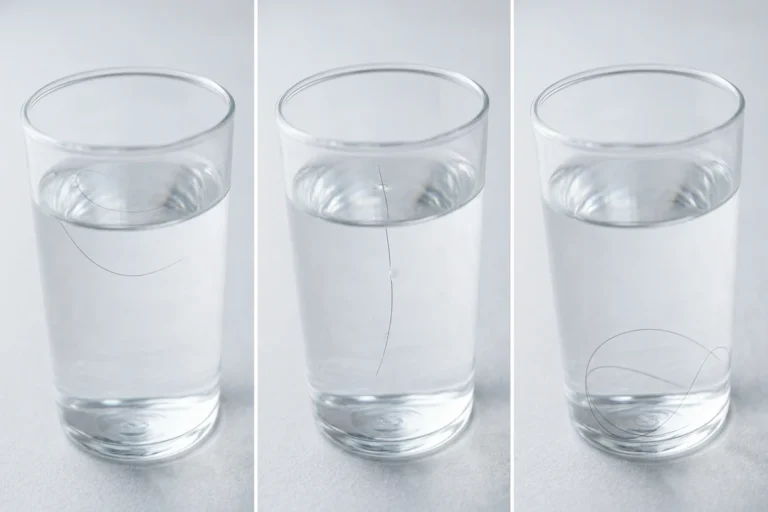
A simple way to tell which one you’re dealing with: take a single strand of dry hair and stretch it gently.
- If it stretches noticeably before snapping and doesn’t spring back — it’s likely moisture-deficient.
- If it feels stiff, snaps almost immediately with very little stretch, and feels rough or straw-like when dry — it’s likely protein-overloaded or simply needs more moisture, not more protein.
What Actually Stops It — Matched to the Cause
Generic advice says “deep condition weekly.” Here’s what to do based on which cause above actually applies to you.
If it’s mechanical stress from styling: Loosen tight hairstyles, and change the tension point occasionally rather than pulling from the exact same spot daily. Detangle hair before it’s fully saturated with water, starting from the ends and working up to the roots — never root to end. Switch from a standard towel to a microfiber towel or a clean cotton t-shirt, and blot rather than rub. Use a heat protectant every time you use hot tools, and keep the temperature as low as still gets the job done.
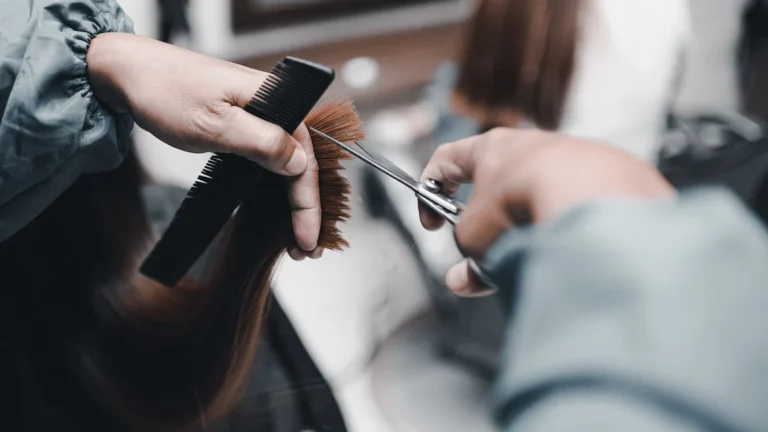
If it’s chemical processing: Space out chemical services and avoid stacking two aggressive processes close together. Ask your stylist about strand tests before major changes if your hair has been processed before. In the recovery period, prioritize deep, penetrating conditioning treatments (not just leave-in surface products) and consider a trim to remove the most compromised, already-weakened ends.
If it’s nutritional: Focus on consistent protein intake and iron-rich foods, since these are the building blocks your body uses to grow new hair. Improvement here is gradual — new hair grows in stronger, but it takes time for that healthier hair to become a visible portion of your length. If shedding is significant or paired with other symptoms, a bloodwork check for iron and thyroid levels is more useful than any product change.
If it’s moisture/protein imbalance: For moisture-deficient hair, focus on hydrating conditioners, leave-in products, and sealing oils, and cut back on protein treatments for a few weeks. For protein-overloaded or genuinely protein-deficient hair, a protein treatment followed immediately by a deep moisturizing conditioner (the “protein-moisture balance” method) tends to work better than either alone.
When to See a Professional Instead
Most breakage responds to the changes above within a few weeks to a couple of months, since hair that’s already broken has to grow out — nothing “fixes” already-snapped ends, but new growth coming in healthier is the sign it’s working. See a dermatologist or trichologist if breakage is sudden and severe, if it’s paired with visible scalp irritation, redness, or bald patches, or if you’re also seeing signs of root-level shedding rather than mid-shaft breakage. Those patterns point to something a hair care routine alone can’t fix.
The fastest way to slow breakage isn’t a new product — it’s figuring out which of the four causes above actually applies to you, and stopping that specific stress before it keeps happening.