
Hairstyles for Greasy Hair: 13 Styles Sorted by How Long Since You Washed
Hairstyles for greasy hair work in one of two ways: they hide the oily parts, or they make the shine look deliberate. Which one you need depends on how long it has been since you washed. On day two, a new part or a little texture is usually enough. By day four, the roots need covering or slicking back on purpose.
This guide sorts thirteen styles by day, starting with the spots where oil shows first and how to use dry shampoo so it absorbs instead of sitting on top. Each style says what it hides, and there are separate fixes for curly hair, bangs and short cuts.
Where Greasy Hair Shows First
Oil spreads from the scalp down the hair, so it shows first wherever the scalp is easiest to see or the hair lies flattest.
| Spot | Why it looks oily | Styles that hide it |
|---|---|---|
| Part line | Scalp shows on both sides and the roots lie flat | Flipped part, half-up twist, headband |
| Crown | Hair is flattened by sleep, hats and chair backs | Claw clip twist, top knot, braids |
| Hairline and bangs | Skin oil and touching your face reach them first | Headband, scarf, washing just the bangs |
| Lengths | Usually fine until day three or four on straight hair | Sleek bun, slicked-back ponytail |
Fine and straight hair shows oil fastest, because oil travels down smooth strands easily. Coarse, curly and coily hair often looks fresh for longer at the lengths, though the roots can still get oily.
How to Use Dry Shampoo So It Works
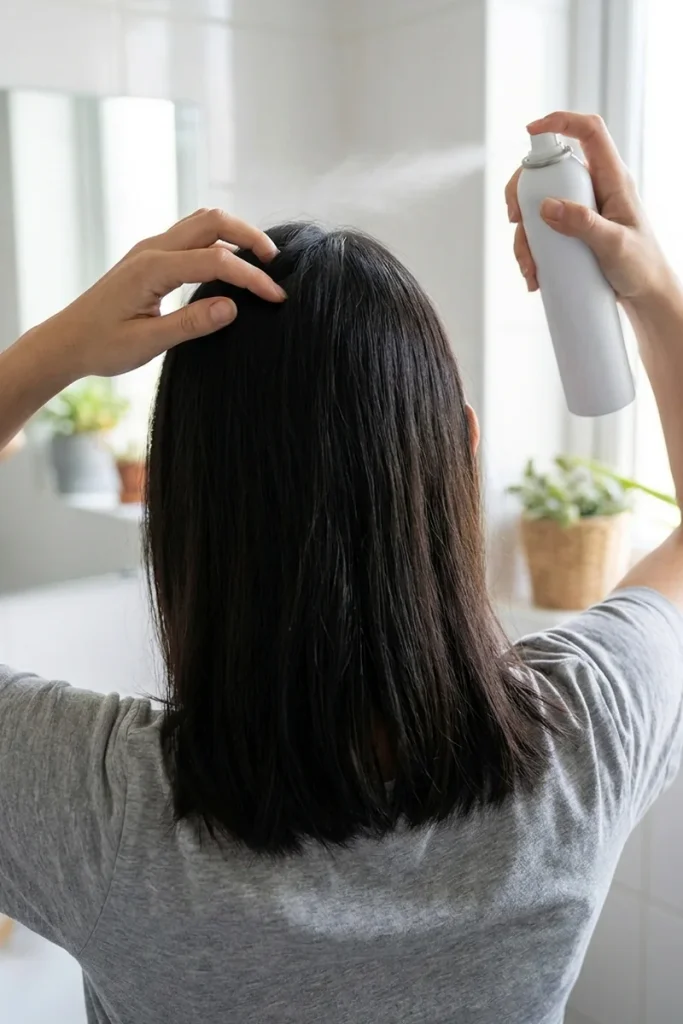
Dry shampoo absorbs oil at the roots; it doesn’t clean the scalp. Used this way, it lasts longer and leaves less residue:
- Section the hair along the part and across the crown, where oil shows first.
- Spray the roots only, holding the can at the distance on the label, usually about 6 inches away.
- Wait a few minutes before touching it so the powder can absorb the oil.
- Massage with your fingertips, then brush through to remove any extra powder.
Two habits help. Applying it at night lets it absorb while you sleep, so the roots look fresher in the morning. On dark hair, a tinted formula avoids a grey cast at the part. Wash it out within a few days, because layer on layer of powder builds up on the scalp. If your scalp is often oily, itchy or flaky, our scalp care routine matches washing to your scalp type.
Day 2: Light Shine at the Roots
1. Flipped Part
Move your part to the other side, or make a soft zigzag part with the tail of a comb. The roots that were lying flat now stand up, and the new part line shows hair that hasn’t been pressed against the scalp. It takes ten seconds and works on every length.
Hides: An oily part line.
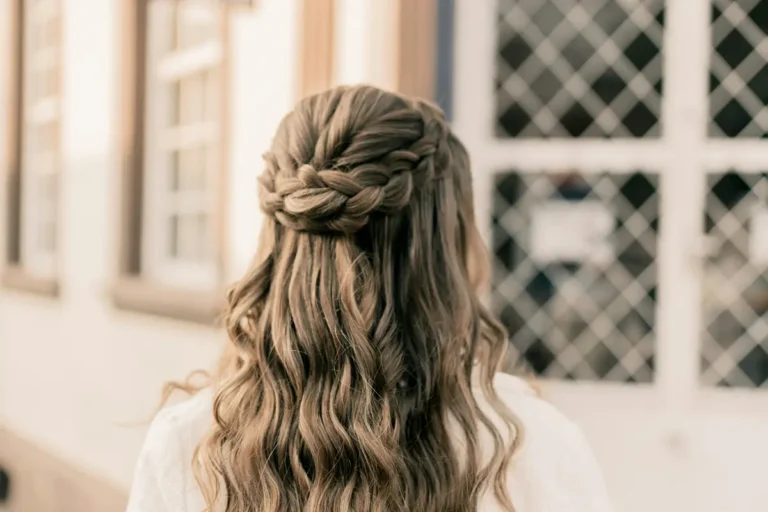
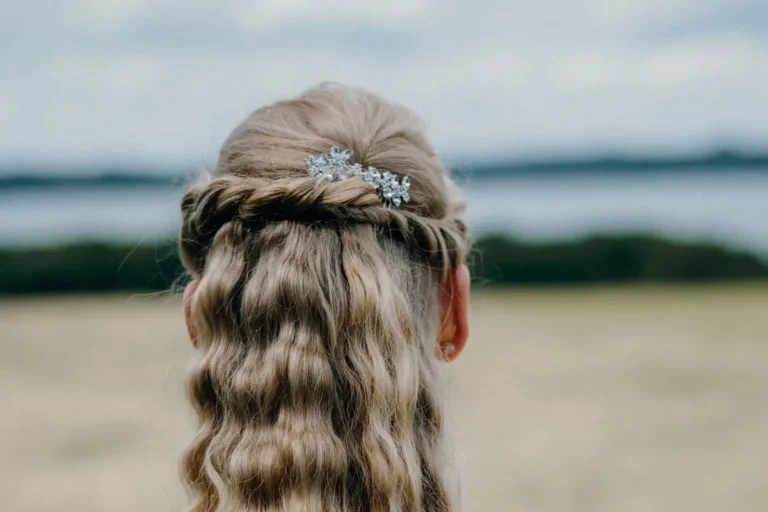
2. Textured Half-Up Twist
Spray dry shampoo at the crown, then take the top section from the temples back, twist it once and pin or clip it. The lift at the crown keeps the roots off the scalp and the twist covers the flattest area. Our half up half down hairstyles show other ways to secure the top.
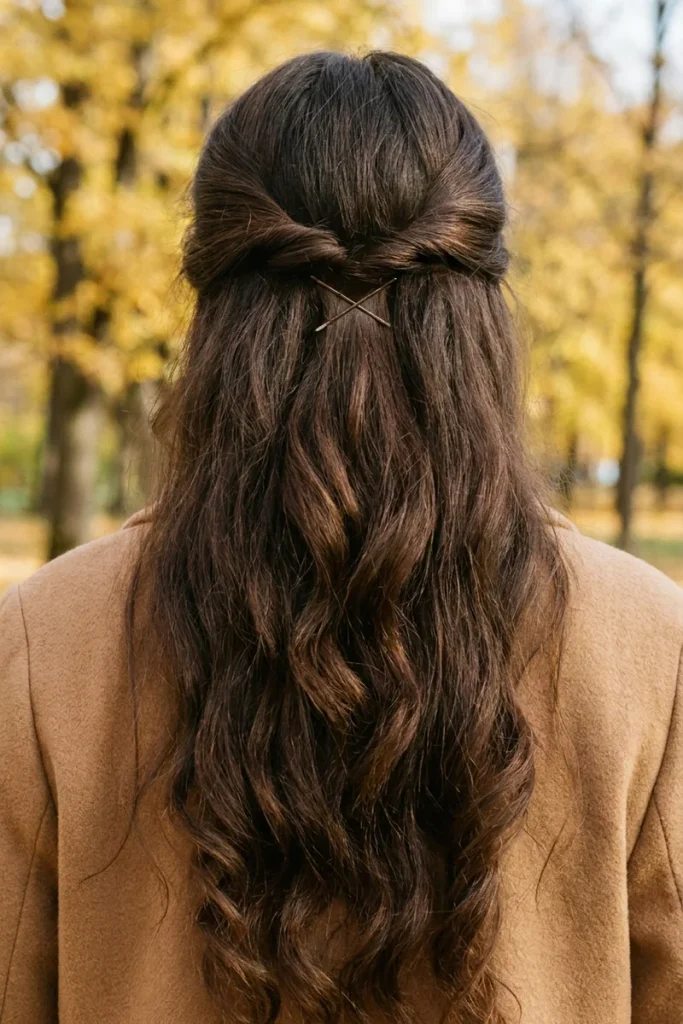
Hides: The crown and the part.
3. Claw Clip Twist
Second-day hair has more grip, so a claw clip twist holds better than it does on freshly washed hair. Gather the hair, twist once, lift it against the back of the head and clip it at the base. Our guide to claw clip hairstyles has a chart for picking the clip size.
Hides: The crown and the lengths.
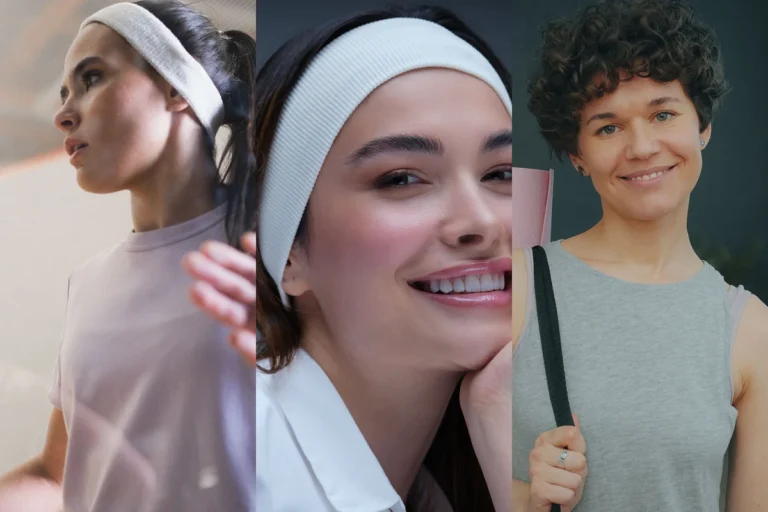
4. Headband Push-Back
A wide padded or fabric headband covers the first inch or two behind the hairline, which is where oil shows most on day two. Push it on from the nape forward, then slide it back into place so the roots underneath lift slightly.
Hides: The hairline and the front of the part.
Day 3: Oily Roots You Can See
5. Sleek Low Bun
Instead of fighting the shine, use it. Brush the hair back smoothly with a boar-bristle brush, which spreads the oil into a polished finish, tie a low ponytail and wrap it into a bun. On day three the hair holds the smooth shape with less product than clean hair would need. See our bun hairstyles for other ways to build the bun.
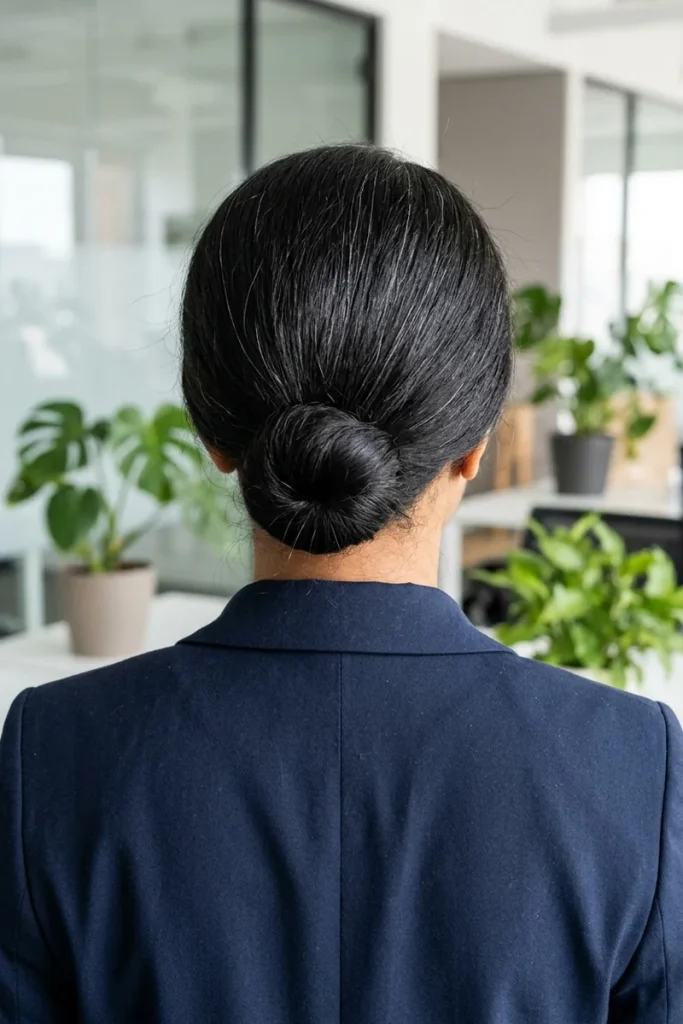
Hides: Roots and lengths, by making the shine look intentional.
6. Slicked-Back Low Ponytail
Smooth a little gel or styling cream over the top, brush everything back without a part and tie a low ponytail. Wrap a strand around the elastic for a finished look. The oil at the roots blends into the slicked finish. Our ponytail hairstyles show how to wrap the base.
Hides: The part, crown and hairline.
7. Dutch Braids
Braids hide roots by covering the scalp with texture, and day-three hair grips well enough that the braids stay tight. Two Dutch braids from the hairline to the nape cover almost the whole head. Our Dutch braid hairstyles explain the technique.
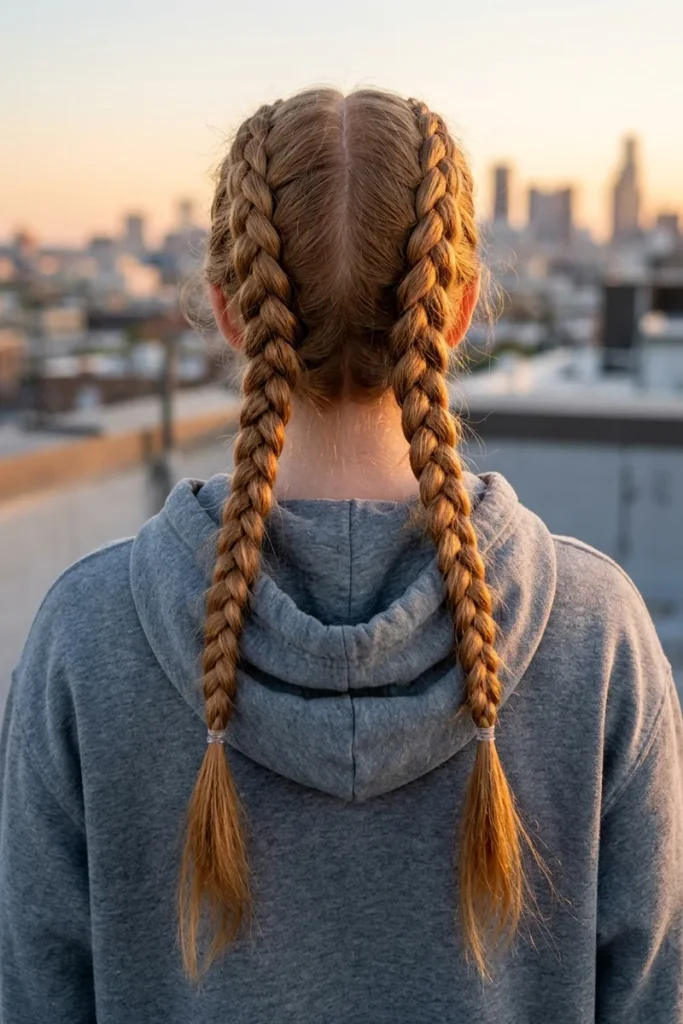
Hides: The whole scalp, from hairline to nape.
8. Messy Top Knot With Face-Framing Pieces
Pile the hair on top of the head and wrap it into a loose knot, then pull out two thin pieces at the front. The volume at the top keeps roots off the scalp, and the loose pieces soften the look so it reads as a style rather than a cover-up.
Hides: The crown and lengths. The front pieces show some oil, so add dry shampoo to them first.
Day 4 and Beyond: Very Oily Hair
9. Silk Scarf Wrap
Fold a large silk or satin scarf into a band, place it at the hairline and tie it at the nape under the hair, or wrap it around the head and knot it at the top. It covers the hairline and most of the top of the head, and works with a bun, a ponytail or hair left down.
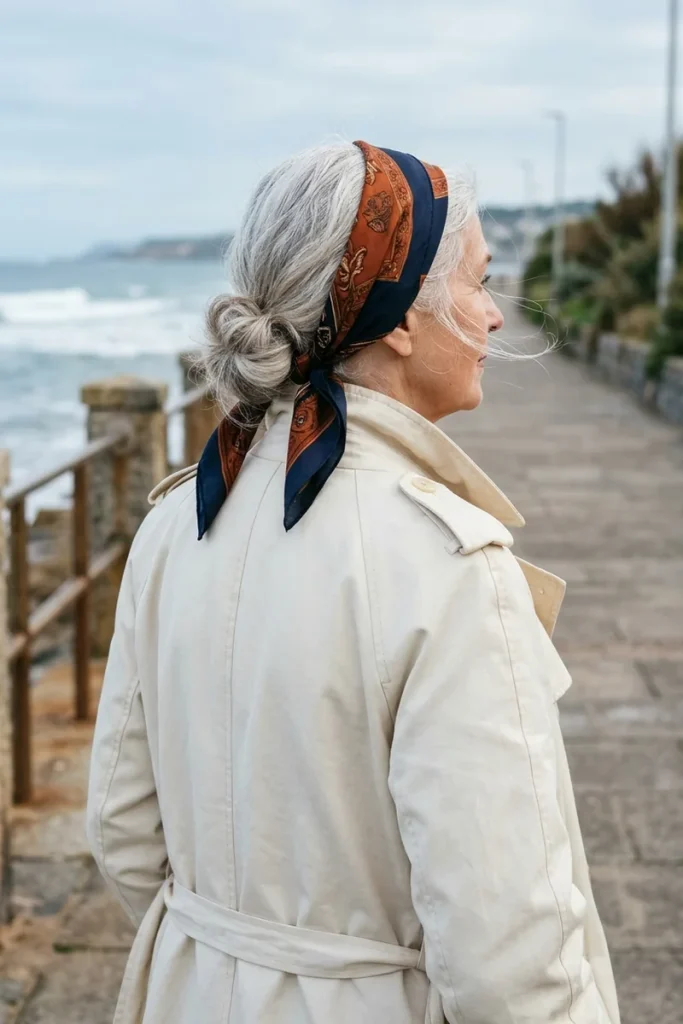
Hides: The hairline, part and crown.
10. Wet-Look Slick Back
Work a glossy gel through damp roots and comb everything straight back, or into a low bun. The wet look makes oily hair look deliberate, and it suits short and medium lengths as well as long hair.
Hides: All of it, by making the shine part of the style.
11. Low Braided Bun
Tie a low ponytail, braid it and wrap the braid into a bun at the nape. Very oily hair is slippery, and a braid gives the pins something to grip. Keep the top smooth with a brush so the roots look polished.
Hides: The lengths and crown.
If you are reaching day four often, the style is only part of the answer. Washing is the most reliable way to clear oil and keep the scalp comfortable.
For Curly Hair, Bangs and Short Cuts
12. Pineapple and Refresh for Curls
Curly and coily hair often looks fresh at the lengths but oily at the roots. Gather the curls loosely on top of the head in a pineapple and add dry shampoo or a light root powder only along the hairline. Mist the lengths with water and scrunch to bring back the shape. Our guide to curly hairstyles by curl type covers refresh routines by curl pattern.
Hides: The roots, while keeping curls defined.
13. Wash Just the Bangs, or Push Back a Short Cut
Bangs get oily first because they sit on the forehead. Lean over the sink, wash only the bangs with a little shampoo, and blow-dry them in a minute. For a pixie or short bob, push the hair back or to the side with a little paste so the roots stand up. Our curtain bangs guide shows how to blow-dry bangs into shape.
Hides: The hairline and bangs.
Why Some Hair Gets Greasy Faster
How much oil the scalp makes depends largely on genetics and hormones, but a few daily habits make it show sooner:
- Fine, straight hair lets oil travel down the lengths quickly.
- Conditioner or oils applied to the roots instead of the lengths.
- Touching or pushing hair back with your hands.
- Hats and beanies, which press the roots flat and trap warmth.
- Sweat from workouts.
- Brushes and pillowcases that aren’t cleaned often.
In winter, hats make the crown look oily sooner; our hat and beanie hairstyles include a quick fix for flat roots when the hat comes off. If oiliness comes with redness, itching or yellow flakes, see a dermatologist, since these can be signs of a scalp condition rather than a washing schedule.
Greasy Hair FAQ
How long can I go without washing my hair?
It depends on your scalp and hair type. Many people with fine or straight hair wash every day or two, while curly and coily hair can often go several days or longer. Wash when your scalp itches, smells, feels uncomfortable or starts to flake, whatever the day count.
What are the best hairstyles for greasy hair?
On day two, a flipped part, a half-up twist or a headband is usually enough. By day three or four, hairstyles for greasy hair that slick the hair back or cover the scalp work best: sleek buns, slicked-back ponytails, braids and scarf wraps.
Is dry shampoo bad for your hair?
Used now and then, it is a convenient way to absorb oil between washes. Problems come from layering it for many days without washing, which leaves powder and oil on the scalp. Wash it out regularly and don’t use it in place of shampoo.
Will washing less make my hair less greasy?
There is little evidence that skipping washes trains the scalp to make less oil. Some people find their hair looks better between washes once they change products or styles, but oil production is mostly set by genetics and hormones.
Why does my hair get greasy faster in winter?
Hats and scarves press the roots flat and warm the scalp, and people often wash less in cold weather. Our winter hair care guide covers how to adjust washing and conditioning for the season.
Picking a Style by Day
The simplest way to choose hairstyles for greasy hair is to count the days. Day two needs a fresh part or some lift at the crown. Day three is the time for sleek buns, slicked ponytails and braids that make the shine look planned. By day four, cover the hairline with a scarf or go for a wet look, and plan a wash. Use dry shampoo at the roots the night before, and keep conditioner on the lengths, not the scalp.