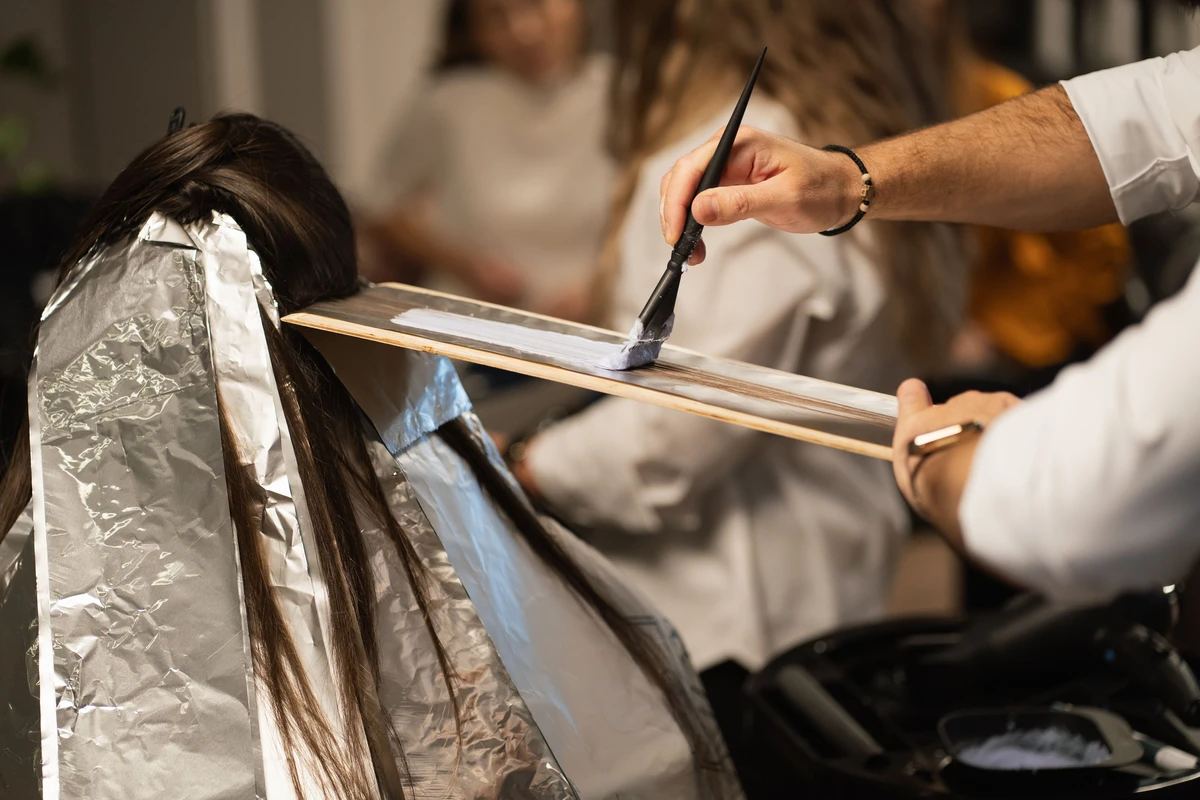
Hair Color Ideas Matched to Your Skin’s Undertone
Scrolling through hair color photos is the easy part. The hard part is the fact that a shade can look incredible on someone else and genuinely wrong on you — not because of taste, but because their skin undertone, their starting hair color, or their willingness to sit in a salon chair every six weeks is completely different from yours. A color choice that ignores any of those three things tends to end the same way: a color you loved in the photo and regretted by week three.
This guide skips the flat scroll-and-pick approach. Instead, it groups color ideas around the three things that actually determine whether a shade will work for you: your skin’s undertone, how much upkeep you’re honestly willing to commit to, and the base color you’re starting from.
Nineteen ideas, not sixteen — because a few genuinely distinct options (a full platinum change, a brown-blonde bridge color, and gray blending for anyone easing into their natural silver) don’t fit neatly under highlights alone, and cutting them just to hit a round number would leave real gaps.
Before You Book: Three Things to Get Honest About
Your undertone, not your skin’s overall depth. Warm, cool, and neutral undertones exist at every skin depth — fair, medium, and deep skin can each be warm, cool, or neutral. The quickest check: if the veins on your wrist look more green, you’re likely warm; more blue or purple, you’re likely cool; a mix of both usually means neutral.
How often you’re actually willing to sit in a chair. Some colors grow out so gradually that a missed appointment barely shows. Others develop a visible root line within three weeks. Be honest about your real schedule, not the one you’d have in an ideal world.
Where your hair is starting from. Going lighter than your natural base almost always means some degree of lightening first, and the more dramatic the jump, the more that process can affect hair health. Going darker is usually far more forgiving.
Matched to Skin Undertone
1. Caramel Highlights — Warm Undertones
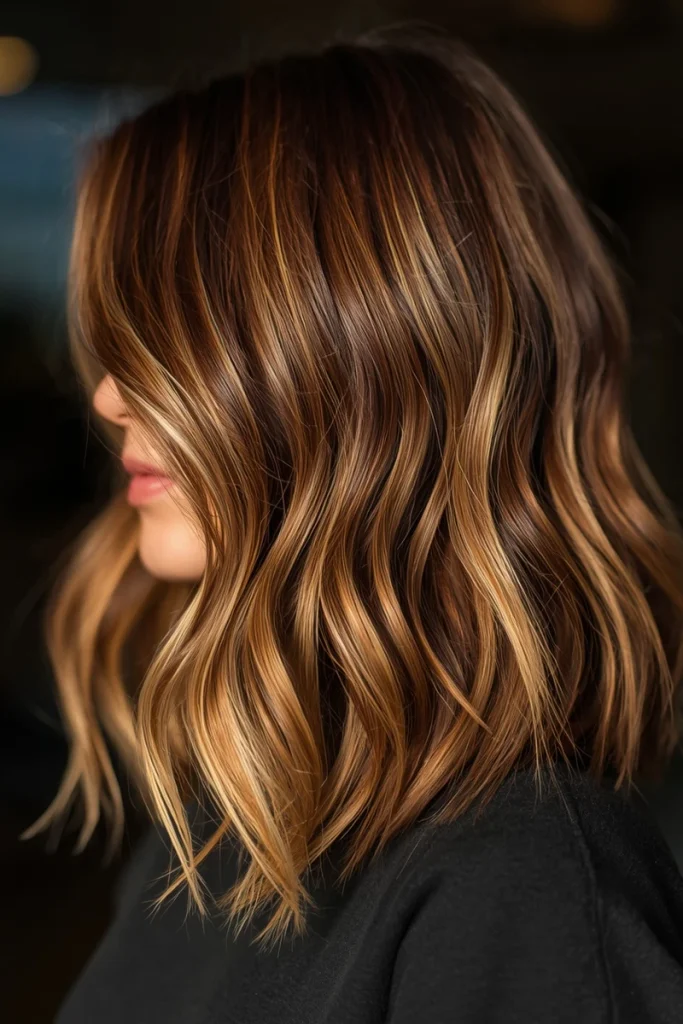
What it is: Golden-brown highlights placed through the mid-lengths and ends, a shade or two lighter than the natural base, with warmth built into the tone rather than added on top of it.
Warm undertones and caramel highlights share the same golden foundation, which is why this combination rarely looks like it’s fighting the skin. Rather than sitting on top of the complexion, the color seems to come from the same place as it — the effect people usually describe as a natural, sun-warmed glow.
Ask your colorist for: a warm-toned foil or balayage service using gold-based caramel or honey-toned lightener, specifically avoiding ash toners that would neutralize the warmth.
2. Ash Blonde Highlights — Cool Undertones
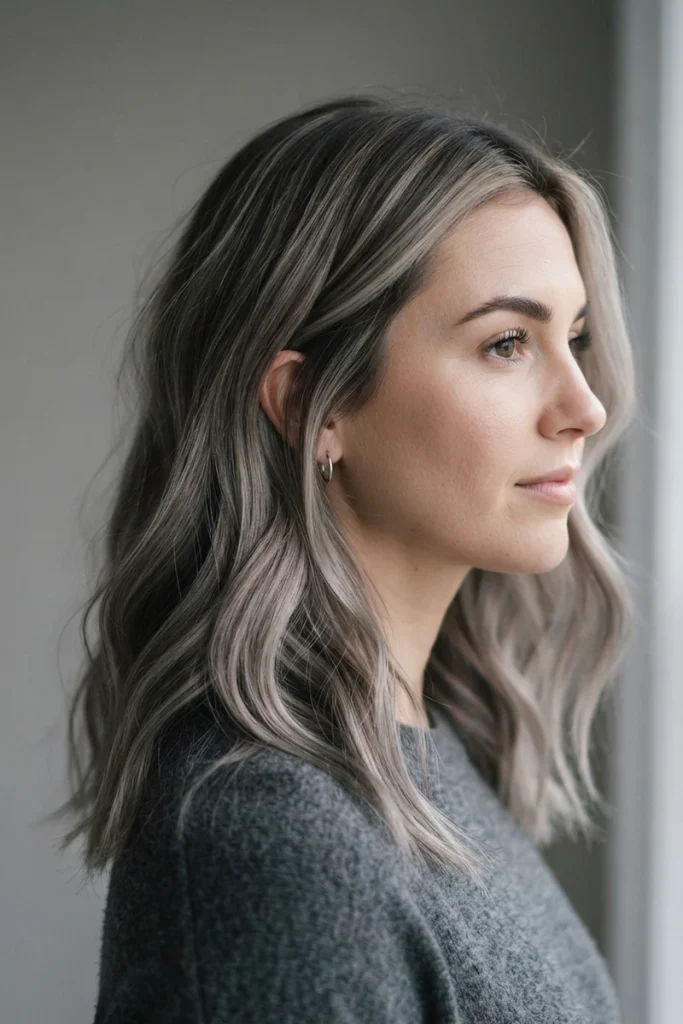
What it is: Blonde highlights toned with a smoky, muted base rather than a golden one, keeping the lightened sections cool rather than warm or brassy.
Cool undertones tend to look washed out next to warm gold tones, but ash blonde works with that same coolness instead of against it. The muted, smoke-toned finish reads as sophisticated rather than flat, which is the balance ash tones can miss when applied to the wrong undertone.
Ask your colorist for: a violet- or blue-based toner after lightening to neutralize any underlying warmth, plus a purple shampoo for at-home maintenance between salon visits.
3. Honey Blonde Highlights — Neutral to Warm Undertones
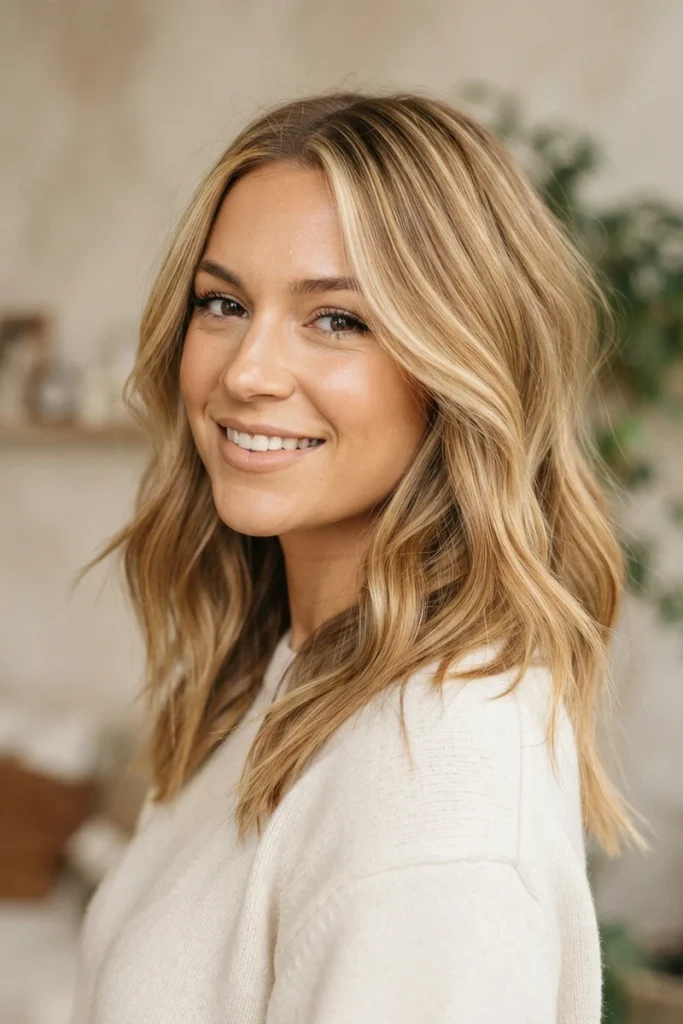
What it is: A softer, warmer take on blonde than ash — golden without tipping into brassy — placed to catch the light through the crown and face-framing pieces.
Honey blonde sits in the middle ground between ash and caramel, which makes it one of the more forgiving highlight shades for undertones that aren’t clearly warm or clearly cool. It reads as brightness more than a dramatic color change, which is part of why it photographs so naturally in daylight.
Ask your colorist for: a gold-based blonde lightener with minimal ash toning, placed with a focus on face-framing pieces rather than an all-over application.
4. Rose Gold Highlights — Cool or Pink Undertones
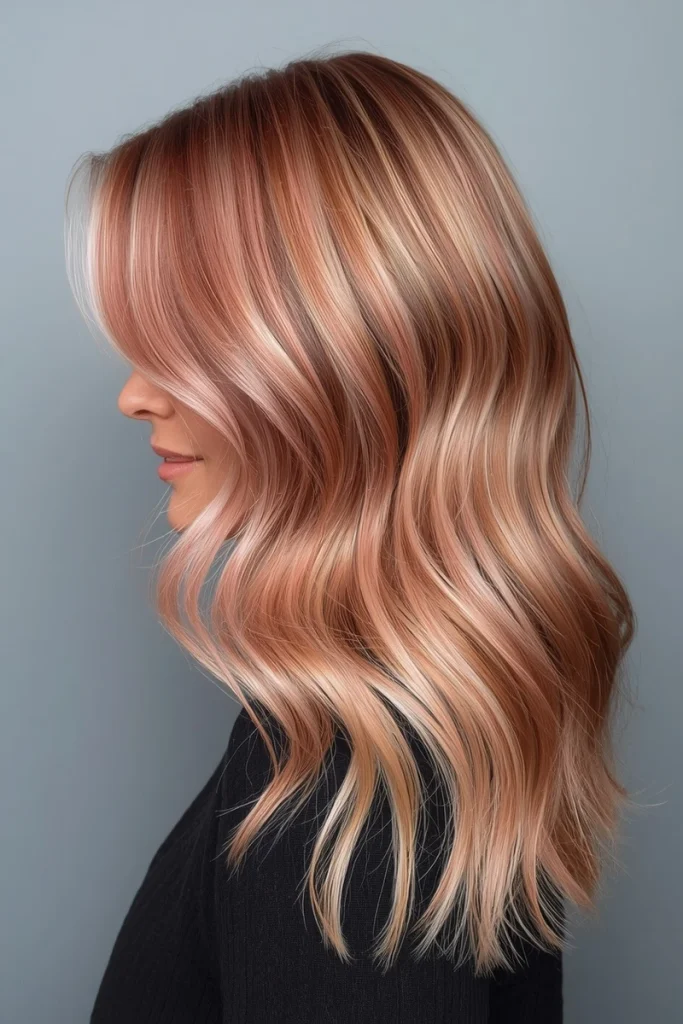
What it is: A blend of soft pink and gold tones layered over a lightened base, landing somewhere between a fashion color and a natural highlight.
Rose gold works best on undertones with any pink or cool cast already present in the skin, since the color amplifies something that’s already there rather than introducing an unrelated tone. On darker bases, it shows up as a subtle sheen; on already-light hair, it reads as a clear, deliberate color statement.
Ask your colorist for: a demi-permanent rose gold gloss over pre-lightened sections, since this tone fades faster than permanent color and benefits from a gloss refresh every few weeks.
Matched to Maintenance Commitment
5. Dark Brown Balayage
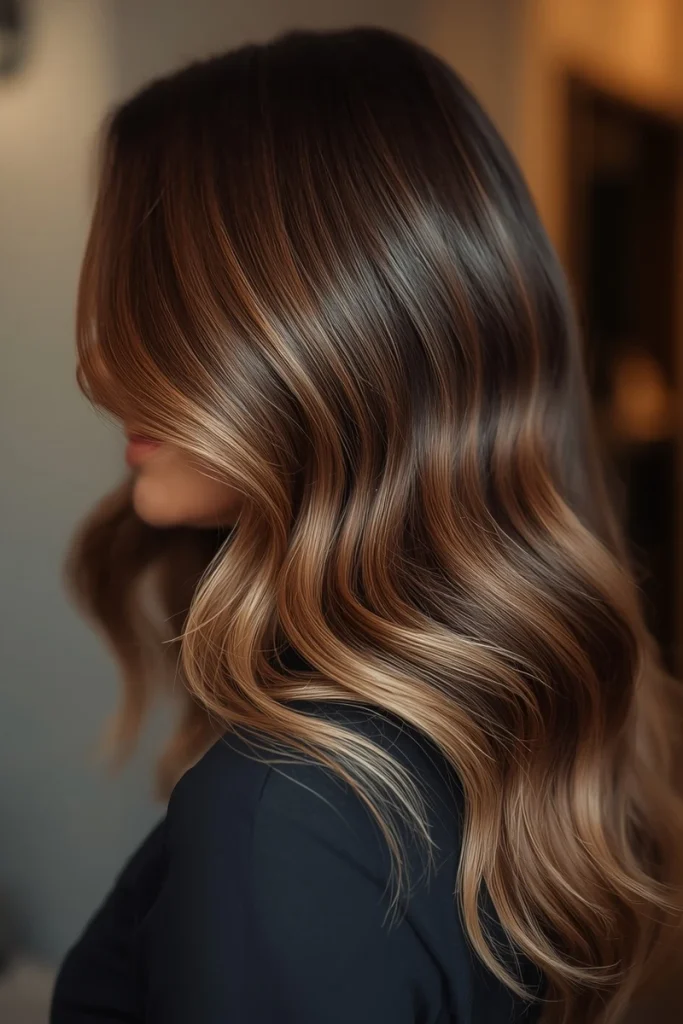
What it is: A hand-painted technique that graduates from a deep root to slightly lighter, richer brown ends, avoiding the harsh line that grows out visibly.
Balayage was built to solve the exact problem high-maintenance color creates — this version specifically keeps the color close enough to a natural dark base that regrowth blends rather than announces itself. It’s the option for anyone who wants dimension without a standing eight-week appointment.
Ask your colorist for: a root-smudge or shadow-root balayage technique that intentionally blurs the transition from your natural root color into the lightened lengths.
6. Money-Piece Color
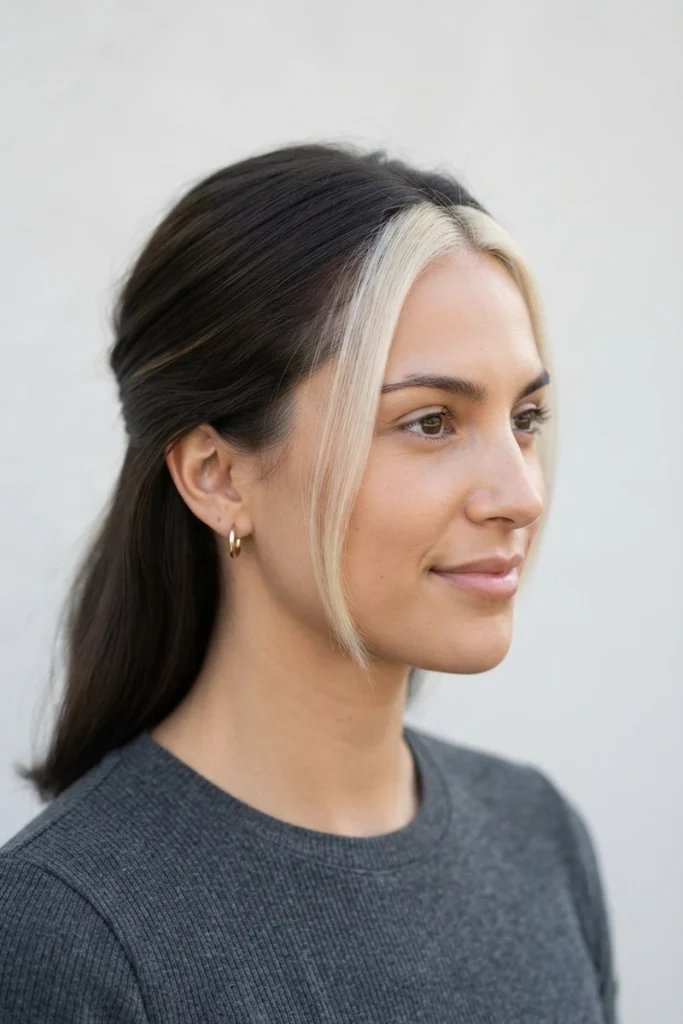
What it is: A single, concentrated panel of lightened color placed at the front hairline, rather than color distributed through the whole head.
Because the lightened section is isolated to one contained area, touch-ups only involve a small panel of hair rather than a full head of foils — meaningfully less time and cost per visit than an all-over color change, even though the visual impact is just as noticeable.
Ask your colorist for: a face-framing panel about one to two inches wide, lightened independently of the rest of the head so it can be maintained on its own schedule.
7. Silver or Grey Highlights
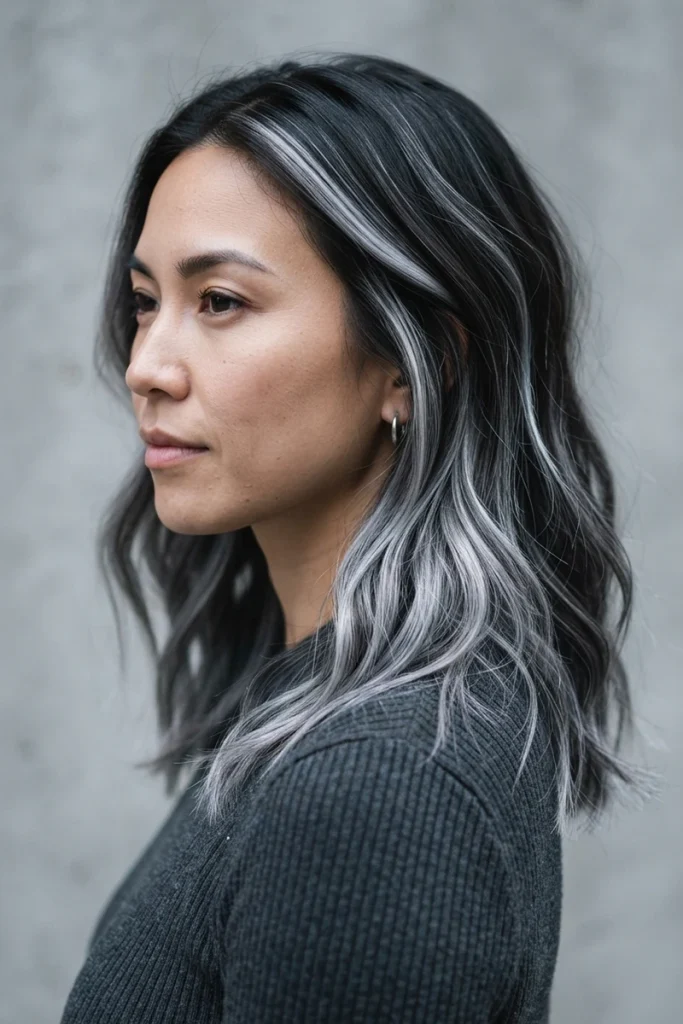
What it is: Cool, metallic-toned highlights that require lightening the hair down to a pale yellow or white base before toning it silver.
This is one of the higher-commitment options on this list — silver tones fade toward yellow relatively quickly and typically need toning touch-ups between full color appointments to stay true. It’s worth choosing specifically if the bold, cool-metallic look matters more to you than a low-effort routine.
Ask your colorist for: a pre-lightening consultation to confirm your hair can safely reach the pale base silver tone requires, plus a maintenance plan for toning between full appointments.
8. Vivid Fashion Color (Blue or Purple)
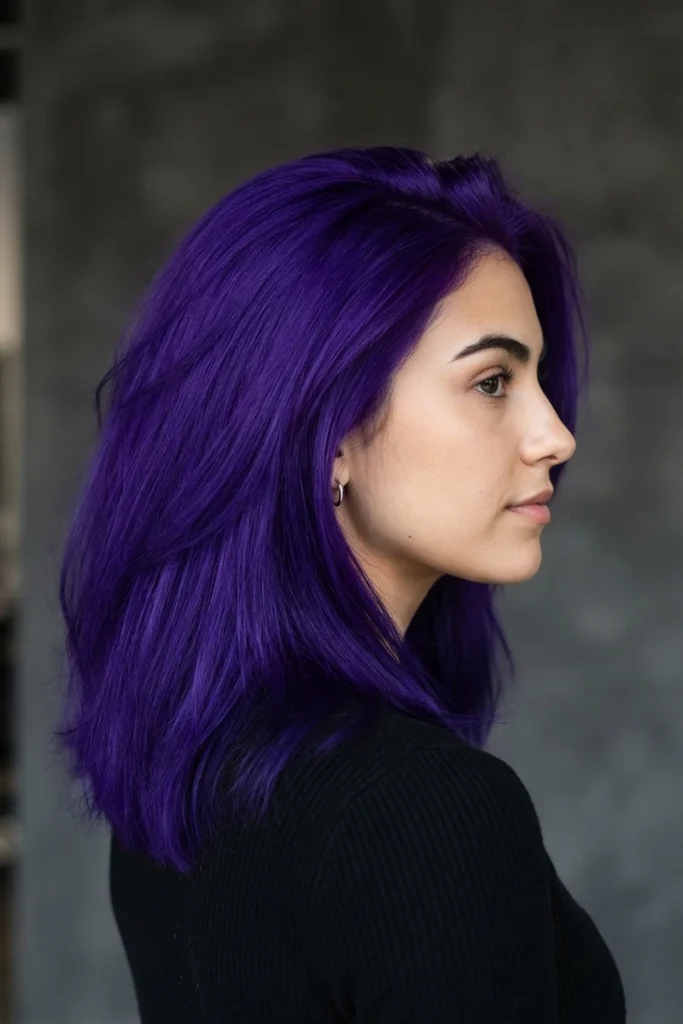
What it is: Saturated, non-natural color — navy, electric blue, deep violet — applied over pre-lightened sections for maximum vibrancy.
Vivid fashion colors fade the fastest of any category here, since they sit on the hair’s surface rather than penetrating as deeply as natural-looking shades. This is the entry to choose only if you’re genuinely comfortable refreshing color every few weeks, not the one to pick for the photo alone.
Ask your colorist for: a color-depositing gloss or semi-permanent formula recommendation for at-home refreshes between salon visits, since these tones fade unevenly if left untouched.
Matched to Your Starting Base Color
9. Chocolate Brown Highlights on Black Hair
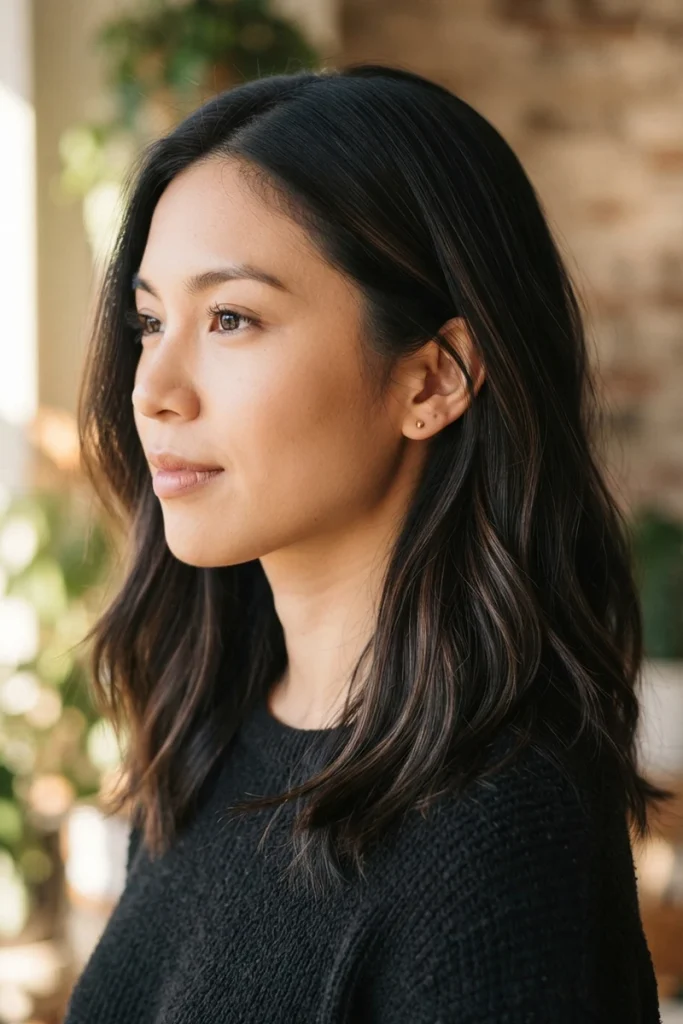
What it is: Highlights just a shade or two lighter than a black base, subtle enough to read as dimension rather than an obvious color change.
Black hair often reads as flat under indoor lighting simply because there’s no tonal variation to catch the light. Chocolate brown highlights solve that without requiring the more dramatic, more damaging lift that true blonde highlights on black hair would need.
Ask your colorist for: low-volume highlights placed through the mid-lengths only, avoiding the root area to keep the transition subtle and the processing time shorter.
10. Blonde Highlights on Dark Ginger or Red Hair
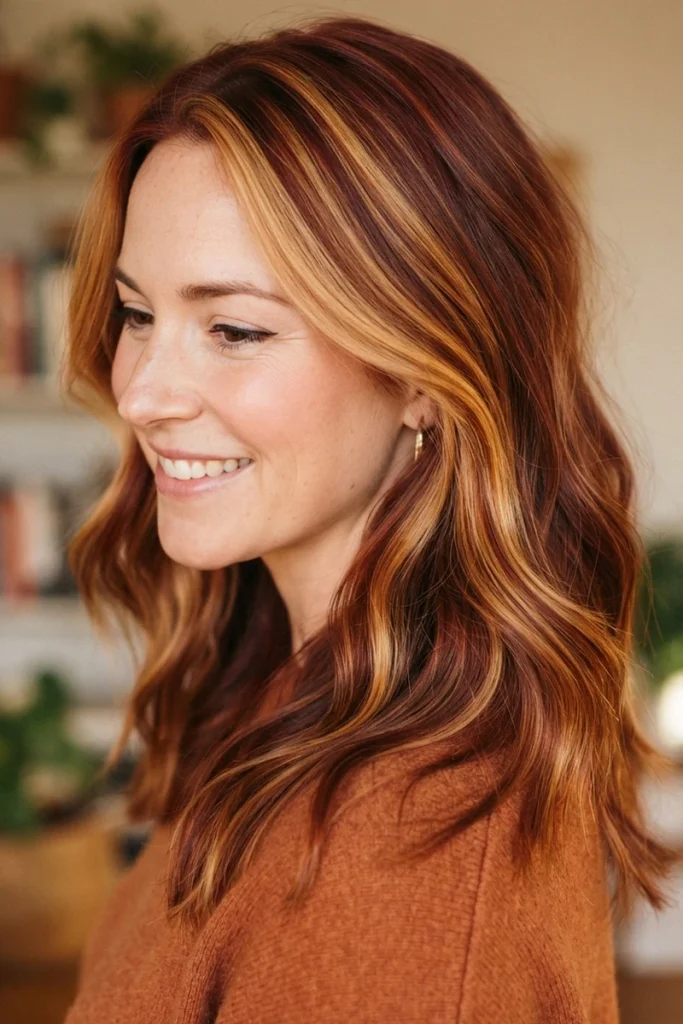
What it is: Golden or strawberry-blonde highlights woven through a natural dark red or ginger base, brightening the red rather than replacing it.
Red and ginger bases already contain warm pigment that most other highlight colors clash with, but blonde highlights actually complement rather than compete with that undertone. The result reads as sun-lightened red rather than two unrelated colors layered on top of each other.
Ask your colorist for: a color-safe lightener formulated for red-based hair, since ginger tones can shift unpredictably under standard lightening products.
11. Light Brown Highlights on Dark Hair
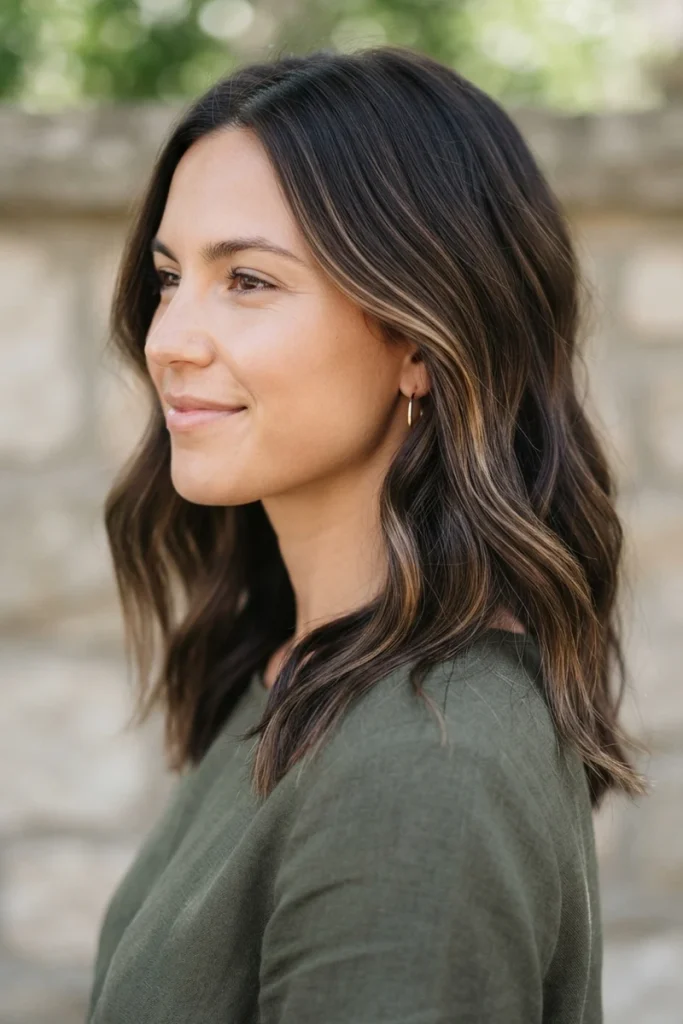
What it is: Highlights just a few shades lighter than a dark brown or black base, adding softness without dramatic contrast.
This is the highlight option built for anyone who wants a genuine, low-drama upgrade rather than a statement change. Because the highlight color sits so close to the natural base, regrowth is barely noticeable, which makes it one of the more forgiving entries on this list even outside the dedicated maintenance section.
Ask your colorist for: a few thin foils placed strategically around the face rather than throughout the whole head, keeping the look natural rather than heavily highlighted.
12. Dimensional Balayage on Already-Blonde Hair
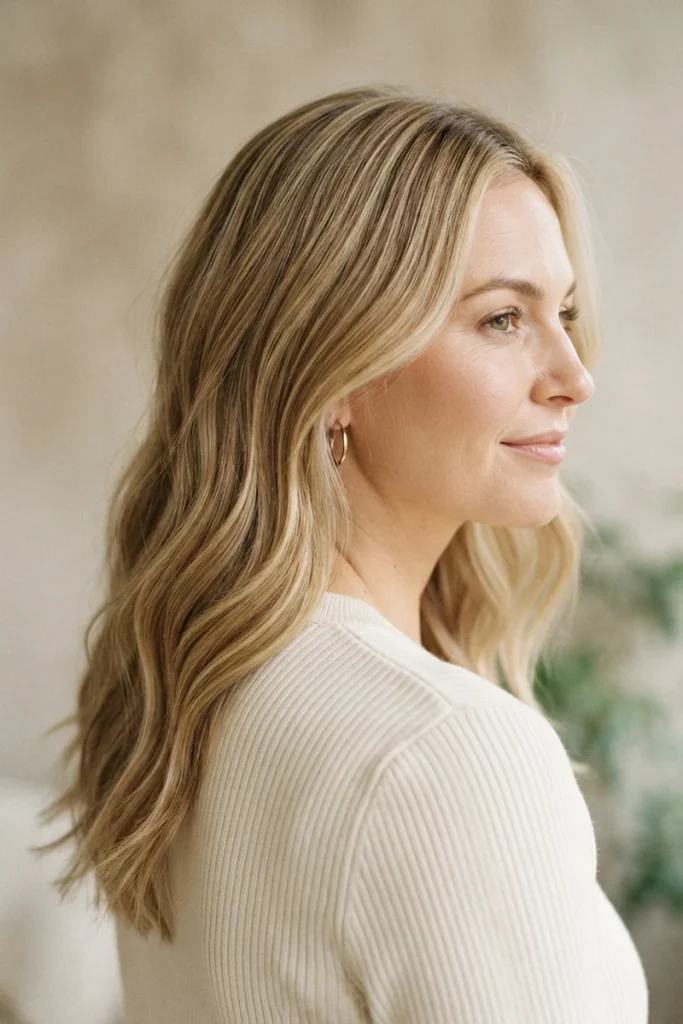
What it is: Multi-tonal balayage applied to hair that’s already blonde, adding both slightly darker lowlights and slightly lighter highlights to break up flat, single-process color.
Blonde hair that’s been through repeated lightening sessions often ends up uniformly pale, which can look more washed-out than intended. Adding dimension back in — some deeper pieces, some brighter ones — restores the depth a single flat blonde tends to lose.
Ask your colorist for: a lowlight-and-highlight combination rather than another round of all-over lightener, to add tonal variation without further processing the hair.
Full Color Changes (Not Just Highlights)
13. Platinum Blonde (All-Over)
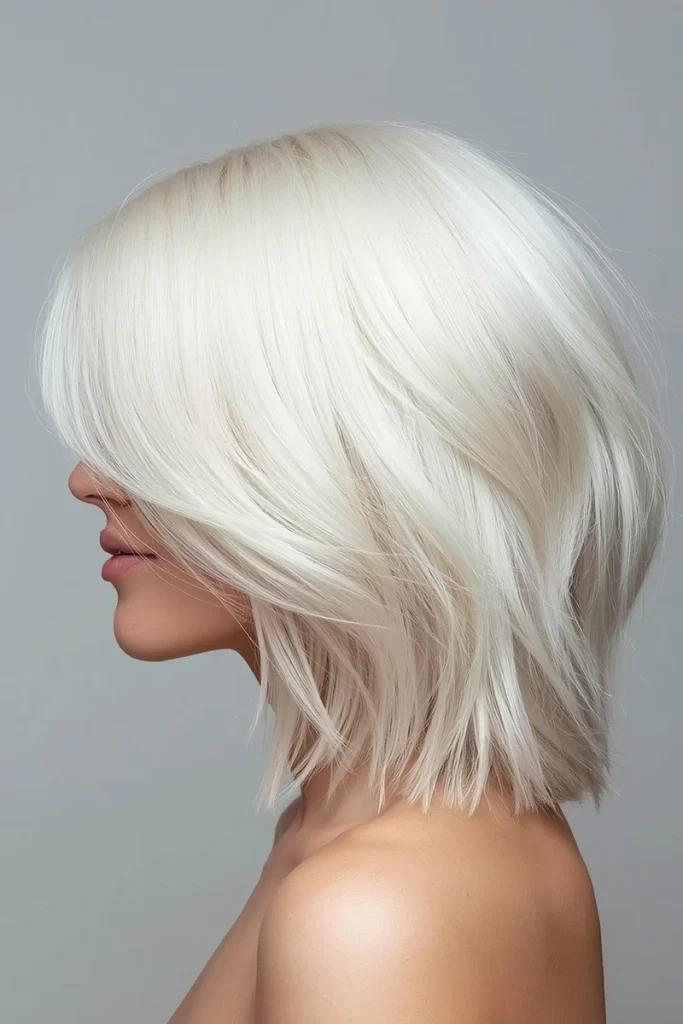
What it is: A full head lift to the palest achievable blonde, several shades beyond typical ash or honey highlights — a genuine base color change rather than a highlighted section.
Platinum is the boldest entry on this list precisely because there’s nowhere for it to hide. Every inch of hair goes through the lightening process, which means the health of your hair before you start matters more here than with almost any other option, and the upkeep afterward is a real, ongoing commitment rather than an occasional touch-up.
Ask your colorist for: a realistic multi-session timeline if you’re starting from a dark base, plus a bond-building treatment plan (like Olaplex or an equivalent) built into each appointment to protect hair integrity through repeated lightening.
14. Bronde (Brown-Blonde Blend)
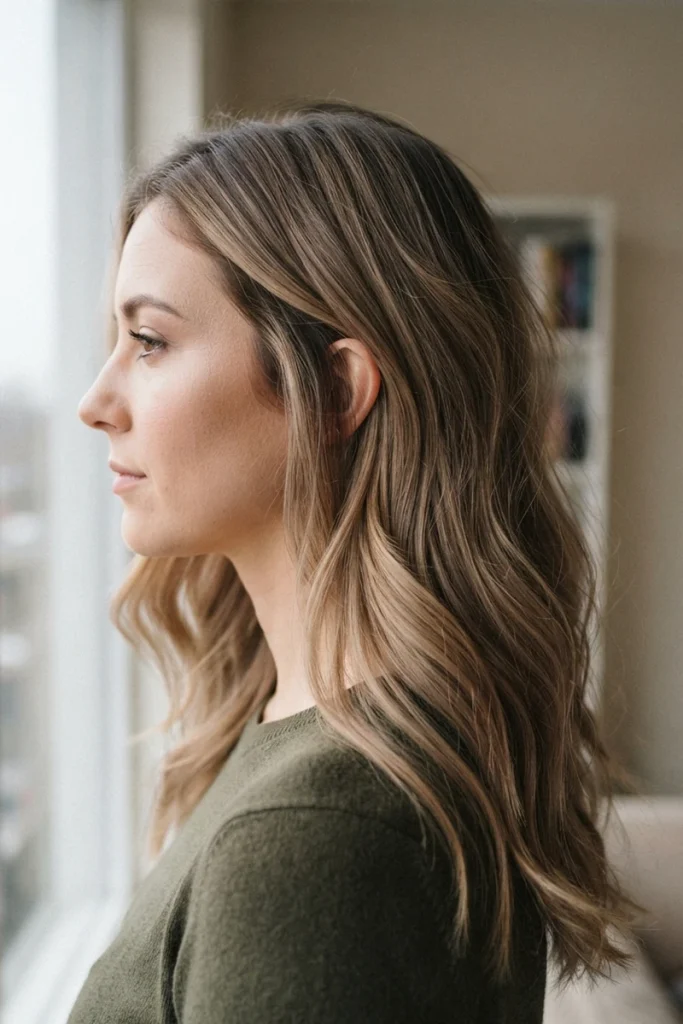
What it is: A soft, low-contrast blend of brown and blonde tones that doesn’t commit fully to either — not highlighted brown, not lowlighted blonde, but a genuine midpoint between the two.
Bronde exists specifically for anyone who finds full blonde too much upkeep and full brunette too flat. Because the two tones are close together in depth, the color grows out with very little visible line, making it one of the more forgiving full-color options on this list despite being an all-over change rather than a highlight technique.
Ask your colorist for: a low-contrast, multi-tonal blend rather than distinct highlight foils, so the brown and blonde read as one integrated color instead of two separate tones.
15. Gray Blending or Silver Coverage
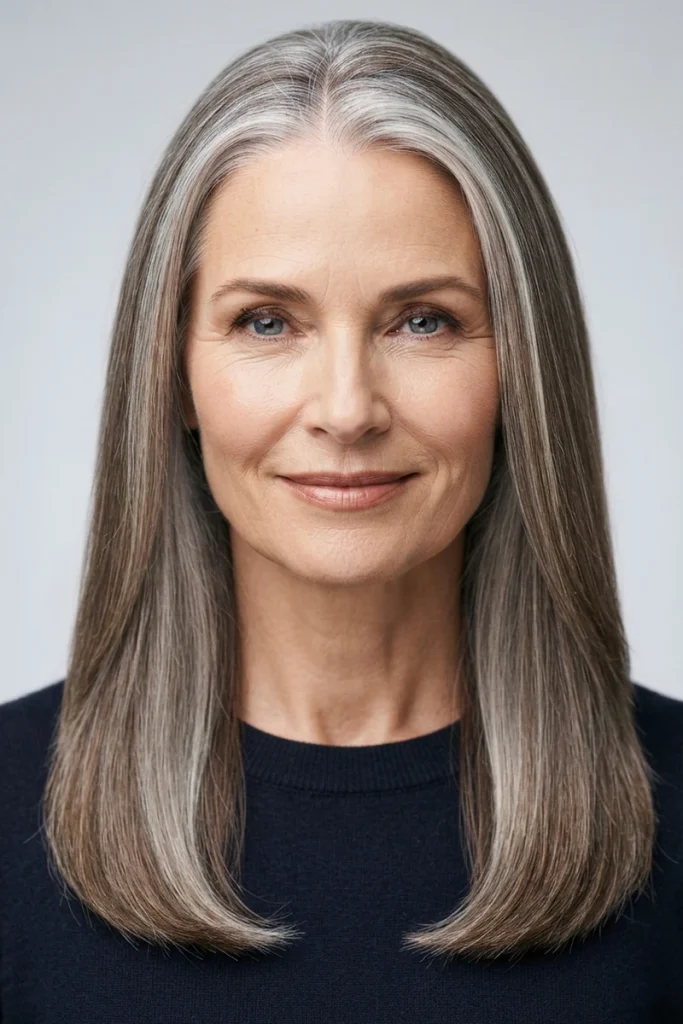
What it is: A technique that works with emerging natural gray rather than fully covering it — soft, strategically placed lighter pieces that blend gray strands into the surrounding hair instead of hiding them.
This is a genuinely different goal from every other entry on this list: not a fashion choice, but a way to ease into natural gray without the stark, all-over regrowth line that flat color coverage eventually creates. It’s specifically useful for anyone who wants their gray to look intentional while it grows in, rather than choosing between full coverage and a harsh transition period.
Ask your colorist for: a gray-blending technique (sometimes called “grombre” or strategic gray blending) using highlights placed to match your natural gray pattern, rather than a single all-over color to cover it completely.
Statement and Bold Options
16. Burgundy or Wine Highlights
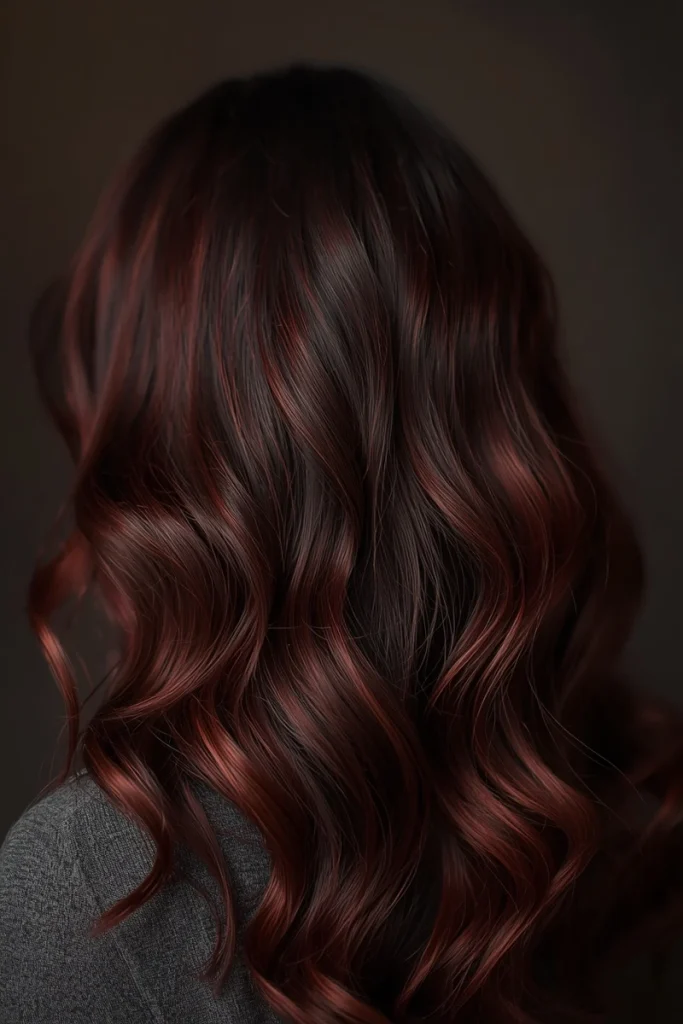
What it is: Deep red-violet tones added through dark hair, visible mainly in direct or natural light rather than under typical indoor lighting.
Burgundy reads as bold without being as attention-grabbing as a full fashion color, since it stays close enough to a natural dark base to pass as regular hair color in most lighting — then reveals itself the moment sunlight hits it. For all-over shades and placements beyond highlights, see our guide to burgundy hair color by starting shade.
Ask your colorist for: a permanent red-violet gloss or full color service rather than a temporary rinse, since burgundy tones on dark hair fade unevenly if applied as a semi-permanent wash.
17. All-Over Copper
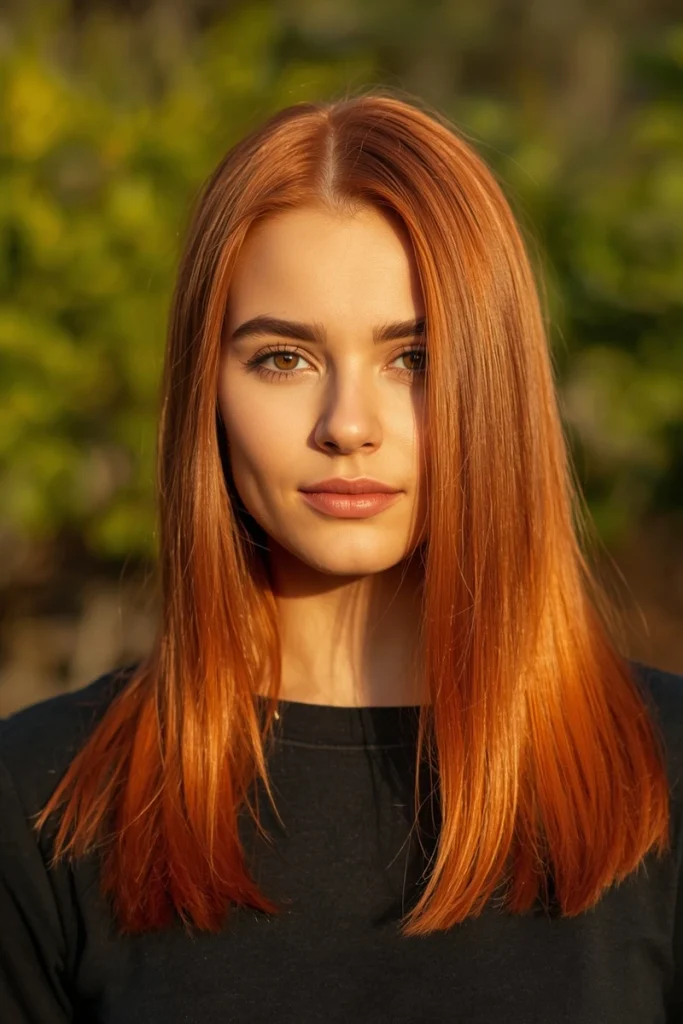
What it is: A fully saturated copper tone applied throughout, rather than as highlights — a genuine base color change into warm red-orange territory.
Copper is one of the few all-over color changes that photographs as flattering across a wide range of undertones, since the tone itself carries enough warmth to complement most warm and neutral skin without looking artificial.
Ask your colorist for: a copper formula matched to your natural undertone during consultation, and a color-safe, sulfate-free routine at home, since copper is notorious for fading fast without the right aftercare.
18. Pink or Purple Peekaboo Highlights
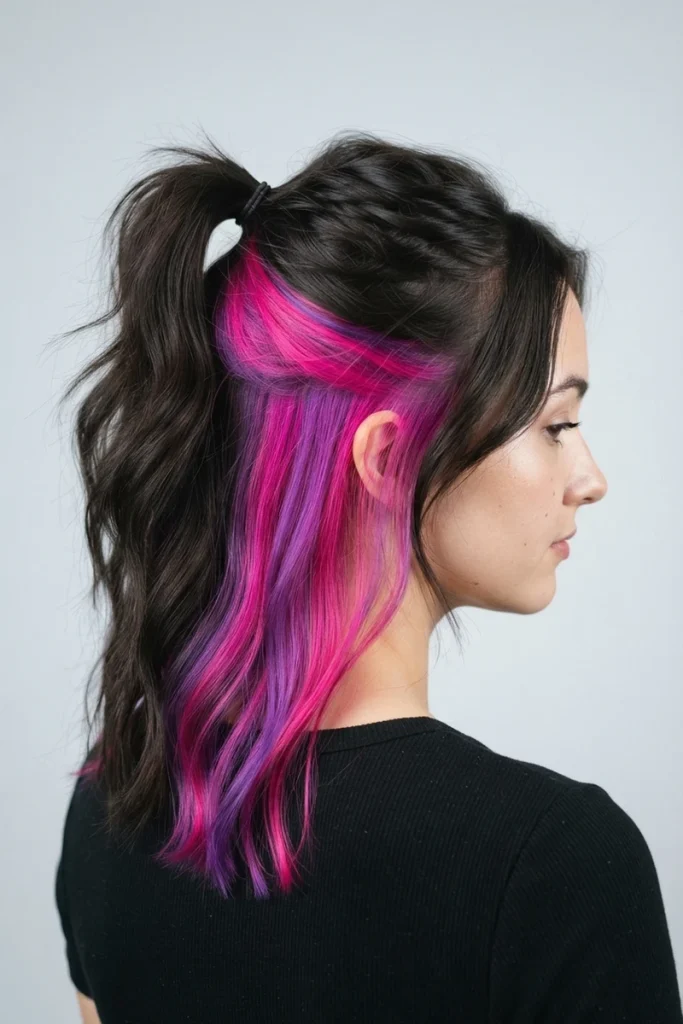
What it is: Small sections of vivid pink or purple color placed underneath the top layer of hair, visible when the hair moves or is styled up, hidden when it’s down.
This is the lower-commitment version of a fashion color — the bold tone is real, but it’s contained to a small, easily-grown-out section rather than distributed through the whole head, which makes it easier to hide for work or grow out without a full color correction.
Ask your colorist for: a small, evenly-spaced set of peekaboo panels underneath the crown, pre-lightened before the fashion color is applied.
19. Chunky Contrast Highlights
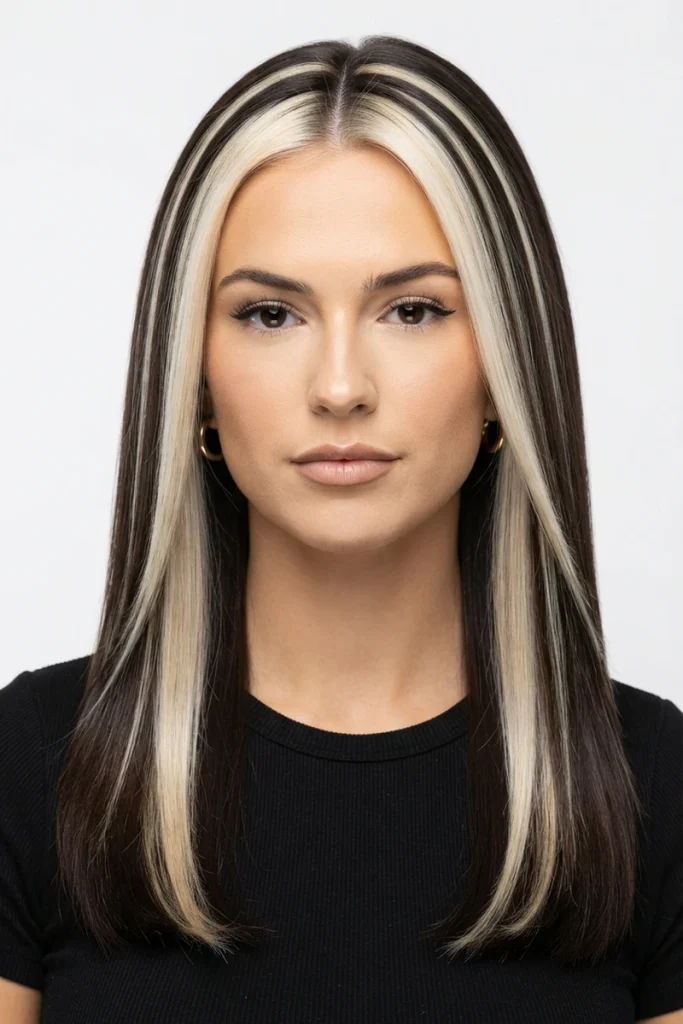
What it is: Bold, visibly separated highlight pieces set against a dark base — thicker and more defined than traditional foils, meant to be seen rather than blended in.
Where most highlighting techniques aim for a seamless, natural transition, chunky highlights do the opposite on purpose. The visible separation between light and dark sections is the entire point, giving the color a graphic, intentional look rather than a soft, dimensional one.
Ask your colorist for: thicker foil sections (closer to a quarter-inch) placed with visible spacing between them, rather than the thinner, blended foils used for natural-looking highlights.
Hair Color FAQs
How do I figure out my undertone before choosing a color?
The quickest at-home check is looking at the veins on your inner wrist in natural light — green-toned veins usually mean a warm undertone, blue or purple veins usually mean cool, and a mix of both usually means neutral. Jewelry can also be a clue: if gold jewelry looks more flattering than silver, that often points to a warm undertone, and vice versa. A colorist can confirm this more precisely during a consultation, especially if the at-home check feels ambiguous.
How long does hair color typically last before it needs a touch-up?
This varies enormously by technique and tone. Balayage and money-piece color can go three to four months between visits because the placement is designed to grow out gradually. All-over color changes, silver or ash tones, and vivid fashion colors usually need attention every four to six weeks to stay looking fresh, since either the regrowth or the fade becomes noticeable faster.
How much does going from dark to light hair damage the hair?
It depends heavily on how many levels of lift are involved. Going a few shades lighter is generally low-risk with proper technique. Going from black or very dark brown to a pale blonde usually requires multiple lightening sessions spaced weeks apart specifically to protect hair health, rather than one aggressive process. A colorist should always walk you through a realistic timeline before starting a dramatic lightening journey.
What are the lowest-maintenance hair color options?
Balayage techniques generally top this list, since they’re specifically designed to grow out without a visible line. Money-piece color is a close second, since only a small section needs regular attention. Highlight shades placed close to your natural base color — like light brown highlights on dark hair — also qualify, since the regrowth blends rather than standing out.
Closing
The right hair color starts with your undertone and your real-life maintenance tolerance, not just the photo that caught your eye first. Bring your colorist a clear reference image, be upfront about how often you’re realistically willing to come in for touch-ups, and ask specifically how many sessions a dramatic change would take if you’re moving far from your natural base — that combination is what separates color that looks intentional from color that just looks like an accident. For more style inspiration to pair with your new color, browse our Bob Haircut guide, or see how pixie cuts hold color placement in our Pixie Cut guide.