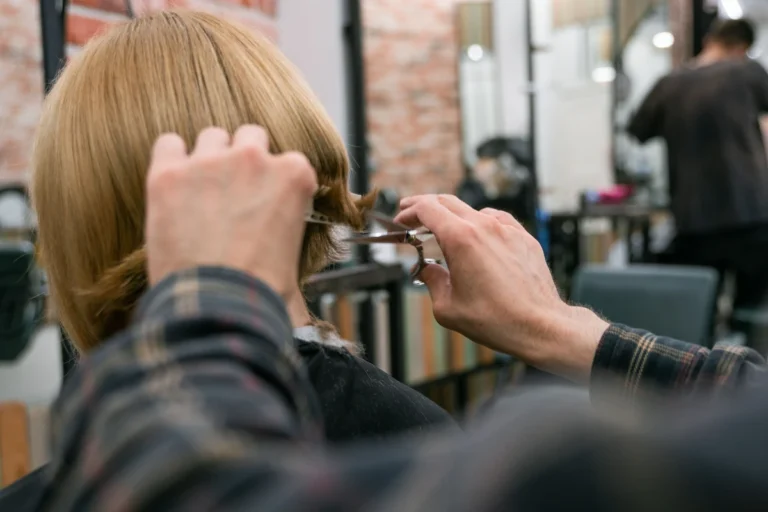

Cutting Long Hair Into a Bob: What to Expect Before, During, and After
There’s a specific kind of nervousness that comes with booking a bob when you’ve had long hair for years. It’s not like a trim, where the worst case is barely noticeable. A bob is a real change — visible from across the room, impossible to quietly undo, and often more emotional than people expect going in.
If you’re standing at that decision point right now, here’s exactly what the process looks like, what you’ll feel in the chair, and what the first two weeks afterward are actually like.
Before You Book: Three Things to Decide First
Walking in with a general idea of “I want a bob” is fine, but three decisions will make the appointment itself go faster and the result more predictable.
Blunt or textured. These look and feel completely different, and require different amounts of daily styling. If you’re not sure which suits your hair type and lifestyle, our blunt bob vs textured bob guide breaks down the difference before you’re in the chair trying to decide on the spot.
Length, relative to your face shape. A bob that hits right at the jaw reads differently depending on face shape — sometimes flattering, sometimes not quite what you pictured. Our face shape haircut guide is worth five minutes before your appointment so you can describe what you want with more precision than “medium length.”
How much styling time you actually have. Be honest with yourself here. If mornings are rushed, say so — it should shape which version of a bob you ask for. A style that needs daily blow-drying to look finished will be a different daily experience than one designed to air-dry.
Bring reference photos if you have them, but describe your hair type and styling habits too — a photo alone doesn’t tell your stylist whether your hair is fine or thick, straight or wavy, which matters more than the picture itself.
What Actually Happens During the Cut
Most first-time bob cuts follow a similar sequence: your stylist will typically section your hair and may gather the length to be removed into a ponytail before cutting, so you can see roughly how much is coming off before it happens. This isn’t universal, but it’s common enough that it’s worth expecting.
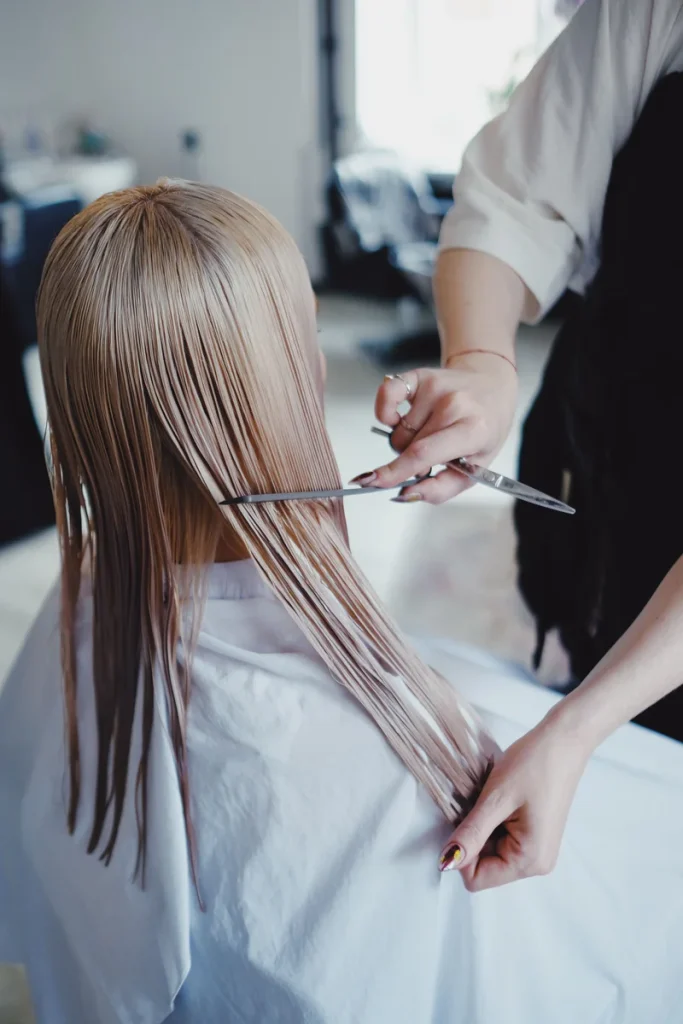
The cut itself is usually faster than people anticipate — often 30 to 45 minutes for a simple bob, longer if layers or texturizing are involved. Watching the floor around the chair fill with hair is, for most people, the strangest part of the whole process. It looks like more hair than it actually is.
The Immediate Reaction: What “Big Chop Shock” Feels Like
There’s a real, well-documented reaction that happens in the first few minutes after a major length change, and it’s worth knowing about in advance so it doesn’t catch you off guard.

What’s happening: Your head physically feels lighter — sometimes dramatically so, especially if you’re coming from waist-length or longer hair. Many people describe a moment of genuine shock looking in the mirror, even when they’re happy with the cut. It’s common to laugh, tear up, or just stare for a minute. This is a normal physiological and psychological response to sudden visual change, not a sign that something went wrong.
Be careful with: Judging the cut in the first five minutes. Hair styled fresh out of the chair — usually blow-dried straight and sleek by the stylist — often looks different from how you’ll wear it day to day. Give it until you’ve styled it yourself at least once before deciding how you feel.
What helps: Reminding yourself this reaction is expected. Most people who report loving their bob a week later also report a moment of panic in the chair. The two aren’t contradictory.
Getting Used to How Different It Feels
Beyond the visual change, a handful of physical adjustments surprise almost everyone making this switch for the first time:
- Your neck will feel exposed, especially in cold weather or air conditioning. This fades within a couple of weeks as you adjust, but it’s genuinely noticeable at first.
- Hair moves differently. Long hair has weight that keeps it relatively still; a bob swings, flips, and reacts to turning your head in a way that can feel unfamiliar for the first several days.
- Washing and drying takes less time — often dramatically less. This is a welcome change for most people, but it can feel strange if you’re used to a longer hair-washing routine as part of your day.
- You’ll see more of your face. Long hair often partially frames or hides the jawline and neck; a bob doesn’t. This is part of why the mirror reaction above happens — you’re not just seeing shorter hair, you’re seeing more of your face than you have in years.
The First Week: Relearning Your Routine
The biggest practical adjustment isn’t the cut itself — it’s realizing your old styling routine doesn’t quite apply anymore.

Products that worked on long hair are often too heavy for a bob; a small amount goes a lot further on shorter length. If you’re aiming for a wash-and-go routine rather than daily heat styling, our no-heat bob styling guide covers the method that actually works for your specific hair type, rather than generic “just air dry it” advice that doesn’t account for texture differences.
Give yourself at least a week of styling it yourself — not just the salon blowout — before forming a final opinion on the cut. A stylist’s finish and your at-home routine are two different things, and the second one is what you’ll actually be living with.
When It’s Not Quite Right: The Two-Week Rule
It’s common enough to be worth stating plainly: many first bobs need one small follow-up adjustment, usually within the first two weeks.
This isn’t a sign of a bad cut. Hair settles and falls differently once it’s been washed and styled a few times at home, away from salon products and blow-dry technique. A slightly uneven piece that wasn’t visible in the chair sometimes becomes noticeable once you’re styling it yourself.
Most salons expect this and will do a small shape adjustment at no charge within a short window after the original cut — ask about this policy when you book, so you know what to expect if you need it.
What to Say at the Salon
For a first-time bob specifically, give your stylist more context than usual — this isn’t a routine trim, and the extra information helps them get it right the first time:
“This is my first time cutting my hair this short. I’ve had long hair for [timeframe]. I’m thinking [blunt/textured], and I want something that works with [X minutes] of styling time most mornings. I’m a little nervous about [the length / how short it’ll feel], so please talk me through what you’re doing as we go.”
Most stylists appreciate knowing it’s a big change for you — it often means they’ll check in more throughout the cut rather than assuming you’re fully comfortable with a dramatic reveal at the end.
Frequently Asked Questions
Is it normal to regret a bob immediately after cutting it?
A moment of shock or even panic in the chair is extremely common and doesn’t necessarily predict how you’ll feel once you’ve styled it yourself for a few days. Give it at least a week before deciding it was the wrong choice.
How much shorter will my hair actually feel compared to how it looks?
Often more dramatic than expected, especially coming from very long hair. The lightness and neck exposure are usually the most surprising physical sensations, separate from how the cut looks.
Should I wash and style my hair myself before judging the cut?
Yes. A salon blowout is often sleeker and more polished than an at-home routine will be day to day. Style it yourself at least once, ideally a few times, before forming a final opinion.
What if the length feels uneven once I style it at home?
This is common enough that most salons offer a complimentary follow-up adjustment within a couple of weeks. Ask about this policy at your original appointment.
How long until a bob “feels normal” after having long hair for years?
Most people report adjusting within two to three weeks — long enough to get through a few wash days and figure out a new routine, but not so long that the change stays feeling foreign.
What if I end up regretting the length entirely?
It happens, and it’s fixable — hair grows back. Our guide to growing out a bob walks through the timeline and how to make the in-between stages look intentional rather than accidental.
Final Thoughts
The technical part of cutting long hair into a bob is usually the easy part — it’s the adjustment afterward that catches people off guard. The lightness, the neck exposure, the different way hair moves, and yes, the moment of mirror shock are all completely normal parts of the process, not signs that something went wrong.
Give yourself a real week of living with it — washing it, styling it yourself, wearing it to work or wherever your normal routine takes you — before deciding how you feel. If you’re still deciding on the specific style, our full bob haircut guide covers the range of variations worth discussing with your stylist before you sit down.