Layered Haircuts: 16 Layering Techniques Matched to Your Hair
Most layered haircut galleries sort styles by color and mood — ash brown layers here, platinum layers there, a caramel balayage look a few scrolls down. It’s an easy way to browse, but it skips the part that actually determines whether layers work on your head: the cutting technique underneath the color. A layered haircut isn’t really one thing. “Blended elevation” cutting solves a completely different problem than a “sliding cut,” and neither of them behaves the same way on fine, straight hair as they do on thick, curly hair. The photo you’re drawn to might be showing you a technique that would collapse flat on your texture, or a shape built for a face shape that isn’t yours.
That’s the real decision behind a layered haircut: not which color or mood you want, but which structural problem your hair actually has — too flat at the crown, too heavy at the ends, curl pattern fighting the layers, or a color technique that needs specific layering to read properly. Below are 16 layering techniques, each matched to a distinct hair problem, so you can walk into a salon appointment asking for the right cut instead of a photo that may not translate to your own hair.
Before You Start: Three Decisions Before You Sit in the Chair
1. What is your hair’s natural texture and density actually doing? Fine hair, thick hair, straight hair, and curly hair all respond differently to the same layering technique. A cut that adds beautiful movement to thick, heavy hair can leave fine hair looking thin and stringy. Know what your hair does on its own before choosing a technique built for the opposite problem.
2. Do you already have — or want — a specific color technique? Balayage, ombré, and subtle highlights all rely on the layering underneath to show up properly. A color technique built around light-to-dark transitions needs different layer placement than one built around all-over dimension. If color is part of the plan, the cut needs to be chosen with that color technique in mind, not decided separately.
3. How much daily styling time can you realistically commit? Some layering techniques are built to look good air-dried with minimal effort; others need a diffuser, a round brush, or a flat iron every time to look intentional rather than messy. Be honest about your actual morning routine, not the one you’d like to have.
1. Blended Elevation Cut for Flat, Fine Hair
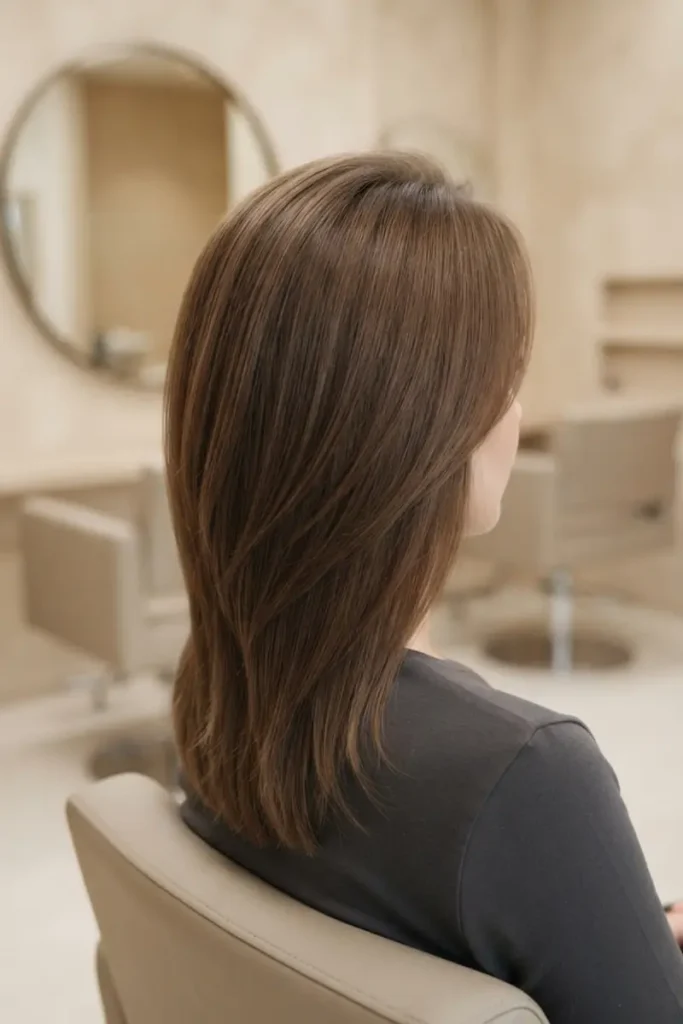
Fine, flat hair at the crown is one of the most common complaints a layered cut is asked to fix, and blended elevation is the technique built specifically for it. The top section is cut shorter and lifted at a higher angle than the sides and back, creating a built-in lift at the crown that doesn’t rely on backcombing or product to hold shape. The shorter top layers blend gradually into the longer side and back sections rather than creating a visible step, so the volume reads as natural rather than “teased.” This technique is specifically suited to straight or slightly wavy fine hair — on curly or very thick hair, the same elevation angle can create an unwanted triangular shape instead of the intended lift. For complete cuts built on the same idea, from pixies to long hair, see our guide to haircuts for thin hair.
2. Sliding Cut for Soft, One-Length Movement
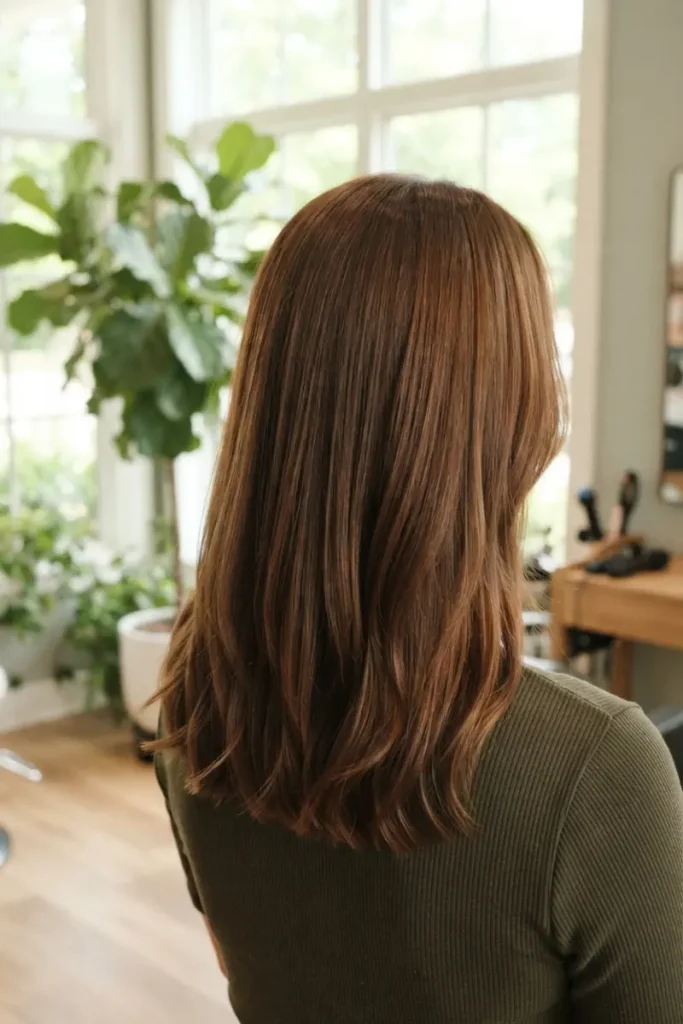
Not every layering problem calls for dramatic shorter-to-longer contrast — sometimes the goal is length that still moves instead of hanging flat and blunt. A sliding cut solves this by sectioning the hair in four parts, starting at the back, and cutting radially at a shallow angle rather than the steeper angle used in more dramatic layering. The result keeps most of the length intact while softening the very ends just enough to add movement, which is why it reads as “predominantly one-length” rather than heavily layered. This technique suits medium wavy textures particularly well, since the soft ends work with a wave pattern instead of cutting across it.
3. Face-Framing Money Pieces for Round Faces
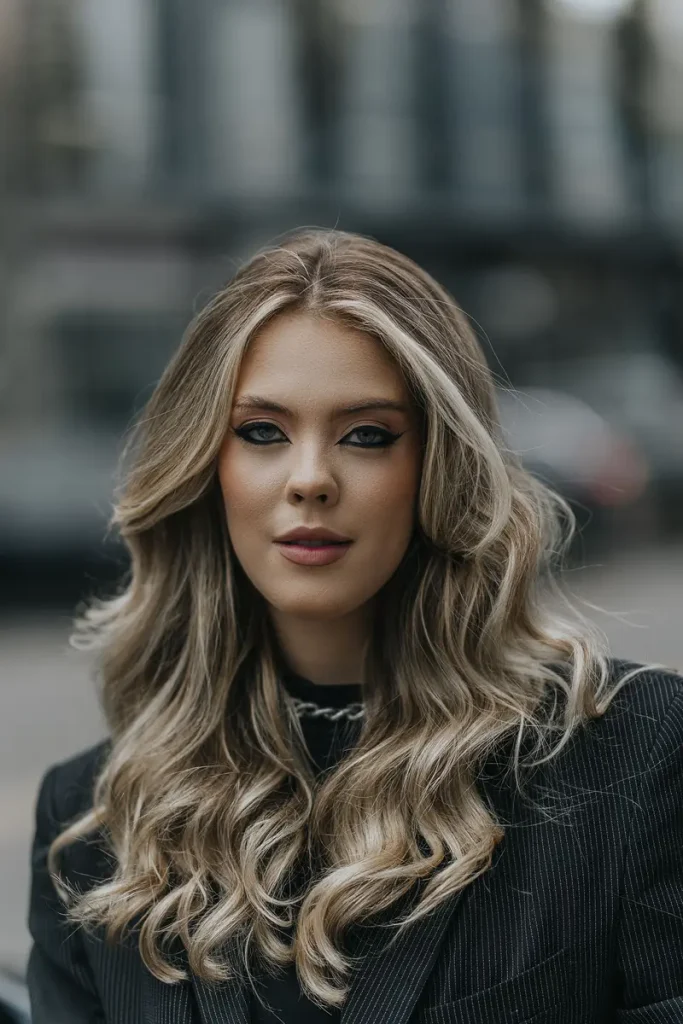
Layers marketed simply as “face-framing” often ignore that different face shapes need the frame positioned differently, and a round face specifically needs length that elongates rather than adds width at the cheekbones. This technique places the shortest face-framing pieces just below the cheekbone rather than directly beside it, angling them to draw the eye downward and create the illusion of a longer face. The rest of the layering stays longer and less aggressive than the framing pieces themselves, since piling on additional shorter layers around an already-round face shape width would work against the goal rather than support it.
4. Long Layers Built for Balayage
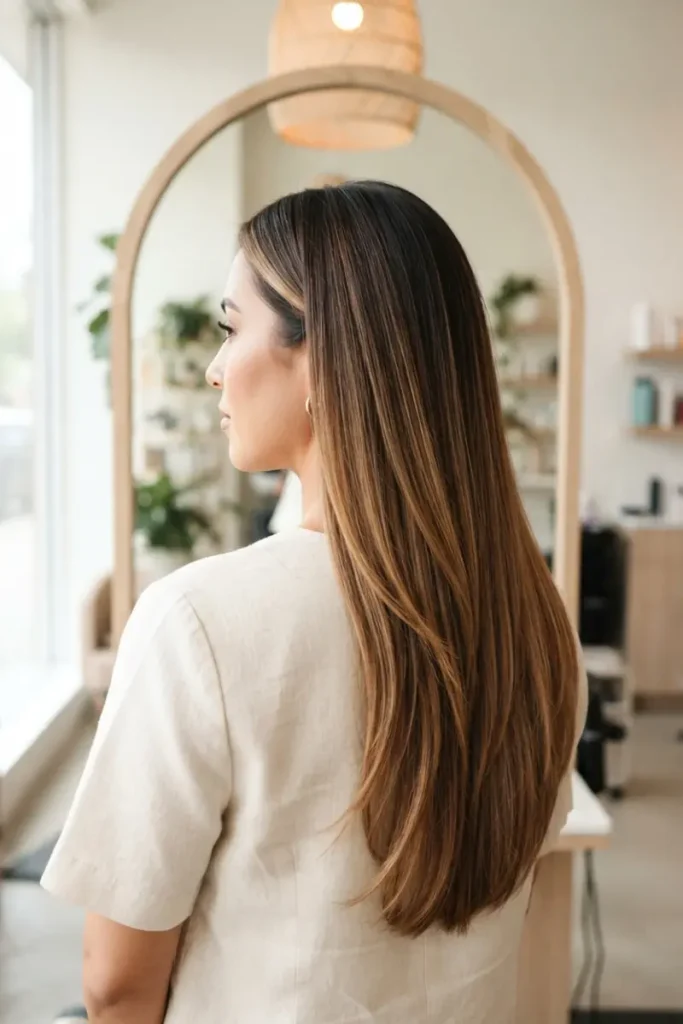
Balayage is a hand-painted color technique that relies on the hair’s layers to catch and show the light-to-dark transition — cut the layers wrong, and even beautifully applied balayage can look muddy or flat instead of dimensional. This technique uses long, subtly graduated layers rather than short, choppy ones, giving each painted section enough uninterrupted length to show the gradual color shift from root to end. The layering is deliberately more gentle and less aggressive than a texturizing cut, because heavily fragmented ends break up the color transition into disconnected patches rather than one smooth gradient.
5. Feathered Ends for Thick, Heavy Hair
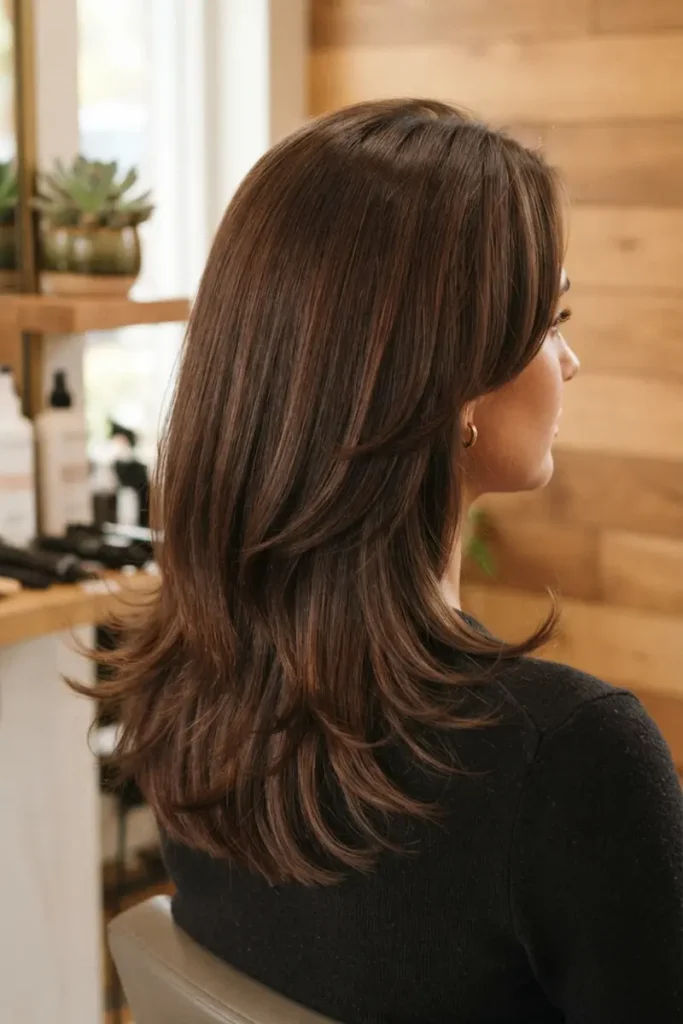
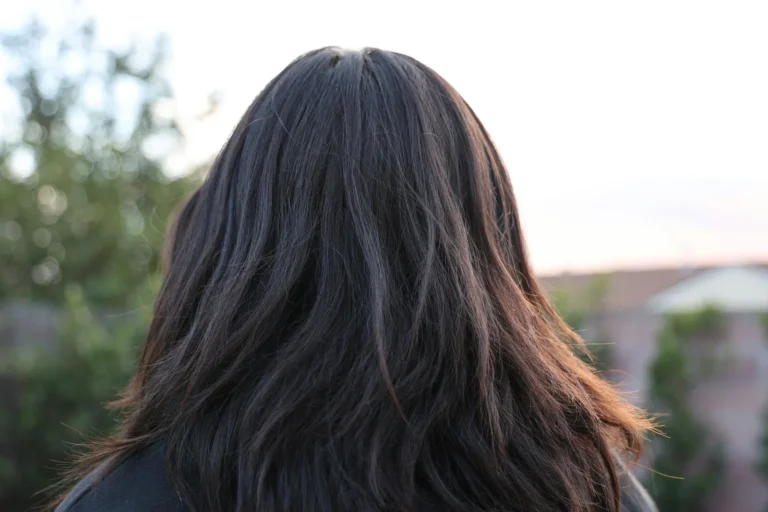
Thick, heavy hair often fights against layering meant to add movement, because there’s simply too much density at the ends for soft layers to show through. Feathering solves this by using a razor or point-cutting technique specifically at the ends of each layer, physically removing bulk and weight rather than just shortening length. Unlike a blunt layered cut, which can leave thick hair looking like it’s wearing a heavy, uniform curtain, feathered ends taper each section to a lighter finish, letting the layers actually move instead of sitting stacked on top of each other.
6. Center-Part Symmetrical Layering for a Sleek Finish
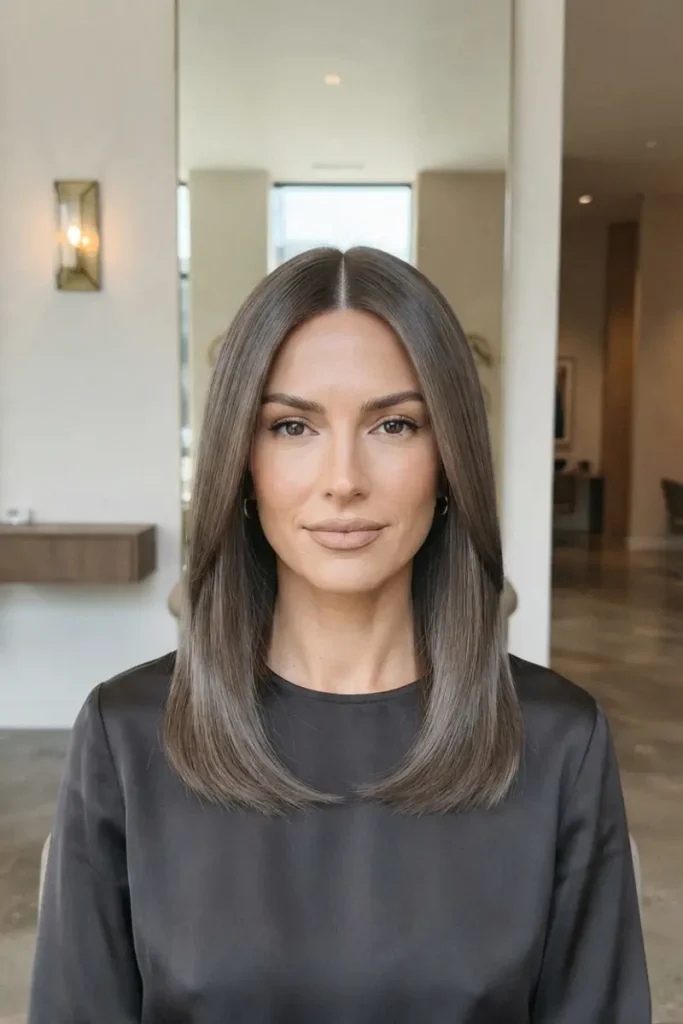
Some layering techniques are built around movement and texture; this one is built around the opposite goal — a smooth, glossy, symmetrical finish where layers add shape without adding visible texture. The cut is done with the hair sectioned along a precise center part, with each side layered as an exact mirror of the other rather than layered freehand, which is what keeps the finished style symmetrical even as it grows out. This technique works best on straight to slightly wavy hair with minimal natural texture, since curly or very textured hair will disrupt the intended symmetry within a few weeks of the appointment.
7. Diffusing Layers for Curly and Wavy Texture
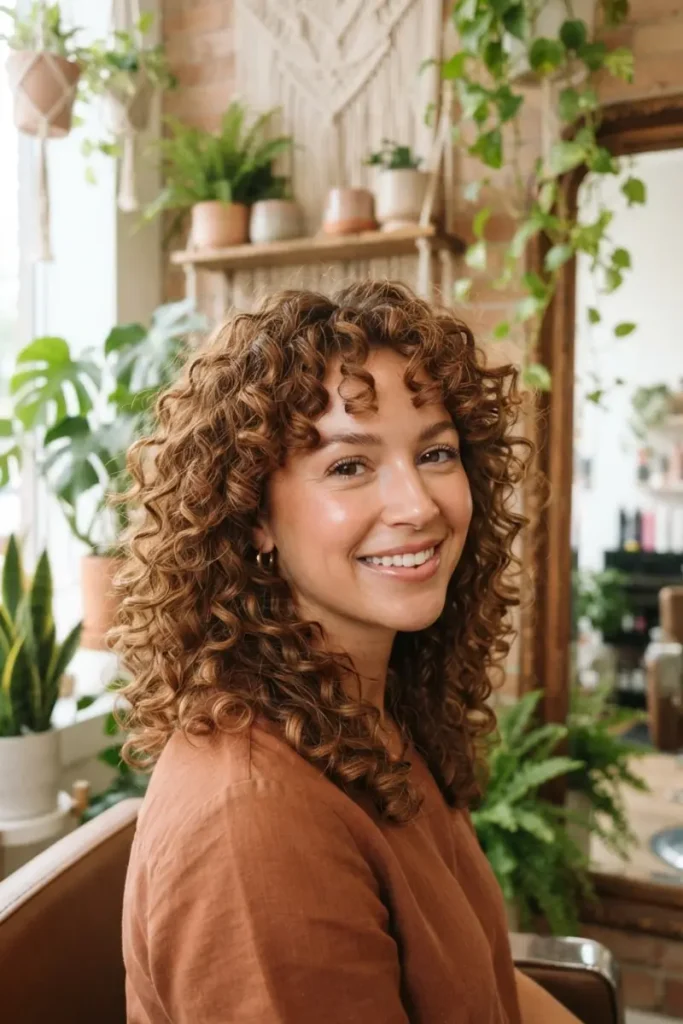
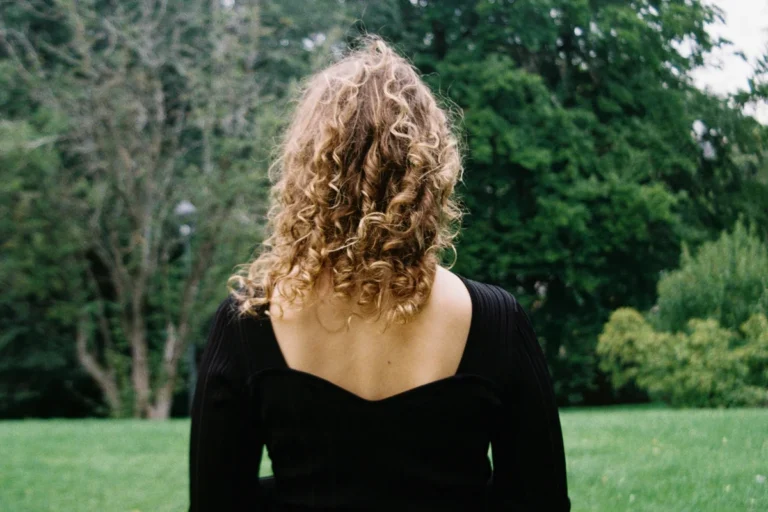
Layering curly or wavy hair with the same technique used on straight hair is one of the most common causes of the unwanted “triangle” shape — layers that looked fine on wet, straight-pulled hair spring up unevenly once the curl pattern sets in. This technique is cut dry, curl by curl, rather than wet and pulled straight, so the stylist can see exactly how each layer will actually sit once the natural texture takes over. The layers are placed to diffuse weight gradually through the curl pattern rather than creating a sudden length change that curls will spring into an uneven shape around.
8. Point-Cut Choppy Layers for Flat, Lifeless Ends
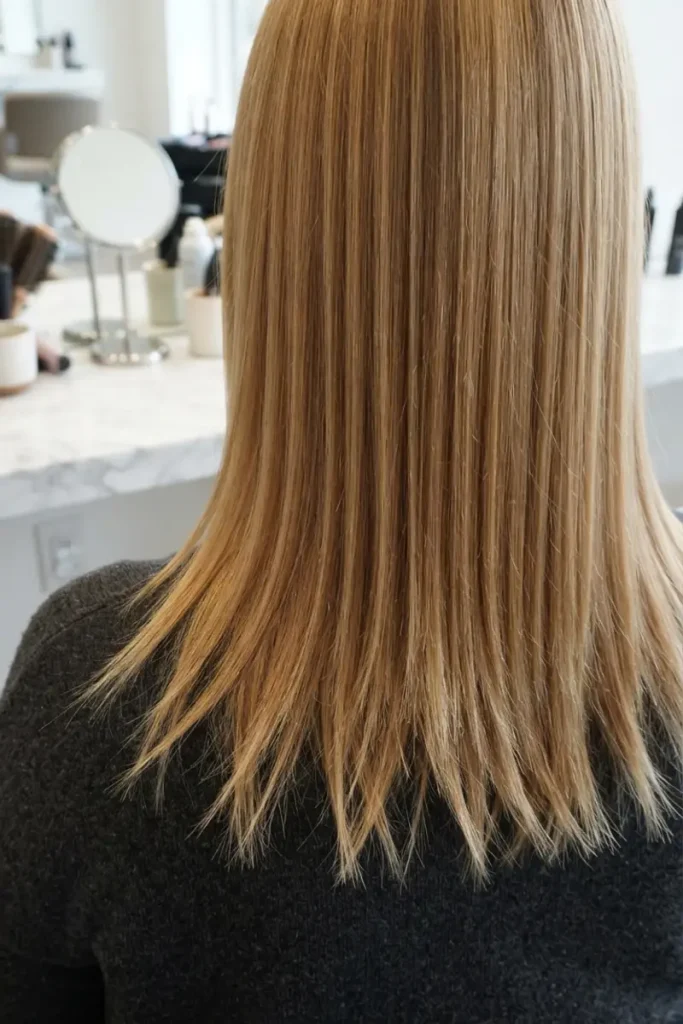
Hair that’s naturally straight and fine at the ends, even if it has decent volume elsewhere, often looks flat and lifeless right where it matters most for movement. Point-cutting solves this by cutting into the ends at an angle rather than straight across, creating small irregular notches along each layer’s edge that catch texture and break up an otherwise blunt line. This technique is specifically about the ends, not the overall shape of the cut, which is why it’s often added on top of another layering technique rather than used as the entire haircut on its own.
9. Long-Over-Short Cascading Layers for Length Illusion
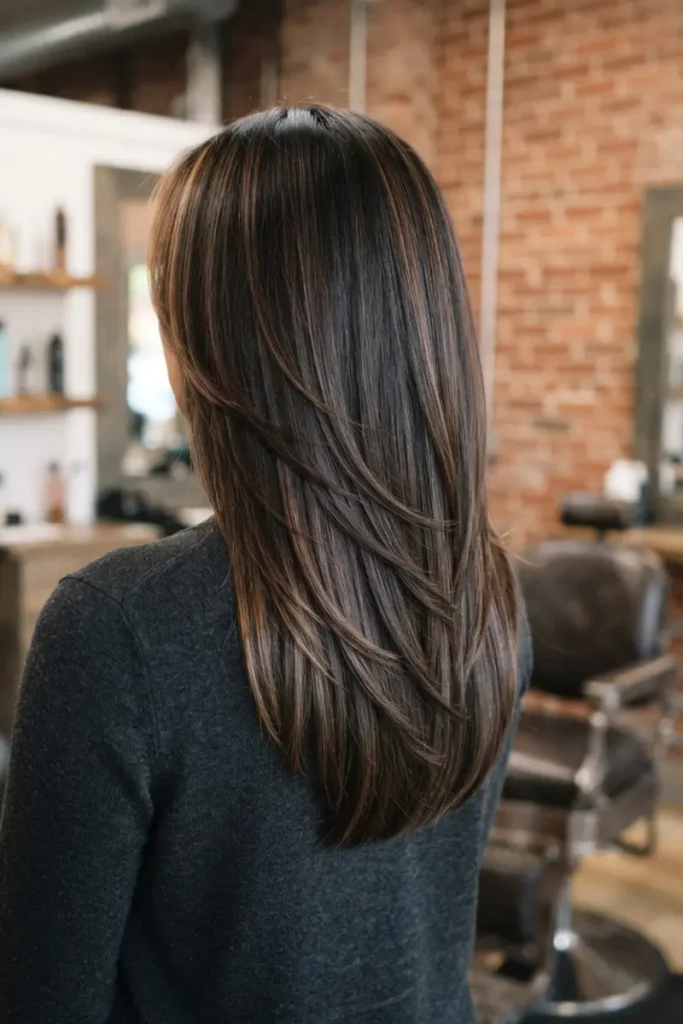
Hair that’s genuinely long but reads as heavy and short-looking due to density is a different problem than hair that’s actually short, and cascading layers address the illusion rather than the actual length. This technique cuts noticeably shorter layers underneath the visible top length, essentially building a shorter internal “scaffold” that the longer outer layers cascade over, creating the visual effect of length and flow rather than a solid, heavy mass. The internal shorter layers are never meant to be seen on their own — their entire purpose is to lighten what’s underneath so the visible top layers can move freely.
10. Graduated Layers Built for Ombré
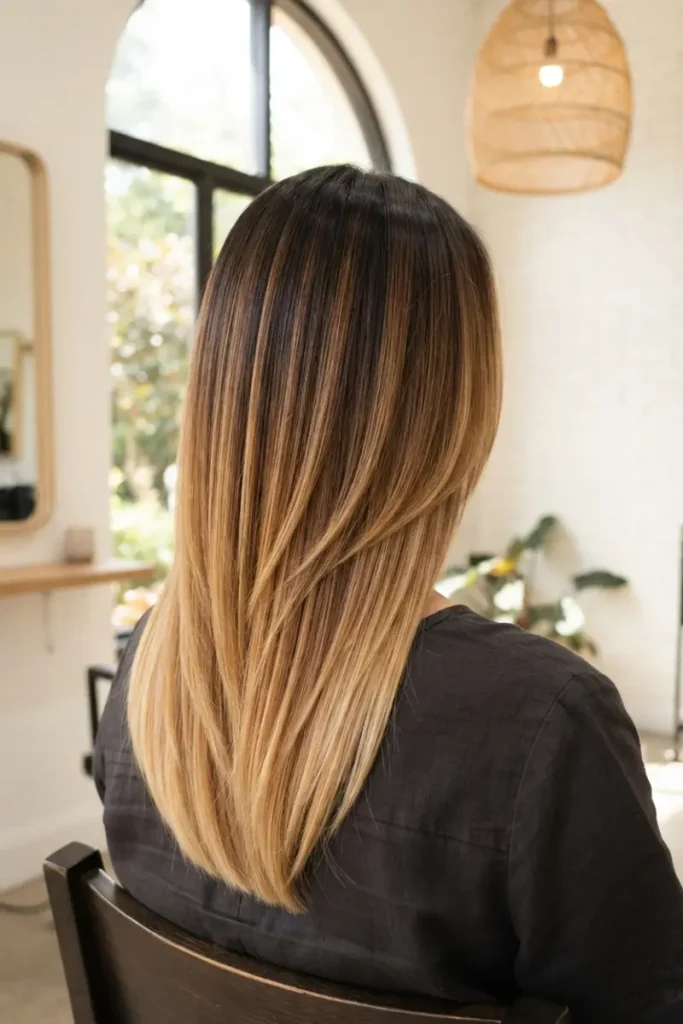
Ombré’s defining feature — a deliberate, visible shift from a darker root to a noticeably lighter end, often in cool ash or platinum tones — needs a specific kind of layering to avoid looking like an accidental regrowth line instead of an intentional style. This technique uses even, evenly spaced graduation between each layer rather than the more organic, varied spacing used in balayage-friendly cuts, since ombré’s cleaner color break benefits from an equally clean, symmetrical layer structure underneath it. Uneven or heavily textured layering under an ombré color tends to break the transition into visible blocks rather than one smooth shift.
11. Low-Maintenance Layering for Subtle Highlights
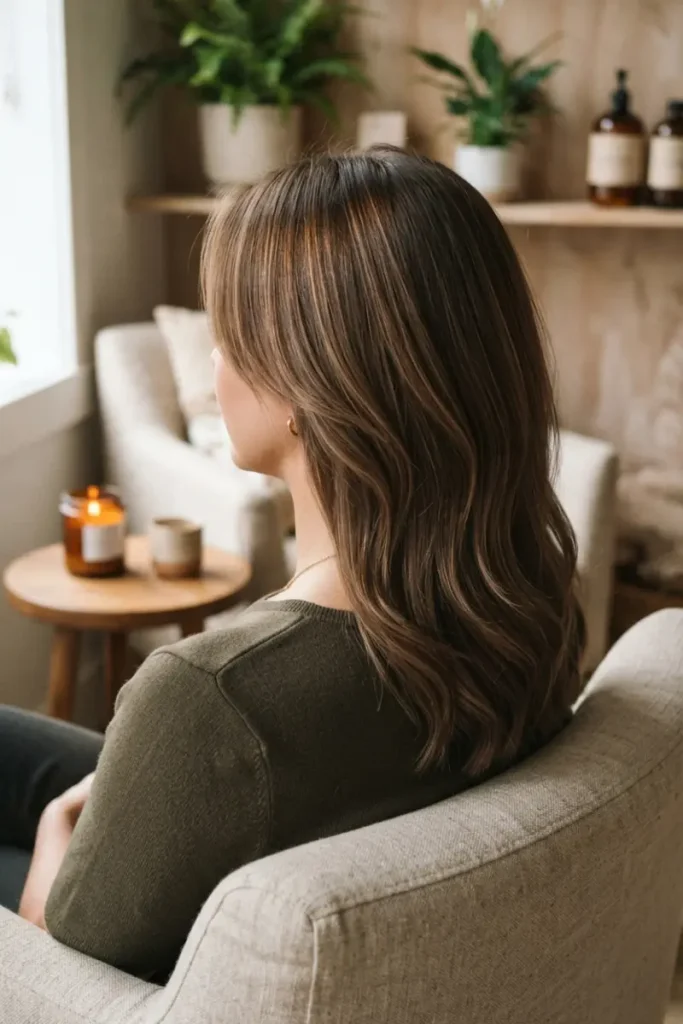
Not everyone wants a color and cut combination that demands a salon visit every six weeks, and this technique is built specifically around subtle, low-contrast highlights that are meant to grow out gracefully rather than show an obvious line. The layering itself uses longer, less frequent layer breaks than more dramatic techniques, which naturally hides regrowth and softens the transition between the highlighted and natural sections as the color grows out. This combination is chosen specifically for people who want the cut and color to still look intentional at three or four months, not just on the day they leave the salon.
12. Wispy Layers for Soft, Fine Hair Framing
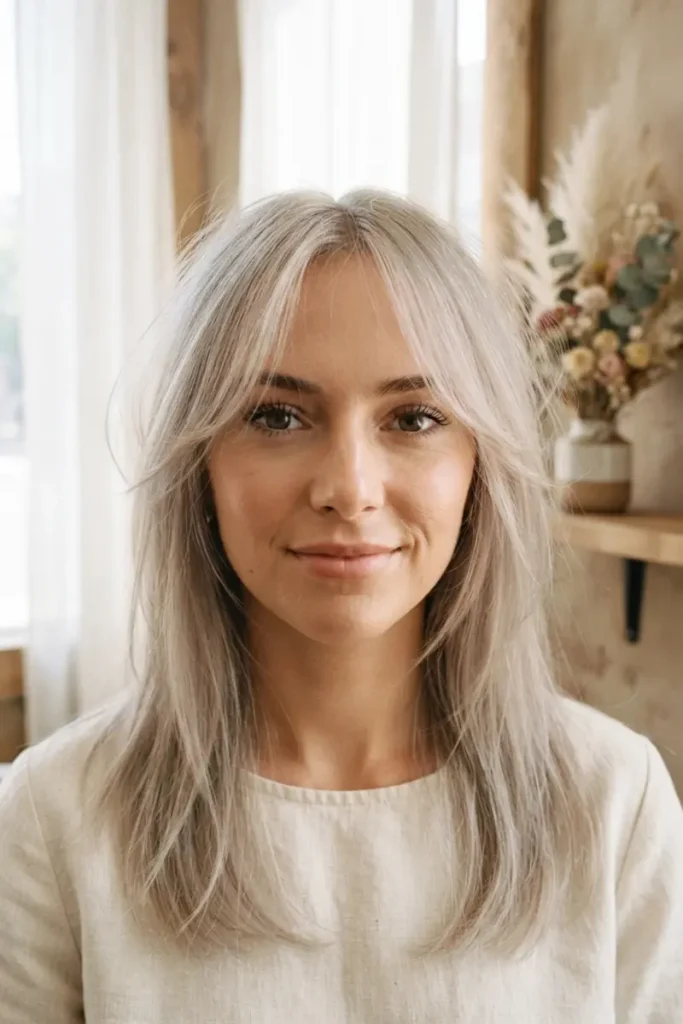
Fine hair around the face often can’t support the same weight of face-framing layer used on medium or thick hair without looking stringy rather than soft. Wispy layering uses very fine, feather-light pieces cut at the face rather than one or two thicker face-framing sections, distributing the framing across several delicate strands instead of concentrating it in a single heavier piece. This technique specifically avoids the single dramatic face-framing piece that works well on thicker hair, because on fine hair that same single piece tends to look isolated rather than blended.
13. Multi-Tiered Layers for Extra-Long Hair
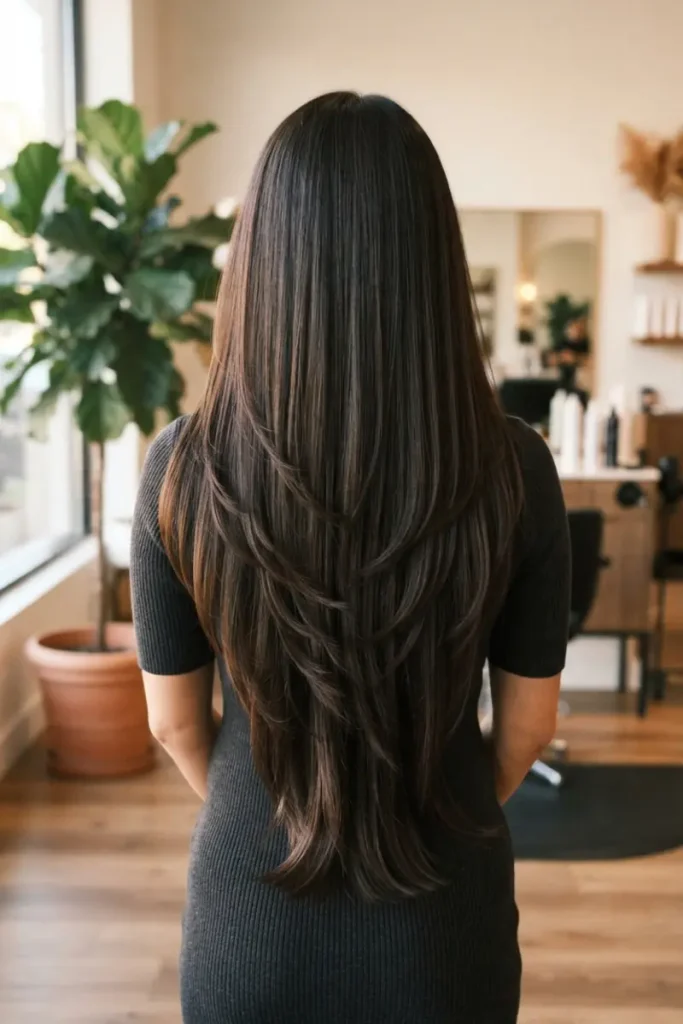
Extremely long hair carries enough length that a single layering pass often isn’t enough to prevent the ends from looking like one flat, heavy sheet, regardless of texture. This technique builds several distinct tiers of layers rather than one graduated pass, each tier doing a specific job — the top tier adding crown movement, a middle tier reducing bulk through the mid-lengths, and the bottom tier softening the very ends. The distinction from a standard long-layer cut is the number of deliberately separated levels, which becomes necessary specifically as length increases past a certain point where one layering pass can no longer manage the total volume of hair.
14. Tousled, Air-Dry-Friendly Layering
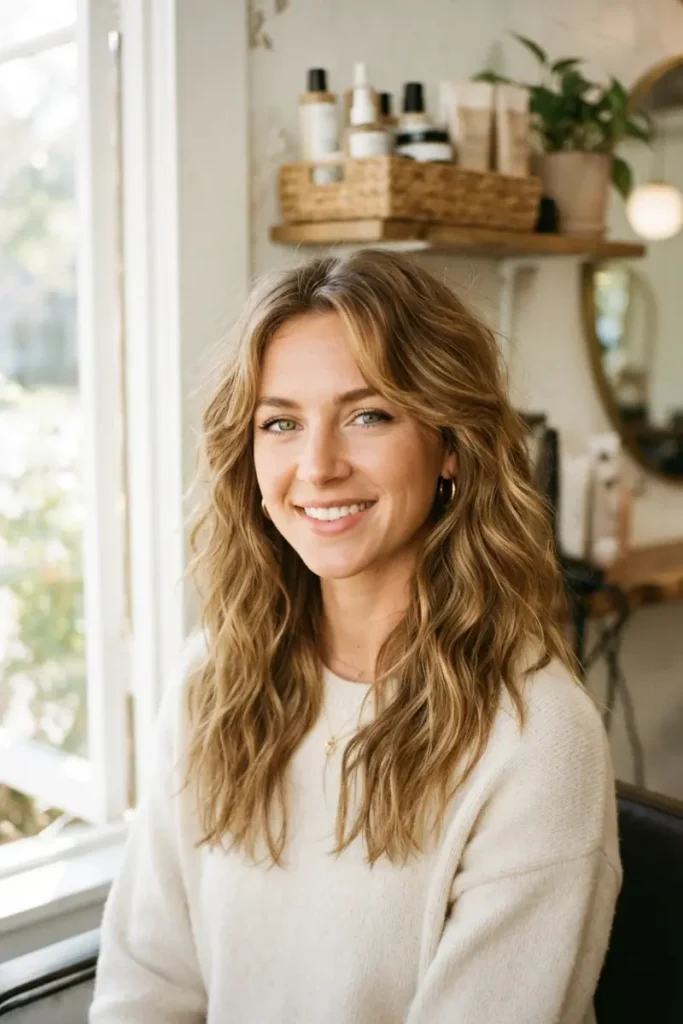
Some layering techniques only look finished after a blow-dry and a round brush; this one is cut specifically to look intentional straight out of an air-dry, for anyone unwilling or unable to commit daily styling time to their layers. The layers are cut with the hair’s natural drying pattern in mind — testing how each section falls once air-dried rather than cutting purely against wet, straight-pulled hair — so the finished shape already anticipates the texture the hair will naturally fall into. This is the technique to specifically ask for if your actual routine is wash-and-go, rather than requesting a cut built around styling tools you don’t plan to use.
15. Dimension-Preserving Layers for Cool, Platinum Tones
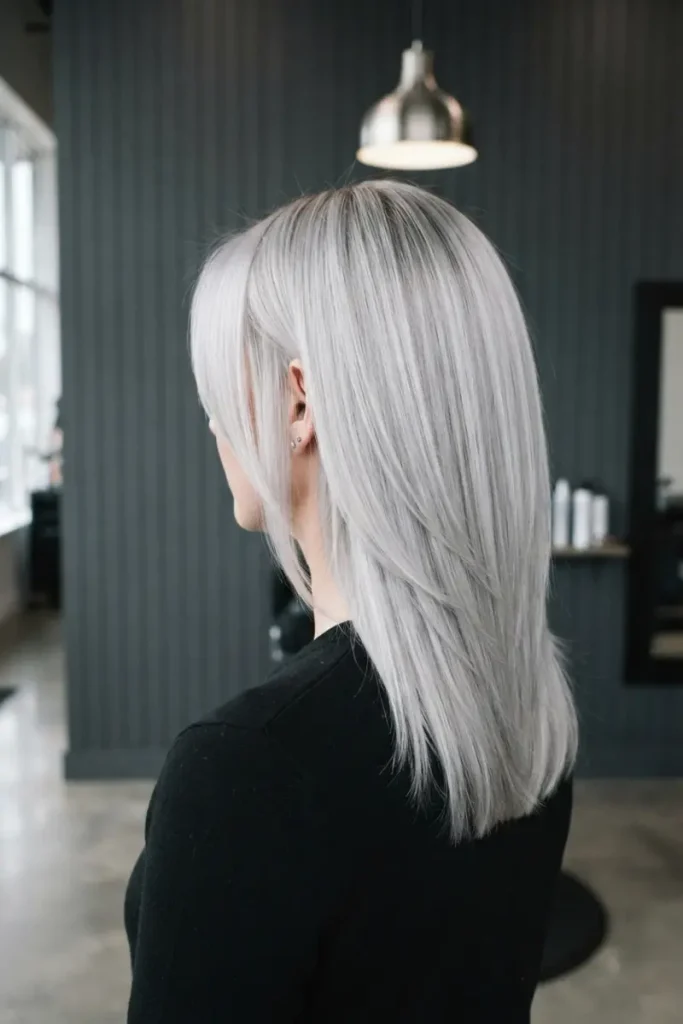
Cool-toned color — platinum, ash blonde, cool ash brown — has a specific problem that warmer tones don’t: without enough layering to catch and reflect light differently across sections, cool colors can look flat and one-dimensional rather than luminous. This technique uses layers cut at slightly varied lengths and angles specifically to create multiple light-catching planes across the head, which is what gives cool-toned color its shine and depth rather than a flat, uniform block of color. Warmer tones can often get away with less aggressive layering for the same dimensional effect, which is why this technique is specifically paired with cool color rather than used as a universal approach.
16. Shaggy Wolf-Cut Layers for Thick, Textured Hair
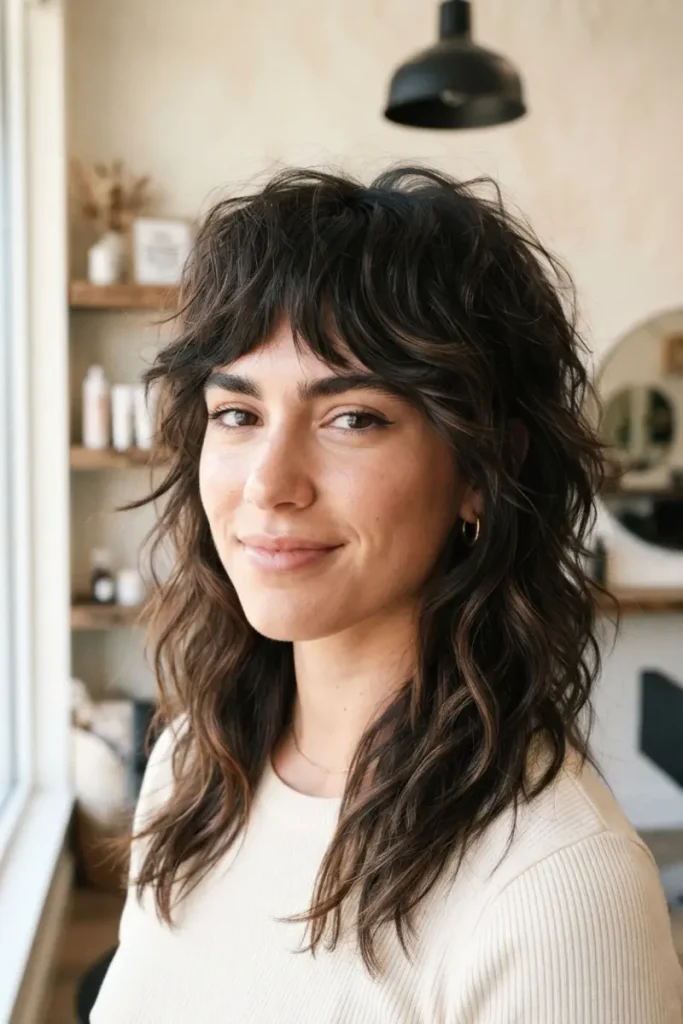
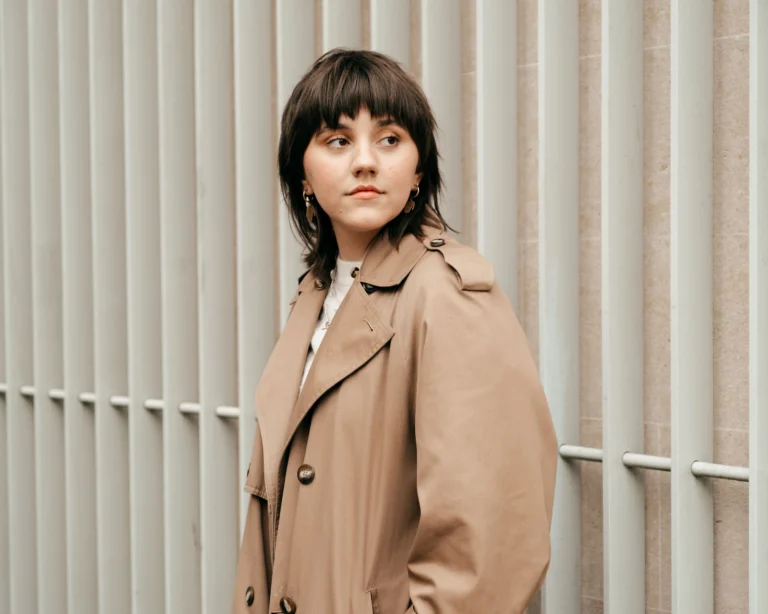
The wolf cut works by combining two things a single-technique cut can’t: heavy, face-framing volume up top and loose, choppy movement through the length — deliberately undone rather than polished. This requires aggressive, uneven layering cut close to the head at the crown, tapering out into longer shaggy pieces at the sides and back, so the silhouette reads voluminous and lived-in instead of neat. It works best on hair with natural body or texture, since fine, poker-straight hair won’t hold the shape without heat styling. Done wrong, the cut can look unintentionally patchy rather than deliberately textured — the layering has to be dense enough that the “undone” look reads as styled, not like regrowth. To see which version of the wolf cut suits your texture and face shape, our wolf cut hairstyles guide breaks it down style by style.
FAQ
Will layers work on my hair type, or are some techniques only for certain textures?
Most of the techniques above are built around a specific texture for a reason — a technique designed to add lift to fine, flat hair can create an unwanted shape on thick or curly hair, and vice versa. Rather than asking generally “will layers work,” it’s more useful to identify your actual texture and density first, then match it to the technique built for that problem.
How often do layered haircuts need to be trimmed to keep their shape?
This depends heavily on which technique was used — low-maintenance techniques built around subtle highlights and graceful growth can often go three to four months between trims, while more precise techniques like blended elevation or graduated ombré-ready layers tend to need a trim closer to every six to eight weeks to keep their exact shape.
Can I get layers and a color technique like balayage done at the same appointment?
Yes, and in fact the layering and color should ideally be planned together rather than as two separate decisions, since certain layering techniques are specifically built to let particular color techniques read properly. Ask your stylist to plan the cut with your intended color technique in mind, not just your intended length.
What’s the difference between face-framing layers and just getting layers in general?
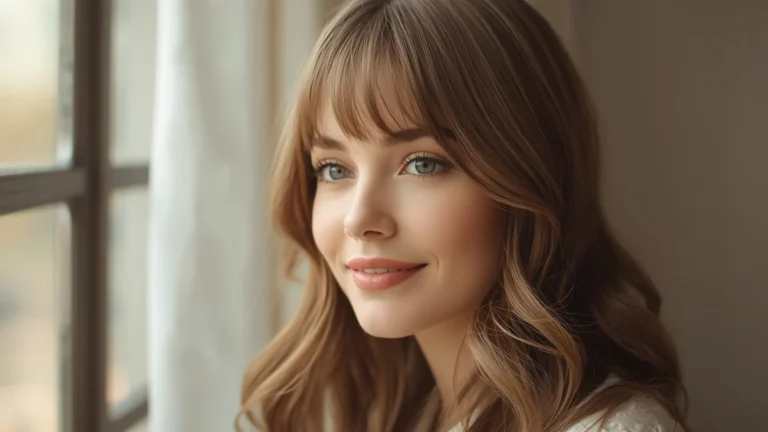
General layering affects the whole head and how the hair moves as a whole, while face-framing layers are a targeted addition specifically around the face, cut and angled based on face shape to either elongate, soften, or balance specific features. You can have one without the other, though many long-layer techniques include some face-framing as part of the overall cut. Curtain bangs are the softest way to start that frame, and our guide to curtain bangs shows how they blend into long layers.
I don’t want to style my hair every day — which technique should I ask for?
Look specifically for a technique built around air-dry results, like the tousled, air-dry-friendly layering described above, or a low-maintenance technique paired with subtle highlights. Avoid techniques that rely on precise symmetry or a glossy, sleek finish, since those specifically require daily styling tools to look intentional rather than undone.
Closing
A layered haircut isn’t really a single decision about a color or a mood you liked in a photo — it’s a decision about which structural problem your specific hair actually has, made before a single section is cut. If your hair is on the thicker or heavier side, the Feathered Ends and Multi-Tiered Layers sections above are worth reading closely. If you’re planning a color change alongside your cut, revisit the sections on balayage-ready and ombré-ready layering before your next appointment, since the two decisions work best made together, not separately.